From UFV to the United Nations: Tavia and Ava’s Journey to the 2026 UN Peace Summit

From UFV to the United Nations: Tavia and Ava’s Journey to the 2026 UN Peace Summit

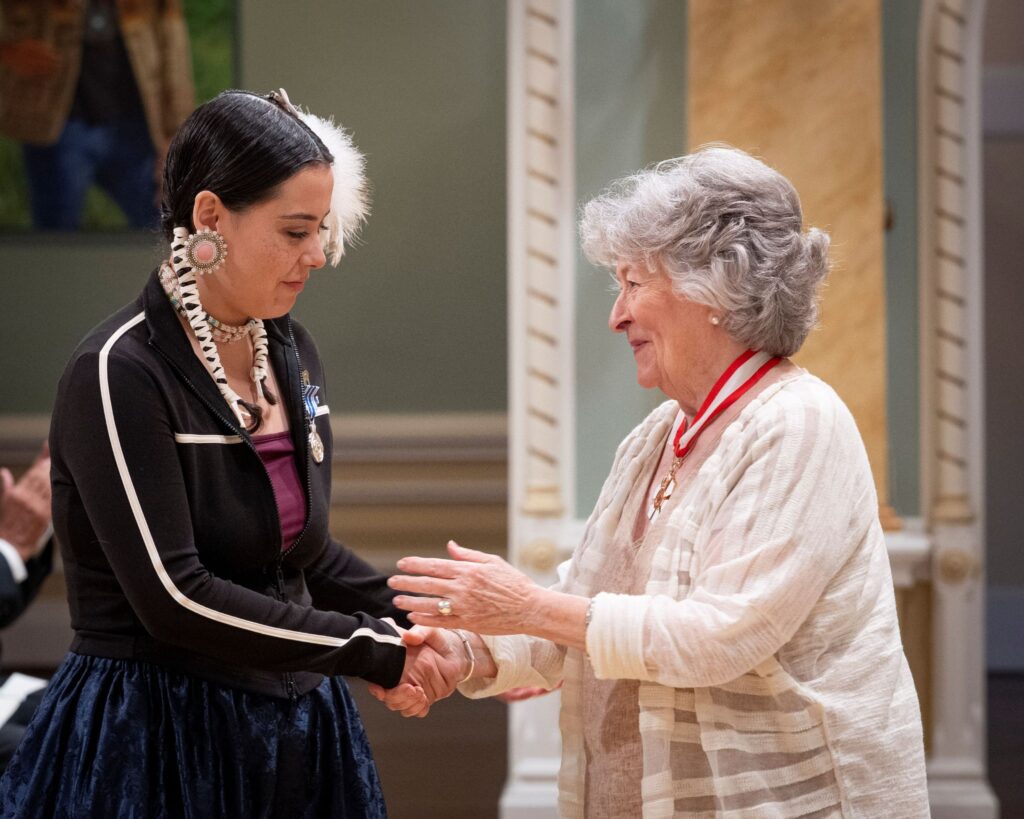
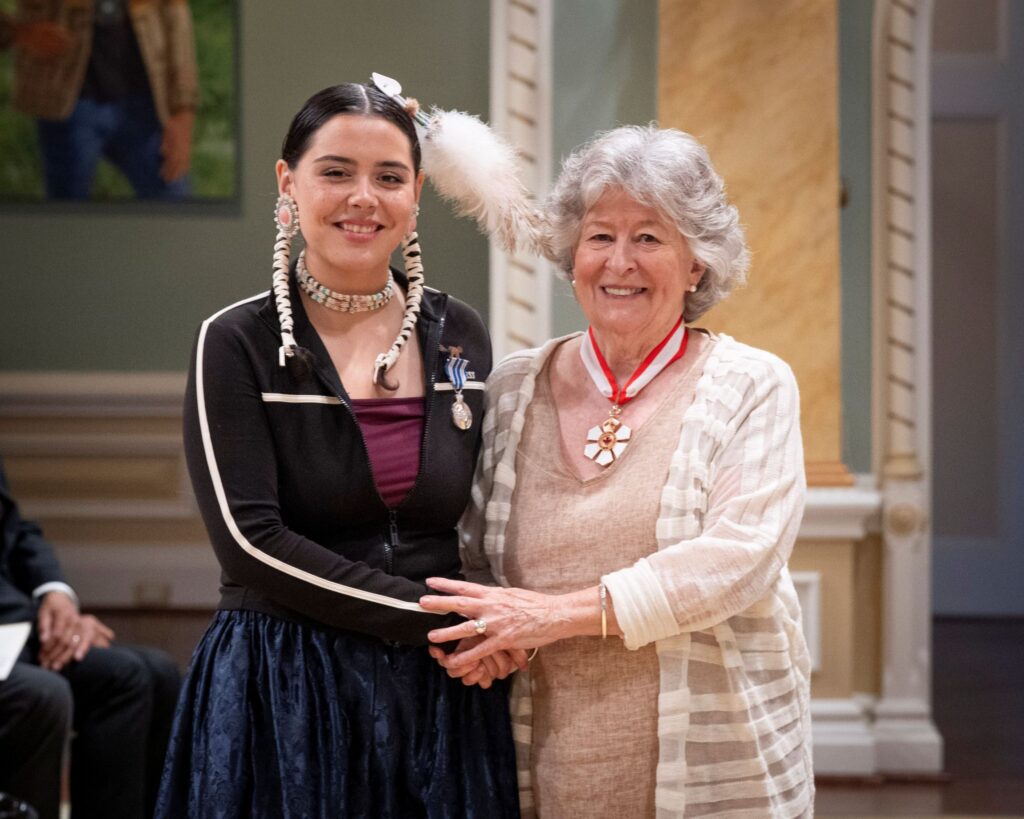
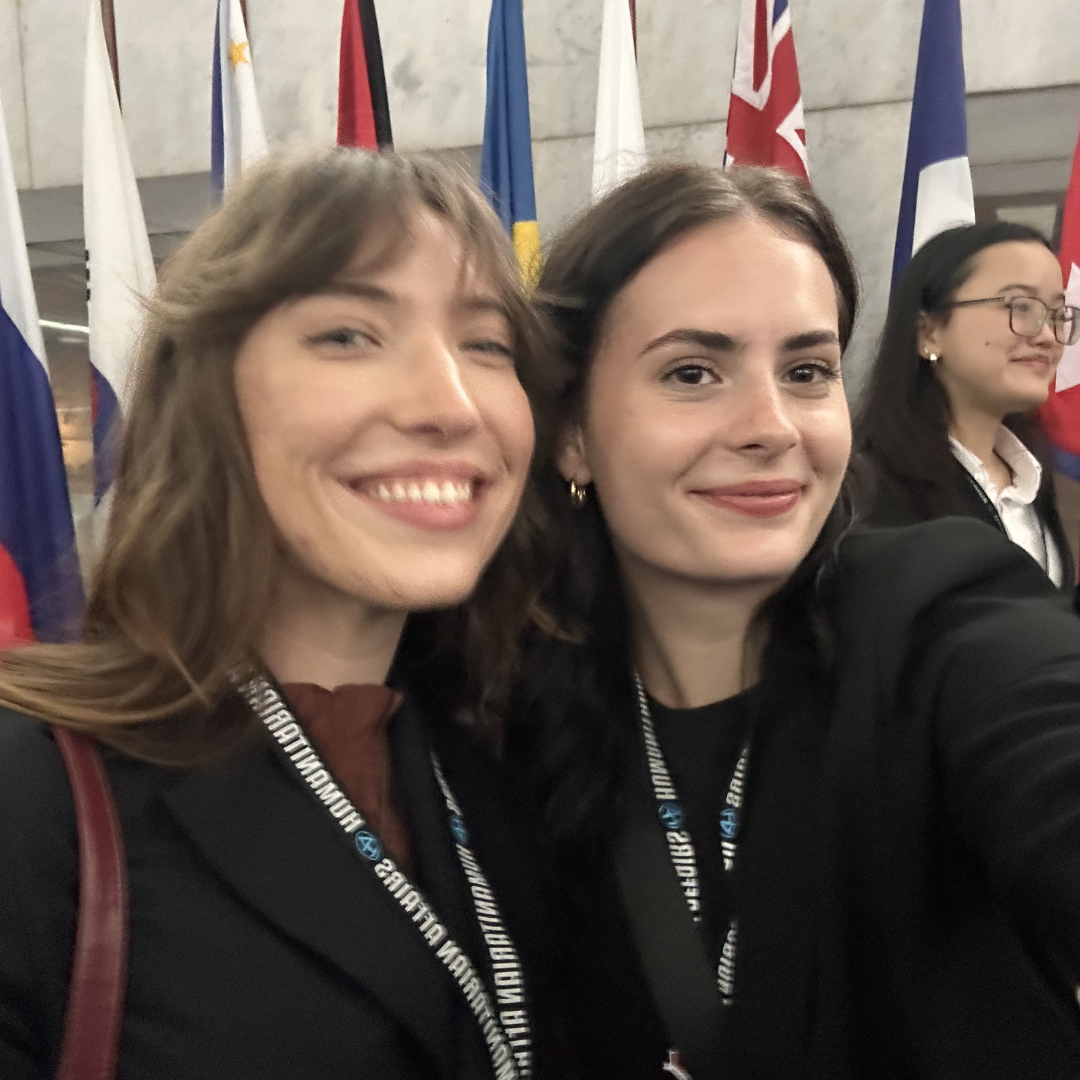
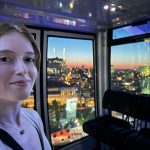
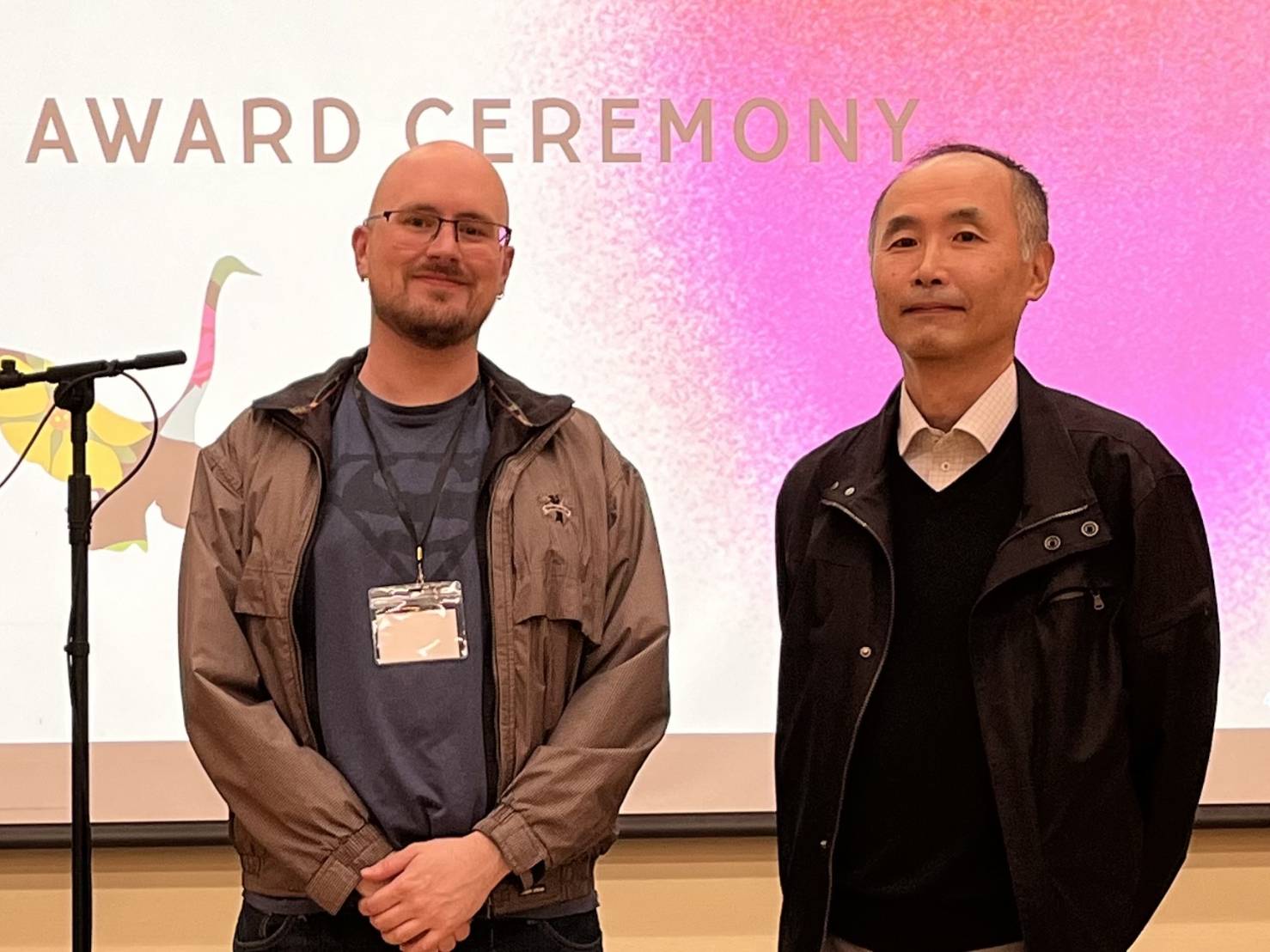
This year, two UFV College of Arts students, Tavia Jasper and Ava Wagner, stepped onto the international stage at the 2026 UN Peace Summit in Bangkok — representing not only UFV, but also the power of student leadership, resilience, and purpose-driven education.

For both students, attending the summit was a remarkable milestone. For Ava, it was an opportunity to deepen her experience as a Global Development Studies major. For Tavia, a Peace and Conflict Studies major, the experience represented something even deeper: the culmination of years spent transforming personal adversity, intellectual curiosity, and a passion for justice into meaningful global engagement.
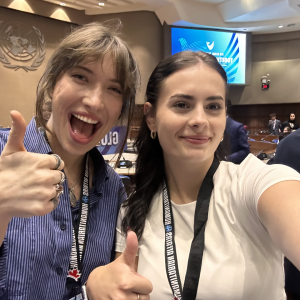
We sat down with Tavia to chat about her experience at the UN Peace Summit.

“Change does not begin with policy alone. It begins with trust. Relationships come before tasks. Institutions that lack relational integrity eventually collapse, just as ecosystems without feedback mechanisms destabilize. Trust is the precondition for any meaningful change. Living systems; ecosystems, organisms, networks, that have been refining principles of trust for billions of years. Boundaries, feedback loops, reciprocity, willingness, these are not abstract moral ideals. They are biological survival strategies.”, reflects Tavia.

From homeschooling and early lessons in empathy to navigating multiple majors, personal hardship, and eventually finding her place within UFV’s interdisciplinary Peace and Conflict Studies program, Tavia’s path reflects determination shaped by complexity. That journey led her — alongside Ava — to one of the world’s most important youth peacebuilding forums.

“It was surreal. Walking into the United Nations Conference Centre, everyone in their formal attire, sitting among delegates from across the globe, I felt both humbled and energized. You are so different from everyone, yet you all share somewhat of a common thread when it comes to peacebuilding and, if you don’t share this thread, it honestly makes for even better dialog. I was grateful everyone was really open to discussion.”

At the summit, Tavia and Ava engaged with global leaders, survivors of atrocity, peacebuilders, and fellow delegates from around the world. What they encountered was not abstract diplomacy, but the urgent human reality behind conflict and reconciliation.

“Peace was not theoretical, it was urgent and deeply human”, says Tavia.

Together, Tavia and Ava’s participation highlighted how UFV students are increasingly contributing to global conversations around peace, governance, and sustainability. Their presence demonstrated the university’s growing role in preparing students not just for careers, but for civic and international leadership.
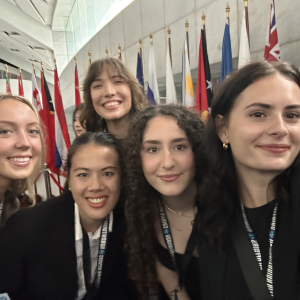
As Tavia described “Representing UFV in that space reminded me that education is not just preparation for employment. It’s preparation for participation. […] This experience didn’t change my direction — it sharpened it.”

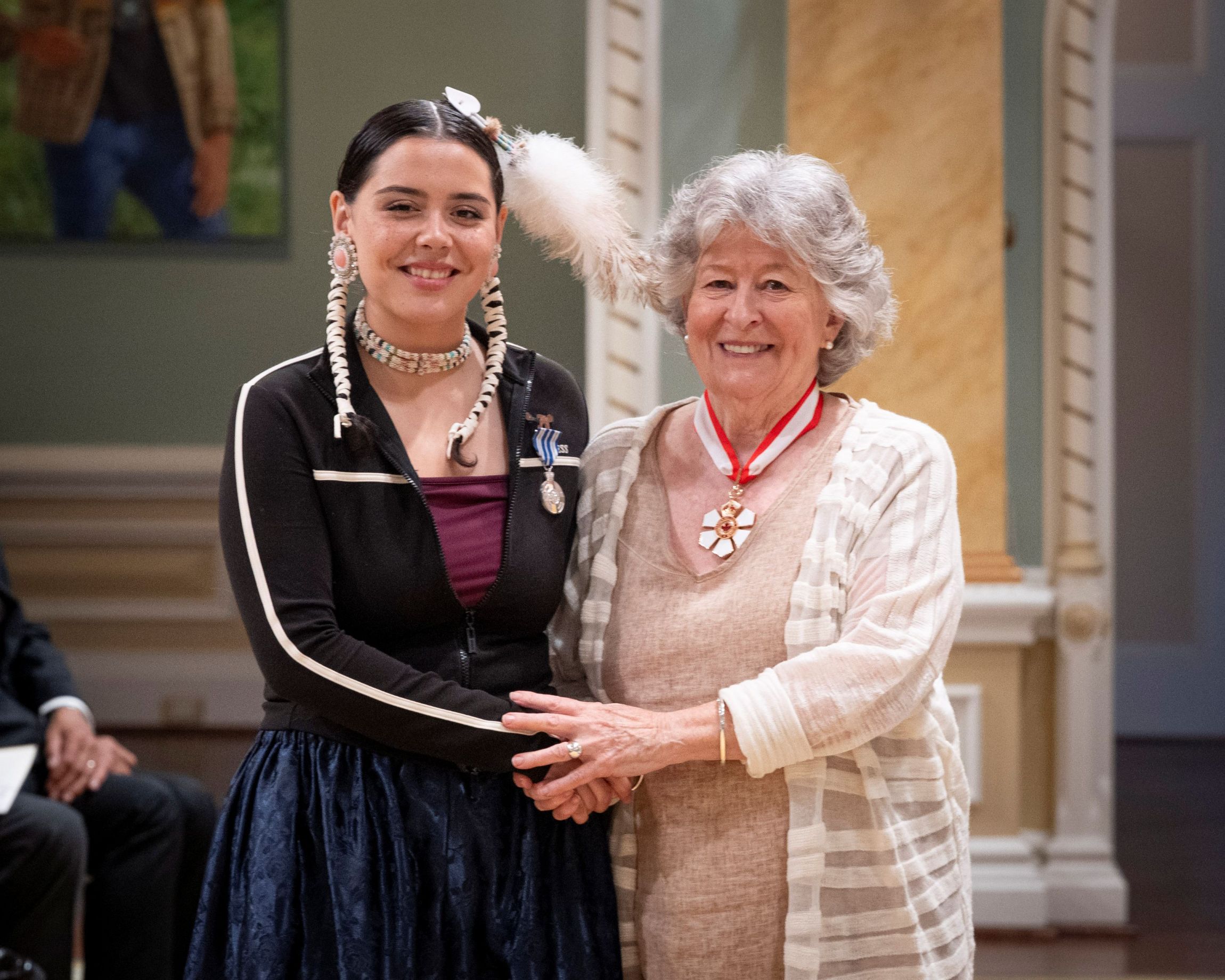
Now, both students hold appointments as a Humanitarian Affairs Peace Ambassador for a one-year term — a recognition of both their potential and commitment to systemic change.

“Being a Peace Ambassador means ensuring that peace is not performative. It means asking difficult questions about power redistribution, representation, and sustainability.”

As Tavia’s reflections make clear, peacebuilding must move beyond symbolic gestures and into institutional courage, structural accountability, and sustained action. “Peace is prevention. Prevention requires courage.” – Tavia.

Their photos captured moments from this extraordinary experience, but the shared story of these two students is one of ambition, representation, and transformation. Together, they exemplify what happens when students bring classroom learning into global arenas — carrying local values into international dialogue.
Their story especially underscores the value of UFV’s educational framework: teaching students how to think critically, engage ethically, and lead courageously in a rapidly changing world.

“This preparation gave me confidence. Not because I had all the answers, but because I had the tools to ask better questions.”, says Tavia.

As Tavia and Ava return from Bangkok, their journey stands as a success story not only for themselves, but for the broader UFV community — proof that global impact can begin with local education, resilience, and the willingness to step beyond comfort.

The road from UFV to the United Nations begins with one step, one question, and one commitment to building a better world.

Finding a Voice Across Languages: Cody Woelders and the Power of Multilingual Connection

Finding a Voice Across Languages: Cody Woelders and the Power of Multilingual Connection

On March 7th, 2026, at the Asian Centre at UBC, a room filled with language learners, judges, and quiet anticipation. Among the tension, Cody Woelders, a French major student at UFV, stepped onto the stage to deliver a speech in Japanese — entirely from memory. Moments later, he walked away with second place in the University–Intermediate category at the 38th BC Japanese Speech Contest.

But for Cody, the achievement wasn’t just about a ranking or a trophy. It was about something much deeper: language, identity, and what it truly means to belong in Canada.

A Return to Education with Purpose

As a returning adult learner at UFV, he is pursuing a French major alongside a TESL (Teaching English as a Second Language) proficiency certificate—and he is aiming for a Japanese language certificate as well. Outside of his coursework, he actively tutors students and has gained hands-on experience helping newly arrived Canadians learn English.

His path into linguistics is a bit unconventional. While he is now fully immersed in the world of languages, it wasn’t French that started it all. It was actually Japanese, first encountered in high school, that sparked his lifelong curiosity about how language shapes the way we think and understand the world.


Building a Message

Cody didn’t originally set out to compete in the BC Japanese Speech Contest; he only applied because his instructor suggested it as a way to earn some extra credit. When he found out he had been selected, the experience shifted from a small academic opportunity into a true personal challenge.

His speech, “The Heartfelt Welcome of Canadians” (カナダ人の心からの歓迎), was actually inspired by an unexpected source: a French class on colonial history. After studying the Négritude movement and thinkers like Aimé Césaire, Cody began connecting those concepts of identity to Canada’s multicultural reality. His TESL practicum, where he worked closely with newcomers, solidified this perspective. “All of it made me realize Canada is truly the one country where you are welcomed to bring your old culture with you,” Cody says.


Nerves, Resilience, and a Little Humor

Preparing for the competition was intense. Cody spent a month writing, and then weeks practicing — reciting lines while driving or doing chores until the entire speech was committed to memory.

The hardest part, however, wasn’t the grammar or vocabulary — it was the nerves. “The panic leading up to the presentation? That requires self-management skills, and those are complicated.” In fact, the stress caught up to him in a hilariously unexpected way: while rehearsing at a barber shop the day before the competition, he briefly passed out. “Apologies to that barber. It all worked out,” he adds with a laugh.

Once he finally stepped onto the stage, the practice kicked in and the performance felt natural. When he was announced as the second-place winner, his first reaction was immediate relief. He jokes that while he would have gone to the national competition if he had won first place, he is “secretly relieved, lol” not to have to go through the pressure again.


A Lens into Human Cognition

For Cody, studying at UFV is about more than just checking off academic boxes; it is about “cross-linguistic synthesis”—exploring how different languages encode meaning and what they reveal about human cognition.

Even in an age of AI and instant translation, Cody is passionate about the necessity of language programs. He argues that understanding how language works — and the nuance that comes with it — is becoming more important than ever in our globally connected world.

Ultimately, Cody’s journey is a story of growth. It’s about returning to education with purpose and discovering that when you learn a language, you aren’t just memorizing words — you are connecting people. It becomes personal.

UFV community art unveiling at Gaudin Creek Trail

UFV community art unveiling at Gaudin Creek Trail

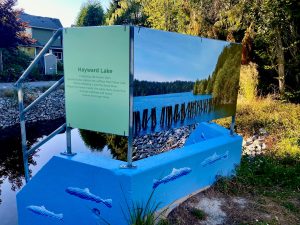
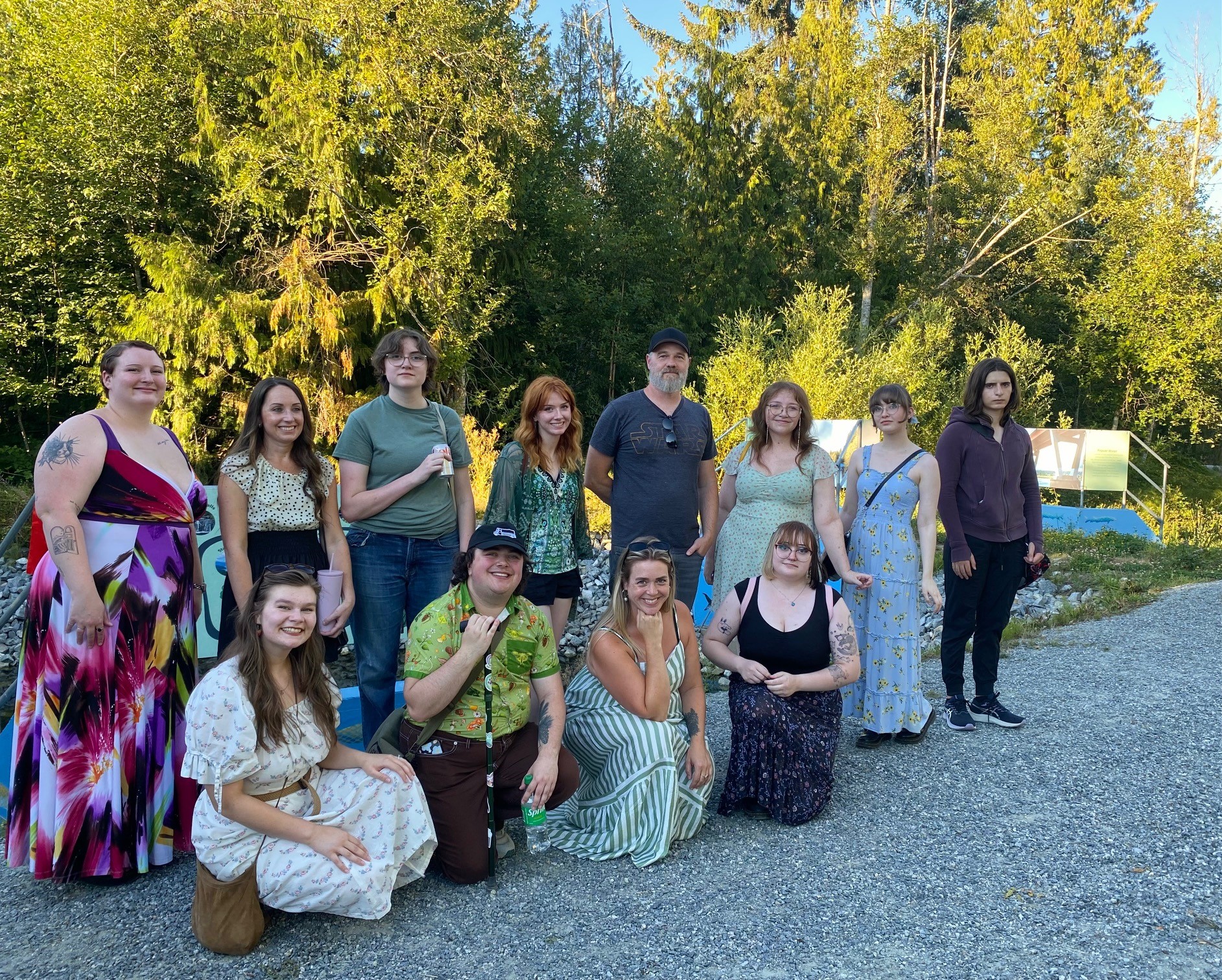
On August 11, 2025, UFV celebrated the unveiling of the Community Art Project at the Gaudin Creek Trail — a vibrant display of creativity where UFV students beautified a water catchment area.
This initiative was part of the Public Art course at UFV, made possible through a valued partnership with the City of Mission, who generously funded $10,000 for supplies and expenses.

Over 13 transformative weeks, 25 students — with varying skill levels — worked in five creative teams. With complete freedom to explore their ideas, they navigated every stage of a public art project, from concept design to installation, gaining invaluable real-world skills and expanding their understanding of opportunities in public art.

Professor Chris Friesen, who led this project, shared his pride in the students’ achievement:

“This experience really broadened the students’ understanding of what’s possible in public art — from vision to execution, they embraced the challenge and created something that will inspire the community for years to come.”

This milestone not only celebrates artistic expression but also expands students’ perspectives on the possibilities within the world of public art.


116 ways to say Hello: Stephanie’s passion for the language of belonging

Stephanie Ohlmann's picture

116 ways to say Hello: Stephanie’s passion for the language of belonging

Stephanie Ohlmann's pictureAbbotsford is a diverse place, shaped by many cultures, nationalities, and backgrounds. But how often do we pause to truly recognize just how diverse this city is? Would it surprise you to learn that over 116 different languages are spoken in Abbotsford today?
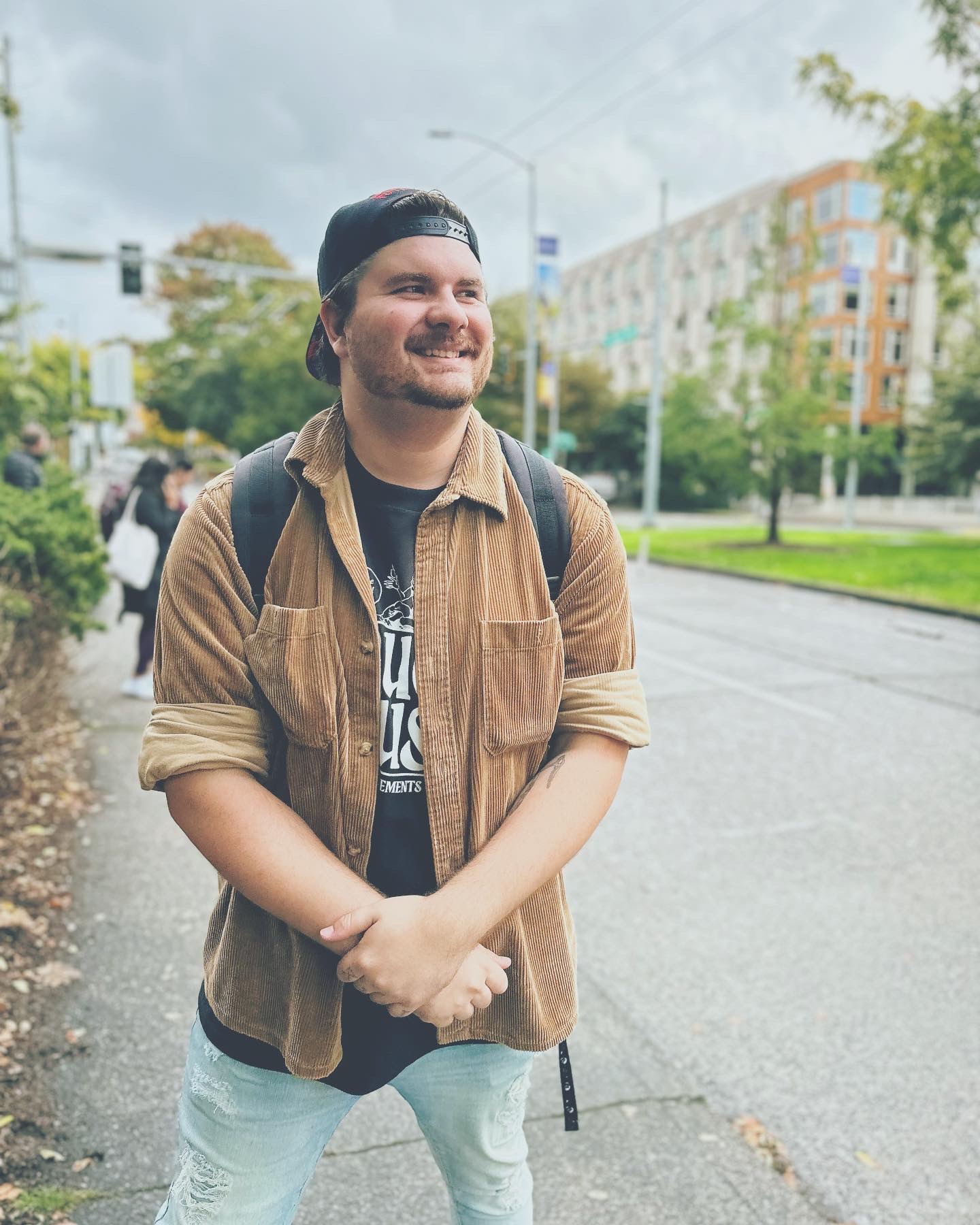
For Stephanie Ohlmann, a UFV student, that surprising fact became the heart of a journey she never imagined.

Stephanie is no stranger to hard work. As an Educational Assistant for over a decade, she has supported students with diverse learning needs while pursuing not just one but two degrees and a certificate at UFV — a Bachelor of Arts in English, an Indigenous Studies Certificate, and a Bachelor of Integrated Studies focusing on Justice, Equity, Diversity, Inclusion (JEDI), and Multiculturalism.

After beginning her university journey years ago, Stephanie stepped away to focus on working directly with children and families. But when life presented a crossroads, she made a courageous choice: to return to UFV and finish what she started. Not only that, but she expanded her academic ambitions to address the gaps she saw — particularly around Indigenous knowledge and multicultural education.

And then came the project that changed everything.

From class assignment to community engagement

Stephanie’s passion project, “It Starts With Hello”, was born from a children’s literature assignment in an English class on Diversity and Accessibility. The task: find a way to make a children’s story more inclusive and accessible. Drawing from her experiences with students, Stephanie decided to explore the simple power of greeting someone in their own language.

She began by asking: How many languages are actually spoken in Abbotsford? What she uncovered blew her away — not 20, not 50, but 116 languages. This discovery sparked a mission: to learn how to say “hello” in every single one.

Her work evolved quickly. From recording multilingual greetings on interactive buttons for a class display to securing a UFV Student Research Grant, Stephanie’s project took on a life of its own. She became a City of Abbotsford Ambassador, presented to the Community Belonging Collaborative Abbotsford (CBCA), and even launched dedicated social media platforms to share her journey. But Stephanie didn’t stop there.

A Book to celebrate every child’s voice

Recognizing how few children’s books reflect the rich cultural and linguistic diversity of her community, Stephanie set out to create her own. Her soon-to-be-published children’s book, “Hello Abbotsford”, will introduce young readers to the many ways people greet one another across cultures.

“Every child deserves to feel seen, valued, and celebrated,” Stephanie says. “When we learn to say hello in someone’s home language, it’s more than a word — it’s an act of recognition and inclusion.”

With the support of UFV faculty like Dr. Michelle Superle and advisors like Dr. Wade Deisman, Associate Dean of Social Sciences at UFV, Stephanie is turning her research into a powerful educational tool — one that she hopes will foster empathy, belonging, and intercultural understanding among the next generation.

At its heart, Stephanie’s work is about more than just words. It’s about reshaping how we understand belonging.

“We all deserve to be welcomed as we are,” she explains. “So many people feel they have to change parts of themselves — even their names — to fit in. I want to help change that. I want people to feel proud of their languages, cultures, and identities.”

By bringing awareness to the diversity that already exists within Abbotsford, Stephanie hopes to spark a broader community conversation — one that starts, simply, with hello.

As she looks ahead to graduating with her BA and Indigenous Studies Certificate in 2026 and completing her BIS by 2028, Stephanie knows her journey is far from over. Whether in classrooms, community events, or the pages of her children’s book, she continues to remind us that inclusion, respect, and celebration begin with the smallest of gestures. It also could start with “hello”.

From an English Major to a Curatorial Practicum: Kellyn Leclerc’s launch into uncharted territory

Kellyn picture -credits for Skylar Janzen

From an English Major to a Curatorial Practicum: Kellyn Leclerc’s launch into uncharted territory

Kellyn picture -credits for Skylar Janzen
credits: Skylar Janzen

When we think of curators, we often imagine individuals with backgrounds in Visual Arts or Art History, meticulously assembling exhibitions with years of specialized training. But what happens when a storyteller, a writer with a passion for community engagement, steps into the role?

Meet Kellyn Leclerc, a Bachelor of Arts student whose love for storytelling carved an unexpected path into curation. Kellyn’s journey twisted with the unpredictability of a well-spun tale, leading him to The Reach Gallery, where he transformed words into visual narratives and sparked conversations through art.

From a young age, Kellyn was drawn to the art of storytelling. While initially planning to pursue Social Work, he found himself captivated by the world of literature, eventually transitioning into full-time English studies.

Taking a leap into the unknown

Despite not having a background in Visual Arts, Kellyn saw an open position for UFV’s student curatorial role at The Reach Gallery. This is a competitive eight-month internship that is typically offered to UFV’s BFA and VA students.  Instead of doubting his qualifications, he took a leap of faith:

“When I first got the email invitation to apply for the position, it was one of those moments in my life where I figured, why not? I don’t have a background in Visual Art or Art History, but I do have a passion for community engagement and discussion.”

What Kellyn discovered was that curation wasn’t just about art—it was about storytelling. His experiences in Social Work courses and his time as a concert promoter in the local punk music scene helped shape his ability to organize events with a strong thematic narrative.

“As a curator, it’s critically important to have a nuanced understanding of the type of community you’re working in, and how the works you select for presentation might connect to said environment. Years ago, when I organized all-ages punk shows, I thought not just about the bands, but about how their identities created a larger story through the night. That same mindset helped me as a curator, crafting a visual art experience that could inspire meaningful, reflective discussion.”

After months of preparation, Kellyn’s curated exhibition debuted at The Reach Gallery. It was a night to remember for the audience and for all those who had taken a chance on him.

“What I witnessed during the intro to the exhibit you curated at The Reach was nothing short of magical. You were so in tune with the artist’s work and intentions. It has been a pleasure to watch you tap into your creative passions and talents over the past year. Despite any personal obstacles, you have only demonstrated resilience and professionalism—without compromising who you are.” – Tamara Courage, Arts External Liaison Coordinator at UFV – College of Arts.

“When I was a child, my family was told I might not graduate high school due to my diagnosed learning disability. So, now it feels incredibly surreal to be this far into my degree.”

Looking to the future

So, what’s next for Kellyn?

He is currently weaving his first horror novel into existence: a Lynchian-inspired ghost story set at an evangelical Christian summer camp. Writing remains his deepest passion, but his love for community arts continues to grow, shaping a future where storytelling extends beyond the page and into the heart of the world around him.

When asked what advice he would give to students considering a practicum, Kellyn doesn’t hold back:

“How do you expect to find a job post-graduation if you haven’t built a network of contacts or a portfolio of real-world experience? Do you think you’ll just be handed a degree and land a job instantly? Practicums are the key to unlocking doors—they let you prove your skills to the very people who can shape your future.”

For those considering English as a major, Kellyn’s advice is just as bold:

“Keep an open mind. Say yes to opportunities—even when they seem outside your comfort zone. An English degree isn’t a limitation; it’s a launching pad. Whether you go into journalism, publishing, editing, community programming, or teaching, the only limit is how wide you’re willing to open the door.”

Kellyn’s journey—from horror writer to gallery curator—proves that storytelling isn’t confined to books. It lives in art, music, conversation, and the spaces between words, shaping the world in ways we least expect. Whether through literature or curating, his ability to craft meaningful narratives has opened doors that once seemed out of reach.

And sometimes, the biggest opportunities come from simply asking yourself: ‘Why not?’

A journey of passion, persistence, and creativity

A journey of passion, persistence, and creativity

In the halls of UFV’s School of Creative Arts, where passion and creativity thrive, Hannah Bricknell, a first-year Bachelor of Media Arts student, is carving her own artistic path. Since childhood, art has been more than just a passion—it has been a way of making sense of the world. Drawing since the age of five, Hannah found that art provided both a sense of calm and a means of communication, especially as she navigated the challenges of a learning disability that affected her verbal expression.

“Over time, drawing became the best way for me to communicate my ideas and thoughts,” she shares.

Now, as she steps into the next phase of her journey, UFV’s Bachelor of Media Arts program is providing the space for her to refine her skills, explore new mediums, and discover where her artistic talents can take her. At UFV, she can experiment with different creative disciplines before deciding on a specific career path. Also, she is excited to apply for a co-op program, which provides hands-on experience, helping students explore professional opportunities related to their studies. But Hannah already knows her superpower: “Creativity and imagination are probably the most important skills to keep. They’re key in critical problem-solving.”

An artist getting ready to shine.

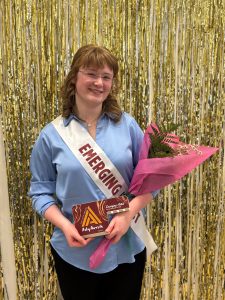
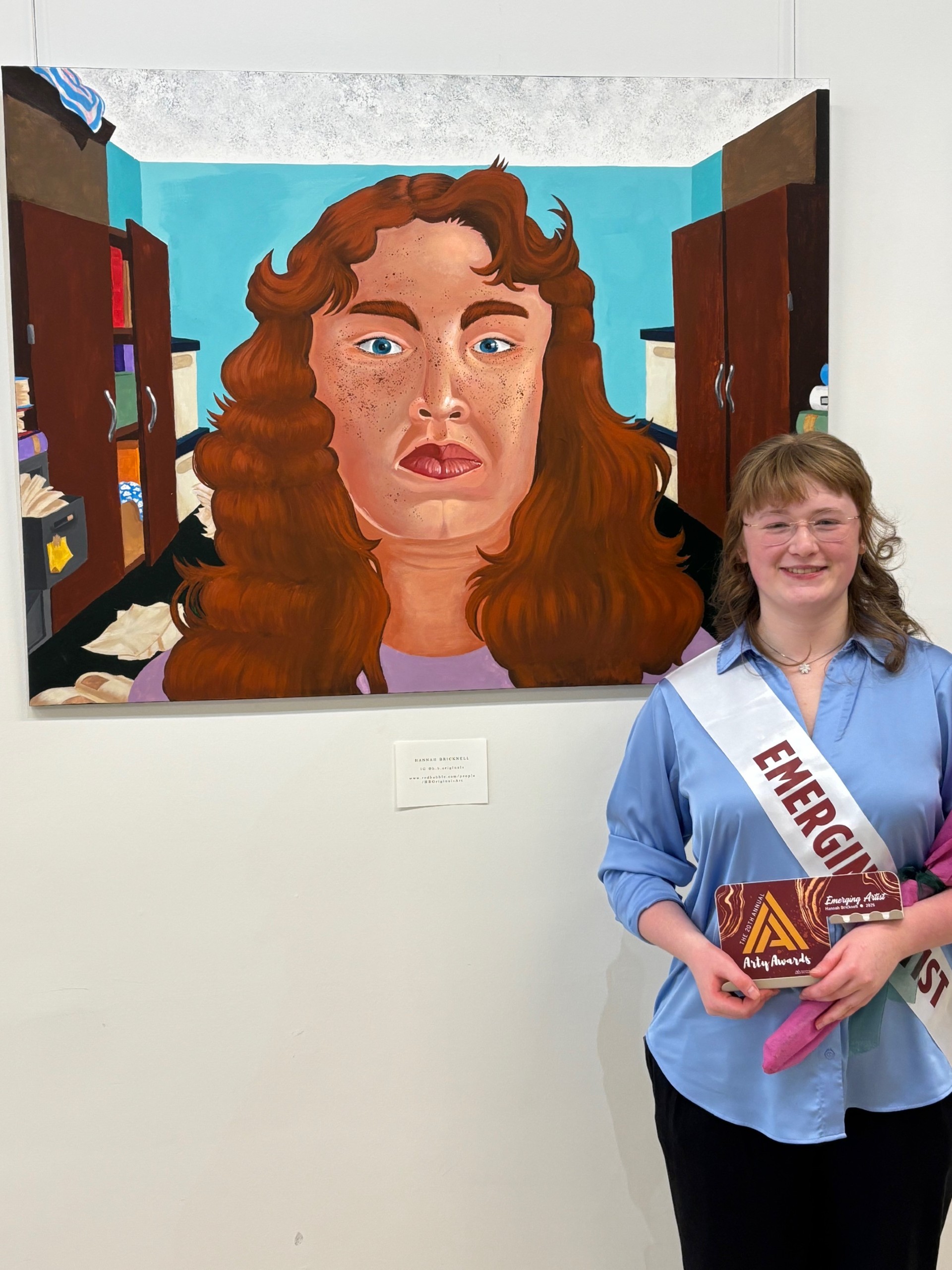
In January 2025, Hannah received formal recognition for her art for the first time when she won the Emerging Artist Award at the 20th Annual Arty Awards, organized by the Abbotsford Arts Council. It was a moment that reinforced her belief in her work and solidified her confidence as an artist.

The pieces that she exhibited reflected her artistic journey and individual experiences. One of her most meaningful works is a painting titled “How I Process”, which is about her learning disability, using an analogy she often shares with others.

“On one side, there’s a messy room, symbolizing my brain. On the other side, there’s a tidy room, representing how other people’s brains work.”

Through her art, Hannah translates personal challenges into visual storytelling, offering a perspective that is both intimate and universal.

Recently, she was given the opportunity to contribute to an anthology comic, collaborating with experienced comic artists—some of whom previously helped her create her first comic book – a project she created during Grade 11 called “Two Faces”.

As she continues to grow as an artist, her story serves as an inspiration to those forging their own creative paths. Hannah Bricknell’s journey is just beginning—but with her talent, dedication, and ever-evolving skills, the possibilities ahead are limitless.

Roots of Knowledge: Stories That Shape Our Learning

Roots of Knowledge: Stories That Shape Our Learning

In the heart of our university, where stories of heritage and identity intertwine, a program stands out for its deep impact on students and the broader community. The Power and Place program is more than an academic pursuit—it’s a journey of discovery and reconciliation. Today, we spotlight Meghan Hilton, one of our remarkable students whose experience in this program has been nothing short of transformative.

“I was motivated to enrol in the Power and Place program as I am a Metis student studying Indigenous Studies,” shares Meghan, currently in her final year pursuing a Bachelor of Arts degree at UFV. The decision to join the program stemmed from a desire for an immersive, hands-on learning experience that would deepen her understanding of Indigenous studies.

As she recounts her journey, the passion and dedication to her studies are evident. When asked about a specific moment or lesson that deeply resonated with her, Meghan finds it challenging to pinpoint just one.

“It is challenging to pinpoint a single moment or lesson from the Power and Place program that resonated with me the most, as each class and lesson contributed uniquely and significantly to my understanding of Indigenous studies and Stó:lō history. Each lesson resonates differently with everyone, while providing support and guidance on how to apply this knowledge in meaningful ways in the world around us.”

When asked about the impacts of the Power and Place program and how she felt empowered to contribute to genuine reconciliation between Indigenous and settler communities, Meghan says:

“The Power and Place program has given me the tools I need to positively contribute to reconciliation efforts between Indigenous and settler communities. Through this program, I have gained a deep and complex understanding of Canadian Indigenous peoples’ history, cultures, and worldviews. Thanks to the intensive program structure I feel more prepared to advocate for Indigenous peoples’ rights and facilitate respectful conversations about these topics. Through engagement with real-world scenarios and case studies, we as students have gained a greater awareness of the structural challenges and injustices that many face. Additionally, community engagement and collaboration are prioritized in the program’s approach to complex problems. Respecting the knowledge and experiences of Indigenous peoples, you learn to collaborate in a way that prioritizes and encourages culturally appropriate efforts.”

For those considering enrolling in the Power and Place program, Meghan’s advice is both heartfelt and practical.


“I would advise students who are considering enrolling in the Power and Place program to make the commitment. I advise approaching every lesson and class discussion with an open mind and an intent to participate wholeheartedly. The Power and Place program is a life-changing opportunity that engages students in an immersive learning environment and teaches many skills necessary to support efforts towards truth and reconciliation in a good way.”

As we celebrate the stories of students like Meghan, we are reminded of the power of education to transform lives and bridge communities. The Power and Place program continues to be a beacon of hope and understanding, shaping the next generation of advocates for truth and reconciliation.

Seeing with eyes, heart, and mind: Hannah Reimer’s journey with Truth and Reconciliation

Seeing with eyes, heart, and mind: Hannah Reimer’s journey with Truth and Reconciliation

Hannah Reimer’s journey into the Power and Place program began with curiosity. As a first-year student at UFV, she decided to learn the Halq’eméylem language, native to her area. This interest blossomed into a deep appreciation for the language and sparked her desire to learn more about Indigenous culture and reconciliation. Encouraged by her friend Meghan, Hannah enrolled in the Power and Place program, a decision for which she’s incredibly grateful. Now minoring in Indigenous Studies, Hannah has found a profound connection to reconciliation and the power of place and story.

One moment that stood out for Hannah was an activity where students had to choose from a list of prompts, complete the action, and share a related story.

“I like to think of myself as a poetic person, and there was a day when we got to pick from a list of prompts, complete the action, and share a story that came to mind. I picked, “walk where you will become dust” and was able to, for the first time, think about what that meant and share it with others. It was a beautiful moment for me, a quiet person, to feel validated in taking the time to share out my story and have others listen. I did not feel rushed, I felt at peace, which I have never felt before in a classroom. I realized that day the beauty of learning differently.”

Completing the course has empowered Hannah to contribute to genuine reconciliation between Indigenous and settler communities. Through listening to elders, attending ceremonies, and participating in field trips, she gained knowledge and understanding that only experience can provide.

“Throughout those experiences, something just clicked, and now I view reconciliation between Indigenous and settler communities in a way I never would’ve been able to before. It’s not something I can explain or pass on myself, but I now know the tools to get there. If someone were to ask me how, I would say you can never have enough experience, and try to truly submerse yourself when gathering knowledge. I feel empowered to contribute to reconciliation because I’ve allowed myself to become empowered through Power and Place. It’s not a matter of taking an Indigenous studies course, writing a paper, and doing that ten more times. It’s a matter of getting your mind and body involved.”

Hannah’s advice to other students considering the Power and Place program is to be prepared to open up in unconventional ways.

“Be prepared to open up in ways you are not used to doing in a classroom setting. The beauty of the Power and Place program is we learn collectively and individually, all primarily from the heart instead of the mind. It’s a wonderful chance to explore deep into who you are, how you define meaning, and where your values are born. Through this course you will learn how to wake up parts of yourself you didn’t know were asleep.”

Transforming Education into Community Impact and Research Excellence

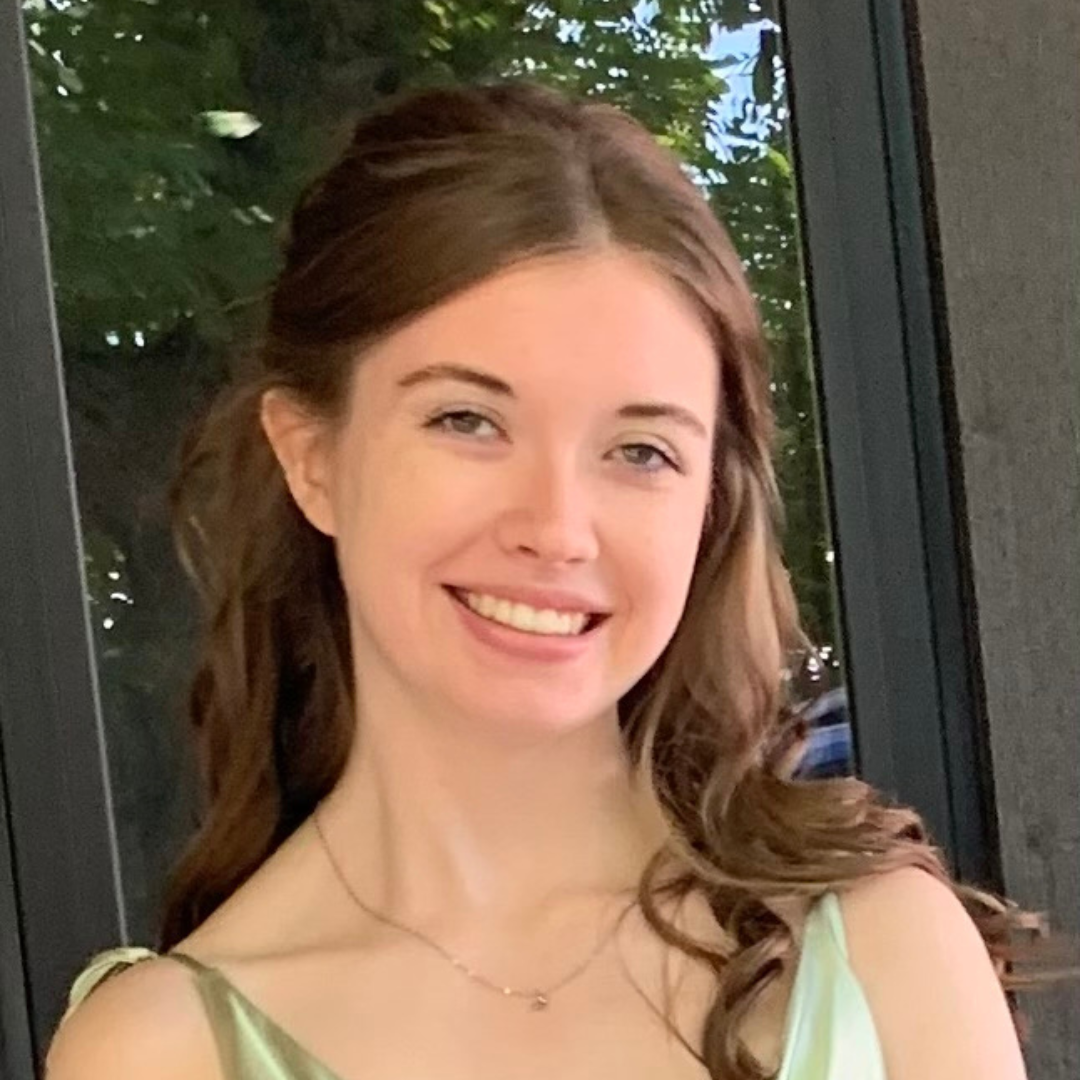
Jenna Kerr, a recent graduate of the University of the Fraser Valley (UFV) with a Bachelor of Arts in Psychology Honours and a minor in Sociology, is making waves both academically and in her community. Her journey through UFV has been marked by an impressive blend of academic excellence, research innovation, and dedicated community service.

Jenna’s fascination with psychology began in high school and flourished throughout her university career. “Psychology was one of my favourite classes in high school, and mental health professional was one of the potential careers I had in mind when I started university,” she explains. This early interest guided her to UFV, where she would later find herself immersed in research and hands-on experiences that solidified her passion for the field.
At UFV, Jenna completed two practicums that deeply impacted her career trajectory. Her first practicum was as a Project Management and Community Engagement Assistant on a project focused on accessible tourism.

“This role involved a lot of correspondence with internal collaborators and community partners. It gave me a good sense of all the moving parts involved in research projects,” Jenna reflects.

Her second practicum as a Counselling Intern at the Chilliwack Youth Health Centre was equally transformative. Initially applying for a counselling support role, Jenna was invited to take on a counselling intern position.

“The internship allowed real-world application of skills that I had previously only applied in theory or through roleplay situations. I gained a lot of confidence in this role and improved my ability to problem-solve in the moment.”

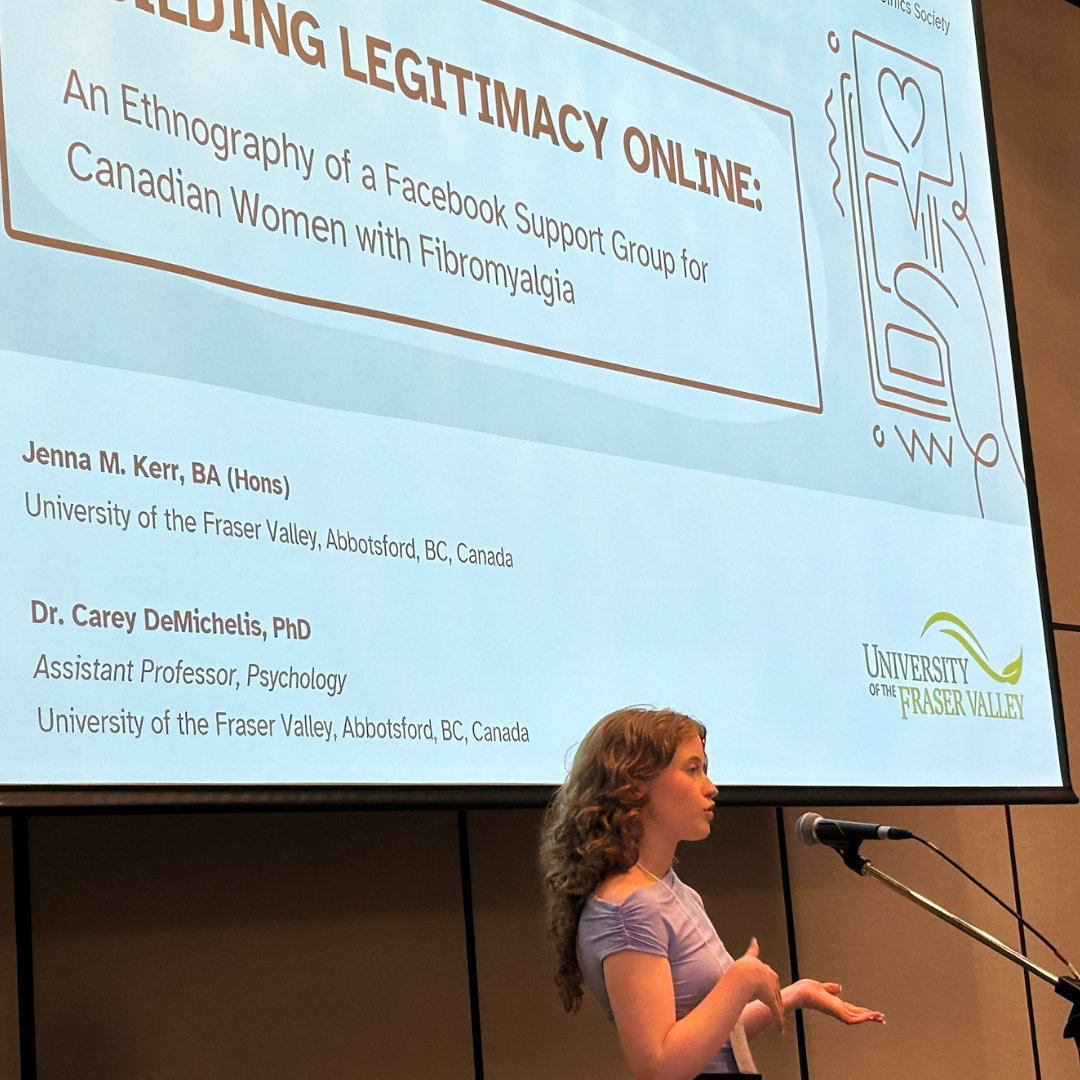
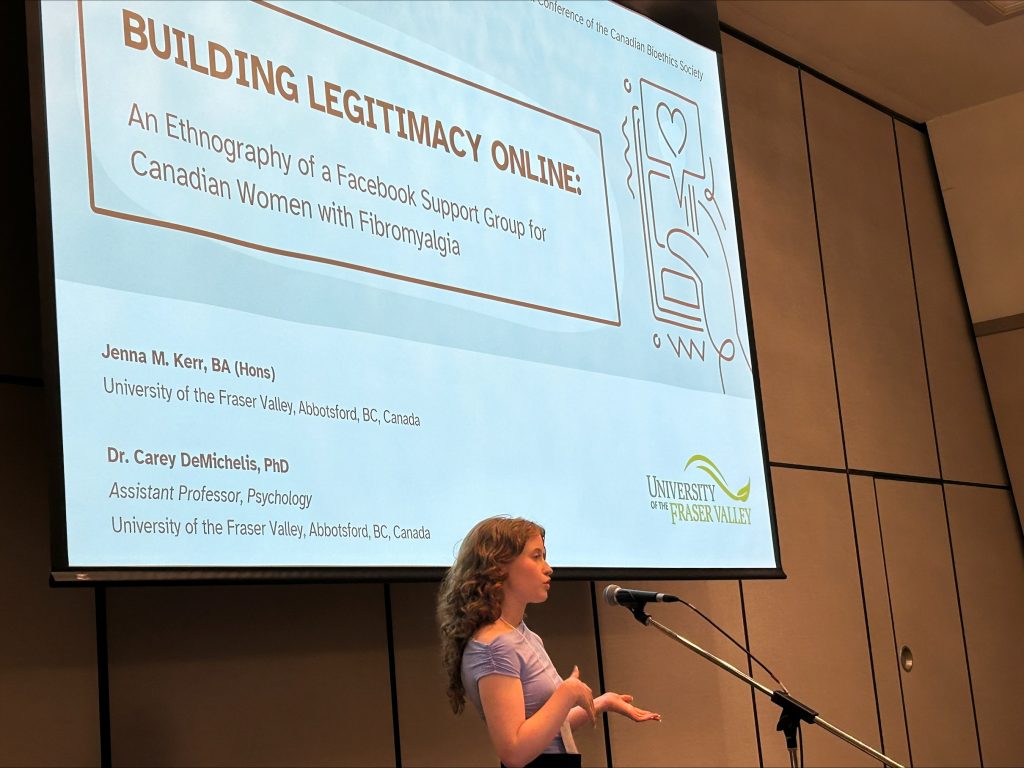
Jenna’s academic journey reached new heights when she was invited to present at the 18th International Conference of Clinical Ethics and Consultation and the 32nd Annual Conference of the Canadian Bioethics Society. Her honours research, supervised by UFV Psychology Assistant Professor Dr. Carey DeMichelis, explored a private online community for Canadian women with fibromyalgia, focused on how these women legitimize and cope with a contested condition and the role that online community might play in those efforts.

“I was thrilled to have my abstract accepted for the joint conference and to be invited to give an oral presentation,” Jenna recounts. “This was my second experience giving an oral presentation at a conference, and my first time sharing my honours research in this format. My first time delivering an oral presentation was earlier this year at the annual Pacific Sociological Association conference in San Diego, where I presented about the work I did as a research assistant to Dr. Michael Corman at the end of my degree.”

Jenna Kerr during her recent presentation at the 18th International Conference of Clinical Ethics and Consultation in Montreal.

Dr. DeMichelis speaks highly of Jenna’s work:

“Jenna conducted this research with the highest ethical standards. Her methodology was carefully constructed and skillfully executed. In her writing and presentations, Jenna has developed a clear and compelling ethnographic voice, weaving together her own narrative observations with evocative insights from interview participants and group members.”

Looking ahead, Jenna plans to apply for graduate programs in Counselling and Clinical Psychology. She also aims to stay involved in research, hoping to leverage both research and practical insights to encourage structural change in care systems.

For students considering a similar path, Jenna offers valuable advice:

“Reflect on what it is you enjoy about psychology, and what you would like to be doing once you’re working. Practicum experience isn’t a requirement for a major in Psychology, but the experience is incredibly helpful in putting learning into practice and getting exposed to career areas of interest.”

Making connections and finding new career paths

Anu Sharma is a curious mind who loves learning new hobbies and discovering new shows.

“As a kid, I would always stumble into anything and everything. I haven’t grown out of that phase yet. We are here to wander through other people’s stories, searching for our own.”

Anu’s path to a Media Arts degree at the University of the Fraser Valley (UFV) was influenced by the onset of the COVID-19 pandemic. The blend of research opportunities and hands-on learning appealed to Anu, who saw this program as a way to further develop their career.

“I had just finished my trades certificate in 3D drafting when COVID hit. I found myself researching the program and saw how many fields interested me. The Media Arts program has several concentrations, and the Applied Interactive core requirements had promising electives and classes to choose from,” Anu explains.

Recently, Anu completed a successful practicum with the Chilliwack Cultural Centre, an experience that proved both challenging and rewarding.

From left to right: Theresia Pio (Festival Production Manager), Beatrice Frenette (Festival Artistic Director), and Anu Sharma (Festival Marketing Manager).

“I am very fortunate to have had the opportunity to use my current skillset in a project designed for students showcasing their art. There was familiarity and hope in creating something that I would want to participate in,” Anu says. Working as part of a great team emphasized the importance of constant communication. “Planning between students was easy, but we relied a lot on different individuals and groups to make this festival work. As someone who wants to be part of successful projects, even when trying something entirely new, sticking to basics will help in the long run.”

The project presented significant challenges, especially in terms of vision and patience. Adaptability became a crucial constant, with the team weighing the pros and cons of each new campaign. Thanks to the efforts of the students, sponsors, and staff at the Chilliwack Cultural Centre, they produced a great experience for everyone involved.

“We had to craft a festival without knowing who or what was being featured. The core idea was to include all the diverse art that students have to offer. We cast a wide net out to our community and had to work fast to tie in loose ends,” Anu recalls.

Looking ahead, Anu is eager to be part of an engaging team in the arts division.

“Thankfully, I’ve gained experience in both marketing coordination and visual communication to seek out other fun opportunities. In the future, I plan on advancing my education and perhaps pursuing a master’s in my desired field. I know whichever way I turn to, I will be able to give it my all.”

Anu’s advice to future students is to embrace the connections they make while learning.

“You have the benefit of knowing your peers and instructors while you learn. Don’t be afraid to put yourself out there. I learned the hard way that fear can get in the way of a lot of personal growth, someone once told me to turn that fear into excitement. Your projects are a statement of how much you’ve grown. If you plan on getting into Media Arts, be open to new learning experiences and tons of new people! It is very motivating being immersed in an environment that wants you to be creative and functional career-wise.”