
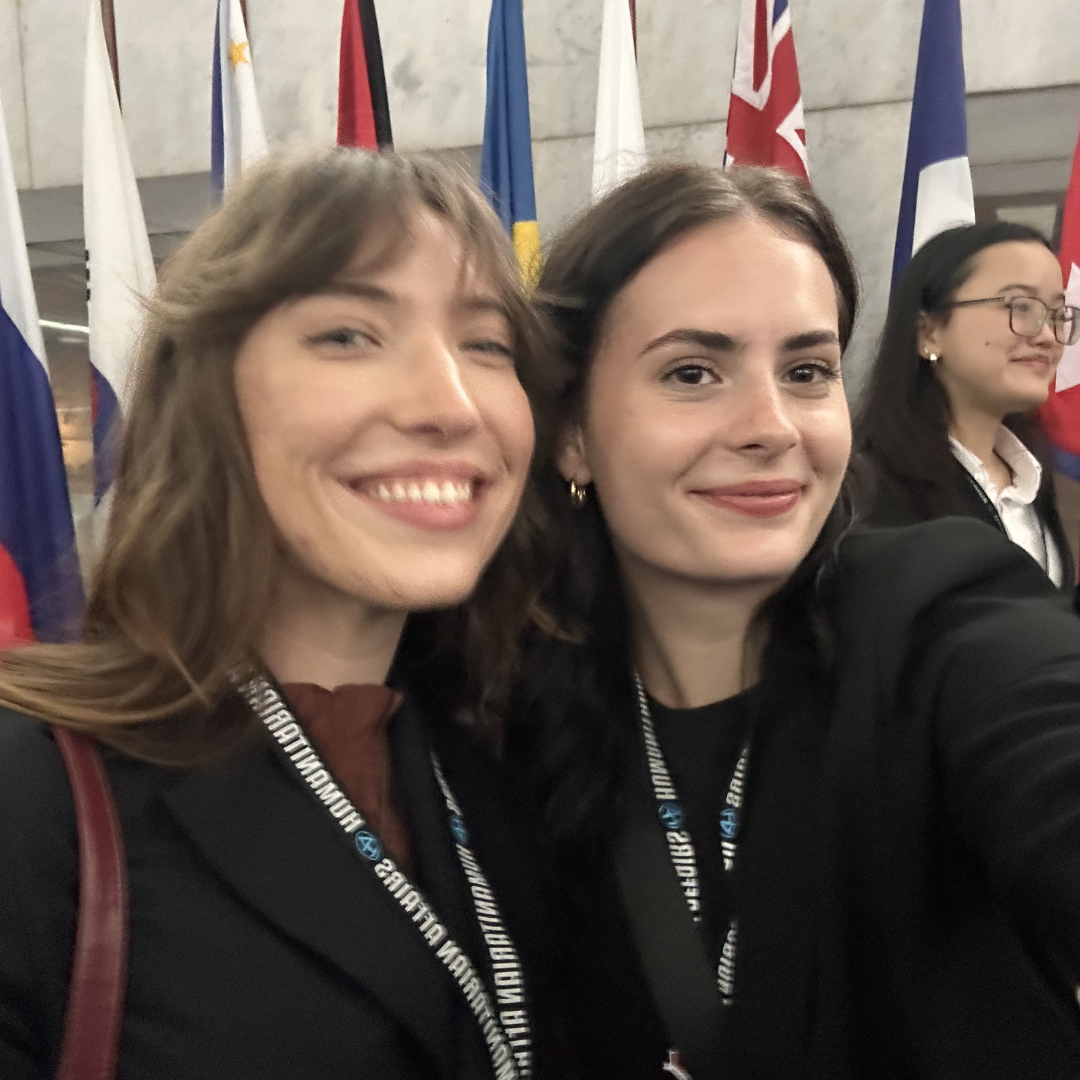
From UFV to the United Nations: Tavia and Ava’s Journey to the 2026 UN Peace Summit
This year, two UFV College of Arts students, Tavia Jasper and Ava Wagner, stepped onto the international stage at the 2026 UN Peace Summit in Bangkok — representing not only UFV, but also the power of student leadership, resilience, and purpose-driven education.
 For both students, attending the summit was a remarkable milestone. For Ava, it was an opportunity to deepen her experience as a Global Development Studies major. For Tavia, a Peace and Conflict Studies major, the experience represented something even deeper: the culmination of years spent transforming personal adversity, intellectual curiosity, and a passion for justice into meaningful global engagement.
We sat down with Tavia to chat about her experience at the UN Peace Summit.
“Change does not begin with policy alone. It begins with trust. Relationships come before tasks. Institutions that lack relational integrity eventually collapse, just as ecosystems without feedback mechanisms destabilize. Trust is the precondition for any meaningful change. Living systems; ecosystems, organisms, networks, that have been refining principles of trust for billions of years. Boundaries, feedback loops, reciprocity, willingness, these are not abstract moral ideals. They are biological survival strategies.”, reflects Tavia.
From homeschooling and early lessons in empathy to navigating multiple majors, personal hardship, and eventually finding her place within UFV’s interdisciplinary Peace and Conflict Studies program, Tavia’s path reflects determination shaped by complexity. That journey led her — alongside Ava — to one of the world’s most important youth peacebuilding forums.
“It was surreal. Walking into the United Nations Conference Centre, everyone in their formal attire, sitting among delegates from across the globe, I felt both humbled and energized. You are so different from everyone, yet you all share somewhat of a common thread when it comes to peacebuilding and, if you don’t share this thread, it honestly makes for even better dialog. I was grateful everyone was really open to discussion.”
At the summit, Tavia and Ava engaged with global leaders, survivors of atrocity, peacebuilders, and fellow delegates from around the world. What they encountered was not abstract diplomacy, but the urgent human reality behind conflict and reconciliation.
“Peace was not theoretical, it was urgent and deeply human”, says Tavia.
 Together, Tavia and Ava’s participation highlighted how UFV students are increasingly contributing to global conversations around peace, governance, and sustainability. Their presence demonstrated the university’s growing role in preparing students not just for careers, but for civic and international leadership.
As Tavia described “Representing UFV in that space reminded me that education is not just preparation for employment. It’s preparation for participation. […] This experience didn’t change my direction — it sharpened it.”
Now, both students hold appointments as a Humanitarian Affairs Peace Ambassador for a one-year term — a recognition of both their potential and commitment to systemic change.
“Being a Peace Ambassador means ensuring that peace is not performative. It means asking difficult questions about power redistribution, representation, and sustainability.”
As Tavia’s reflections make clear, peacebuilding must move beyond symbolic gestures and into institutional courage, structural accountability, and sustained action. “Peace is prevention. Prevention requires courage.” – Tavia.
 Their photos captured moments from this extraordinary experience, but the shared story of these two students is one of ambition, representation, and transformation. Together, they exemplify what happens when students bring classroom learning into global arenas — carrying local values into international dialogue.
Their story especially underscores the value of UFV’s educational framework: teaching students how to think critically, engage ethically, and lead courageously in a rapidly changing world.
“This preparation gave me confidence. Not because I had all the answers, but because I had the tools to ask better questions.”, says Tavia.
As Tavia and Ava return from Bangkok, their journey stands as a success story not only for themselves, but for the broader UFV community — proof that global impact can begin with local education, resilience, and the willingness to step beyond comfort.
The road from UFV to the United Nations begins with one step, one question, and one commitment to building a better world.
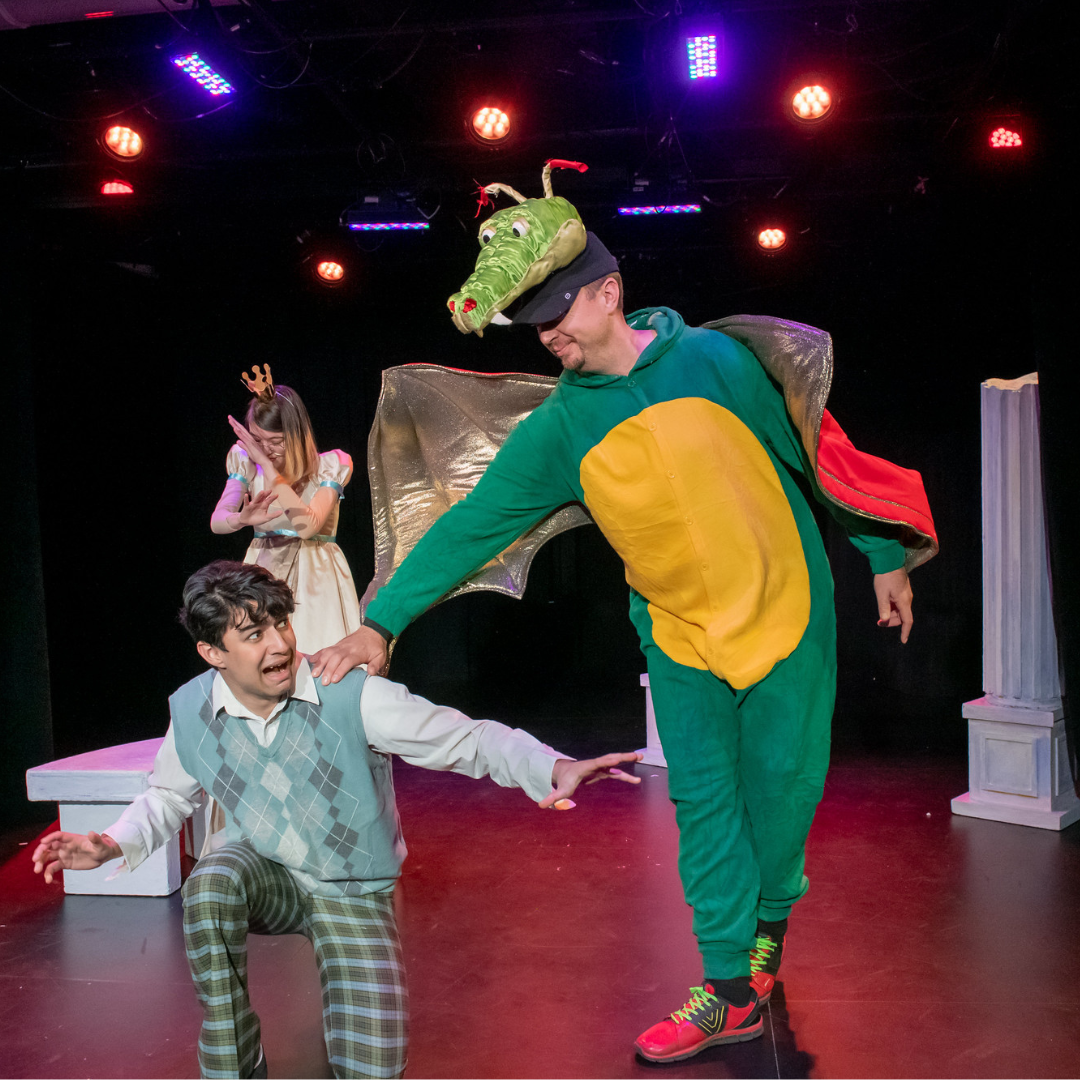
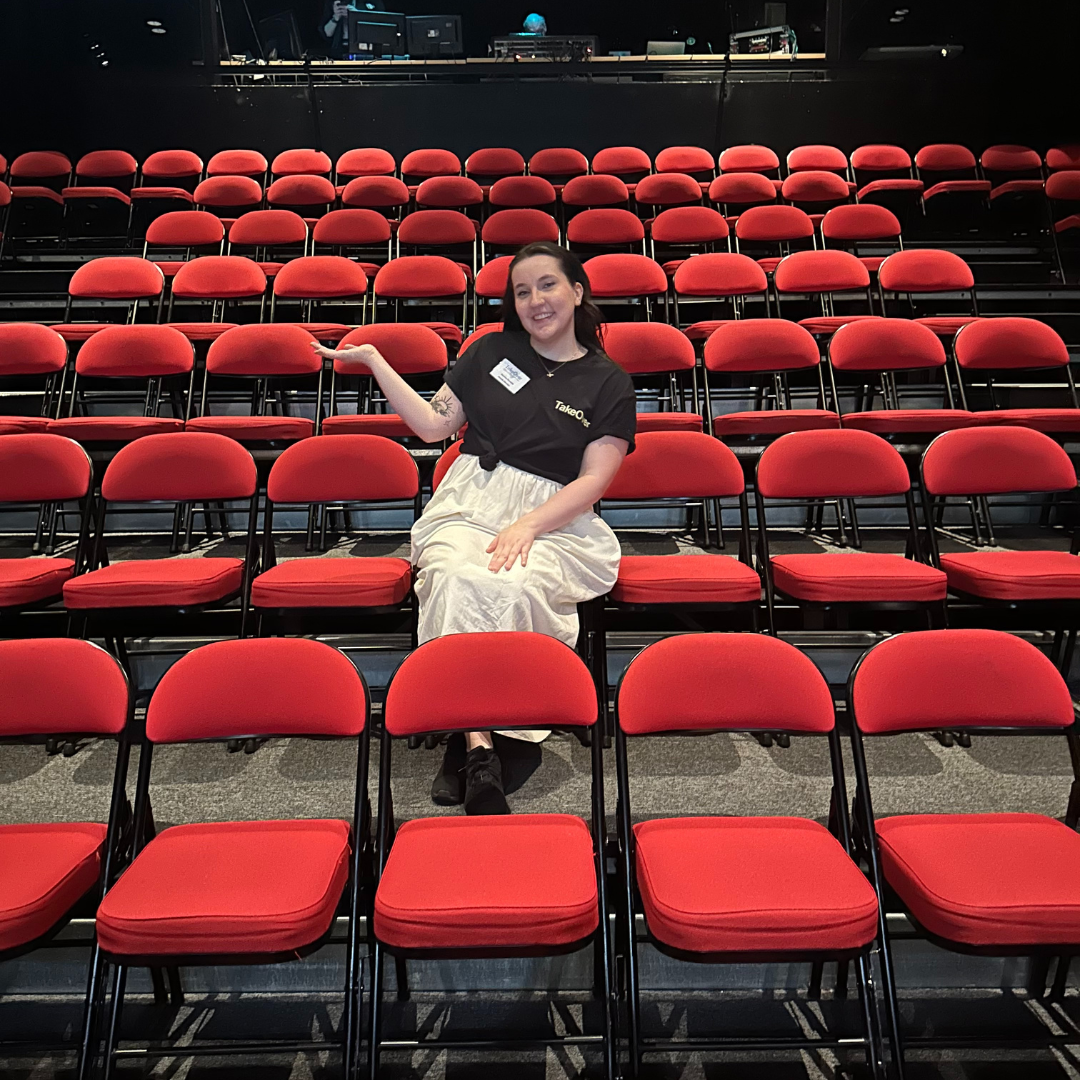
 UFV’s Black Box Theatre on the Abbotsford campus is an intimate space, seating around 40 to 50 people, where students can experiment and connect closely with audiences. Shelley Liebembuk, Director of the School of Creative Arts and Associate Professor, calls it “a perfect lab for experimentation, where students are encouraged to interact with their audience and explore their craft.” This year, after the opening week of performances in this intimate setting, the students tour both their fall and winter productions to the 160-seat Rotary Hall at the Chilliwack Cultural Centre (CCC). This experience allows students to tackle new challenges, from managing sound and lighting for a bigger space to actors projecting their performances for a broader audience.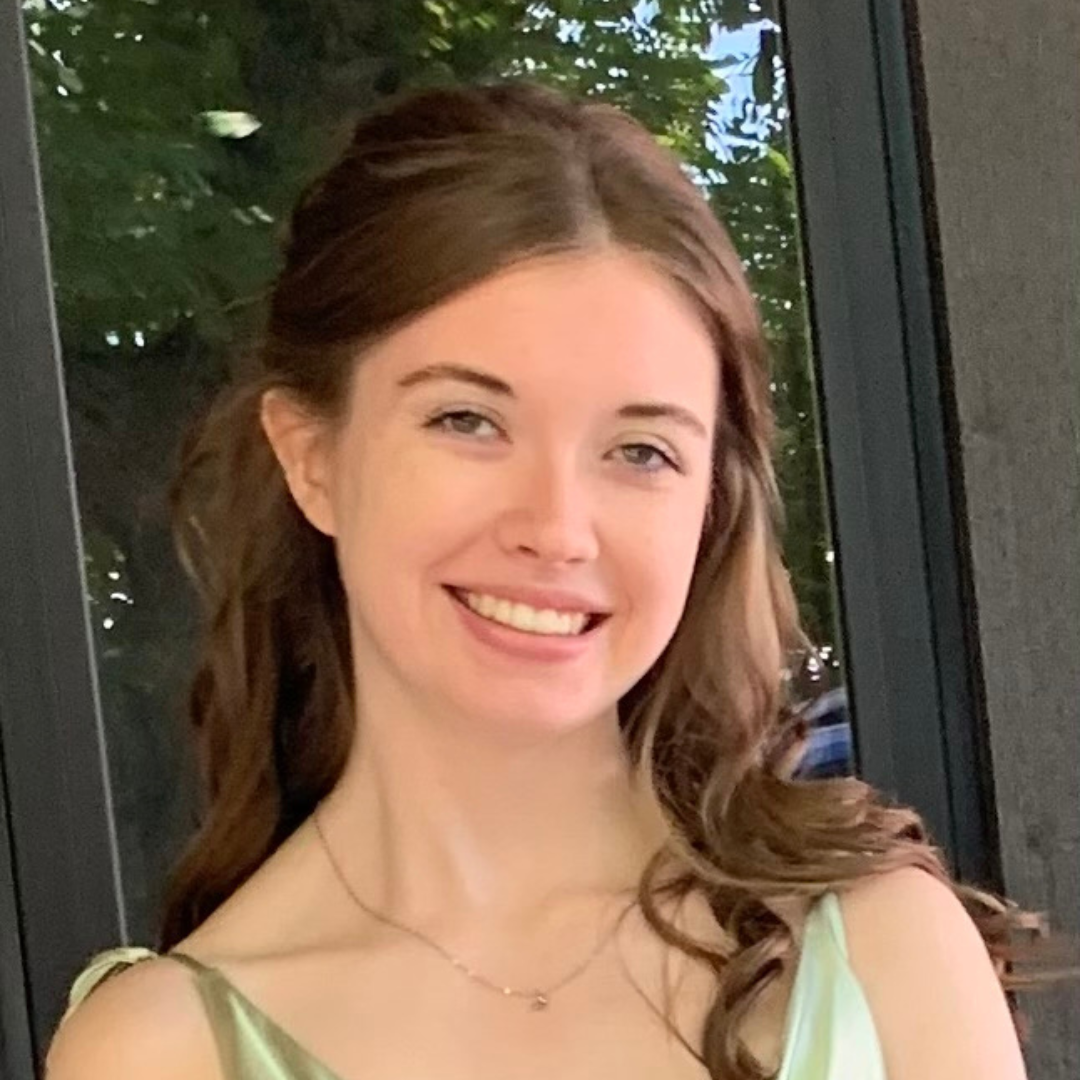
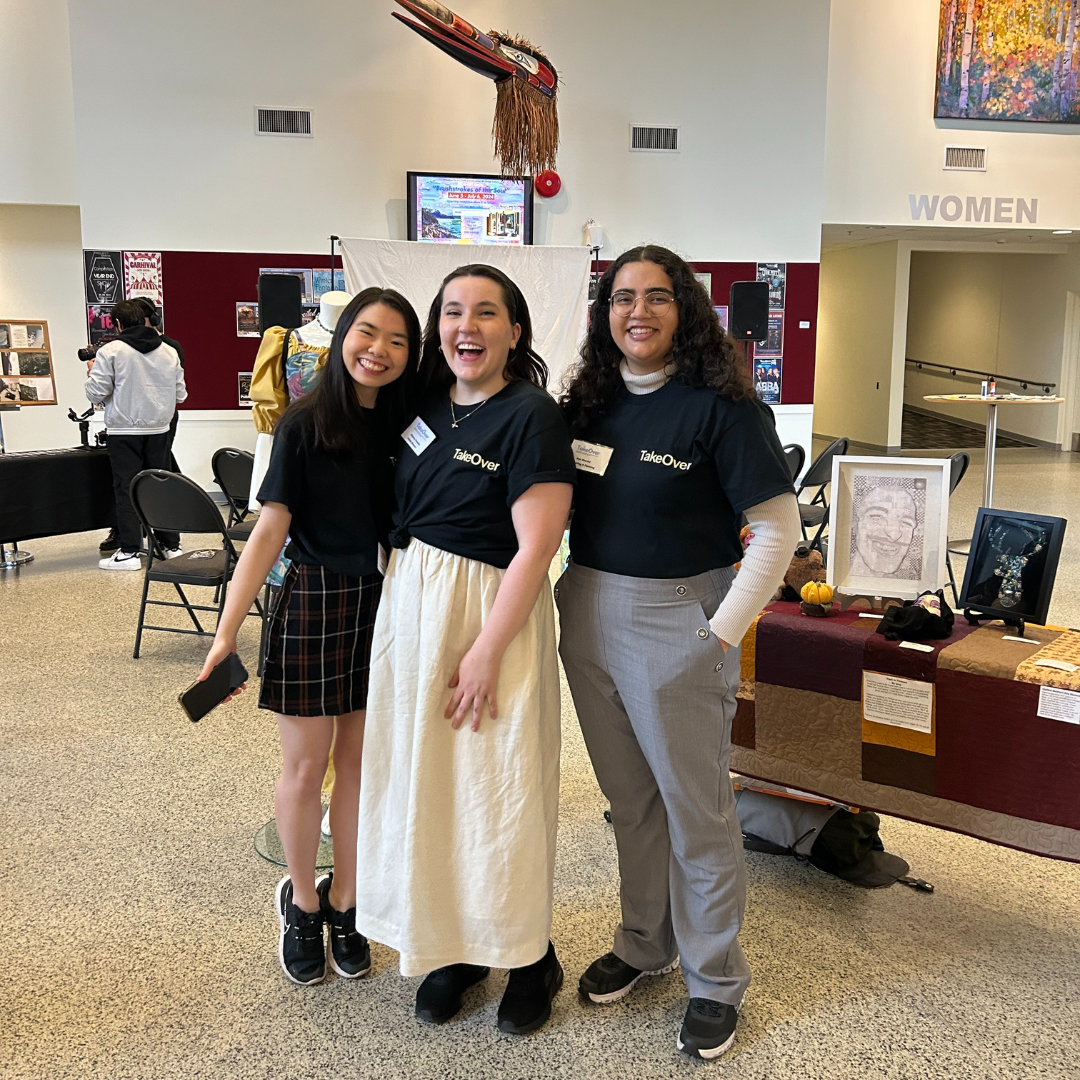
 Béatrice Frenette, who graduates this summer from the University of the Fraser Valley (UFV), has already achieved significant milestones. She is the first in her immediate family to attend and complete a university degree, earning a Bachelor of Arts with a major in Communications and a minor in Theatre, along with two certificates.
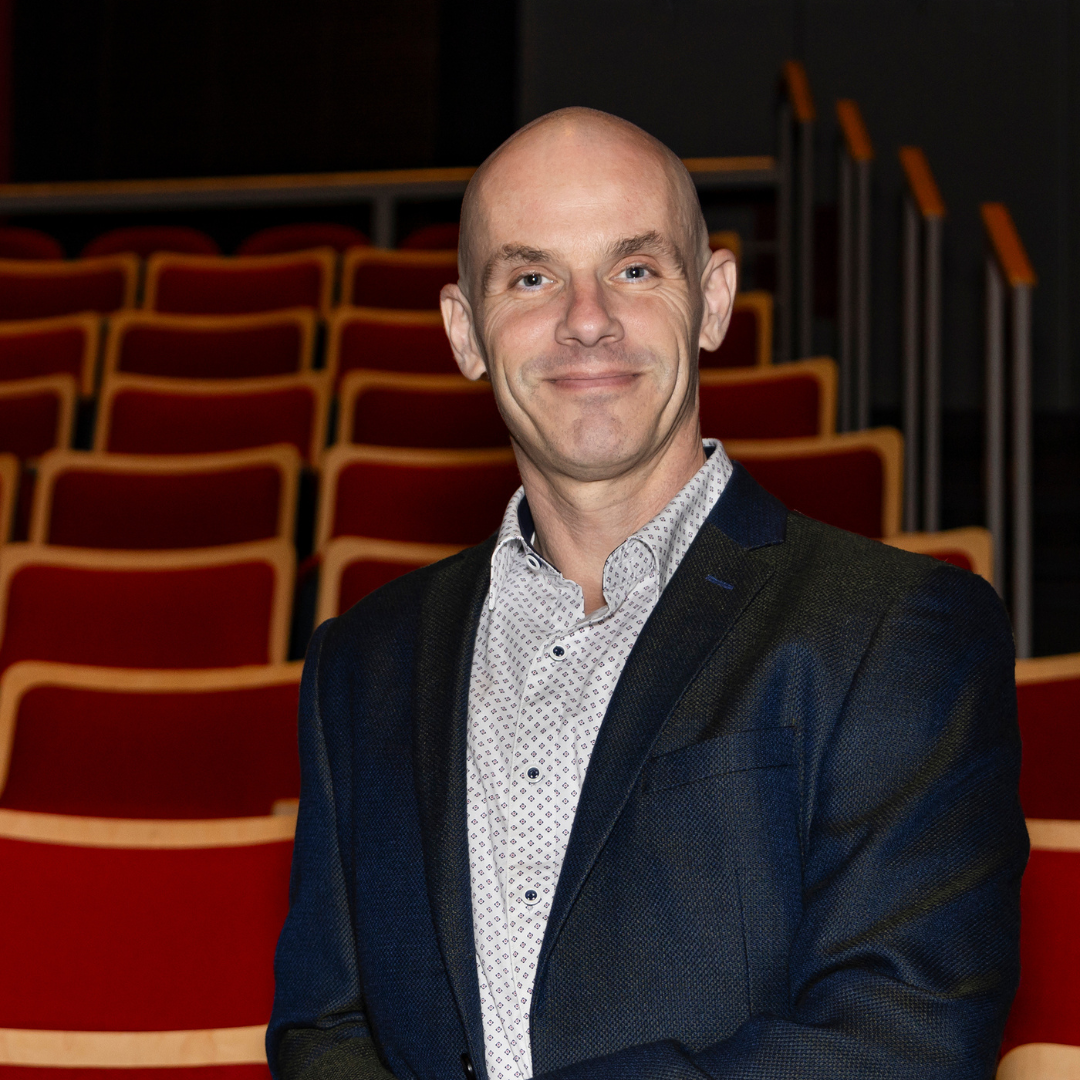
 Jean-Louis Bleau is a versatile professional whose career has woven through various roles in the arts sector. Currently serving as the Executive Director of the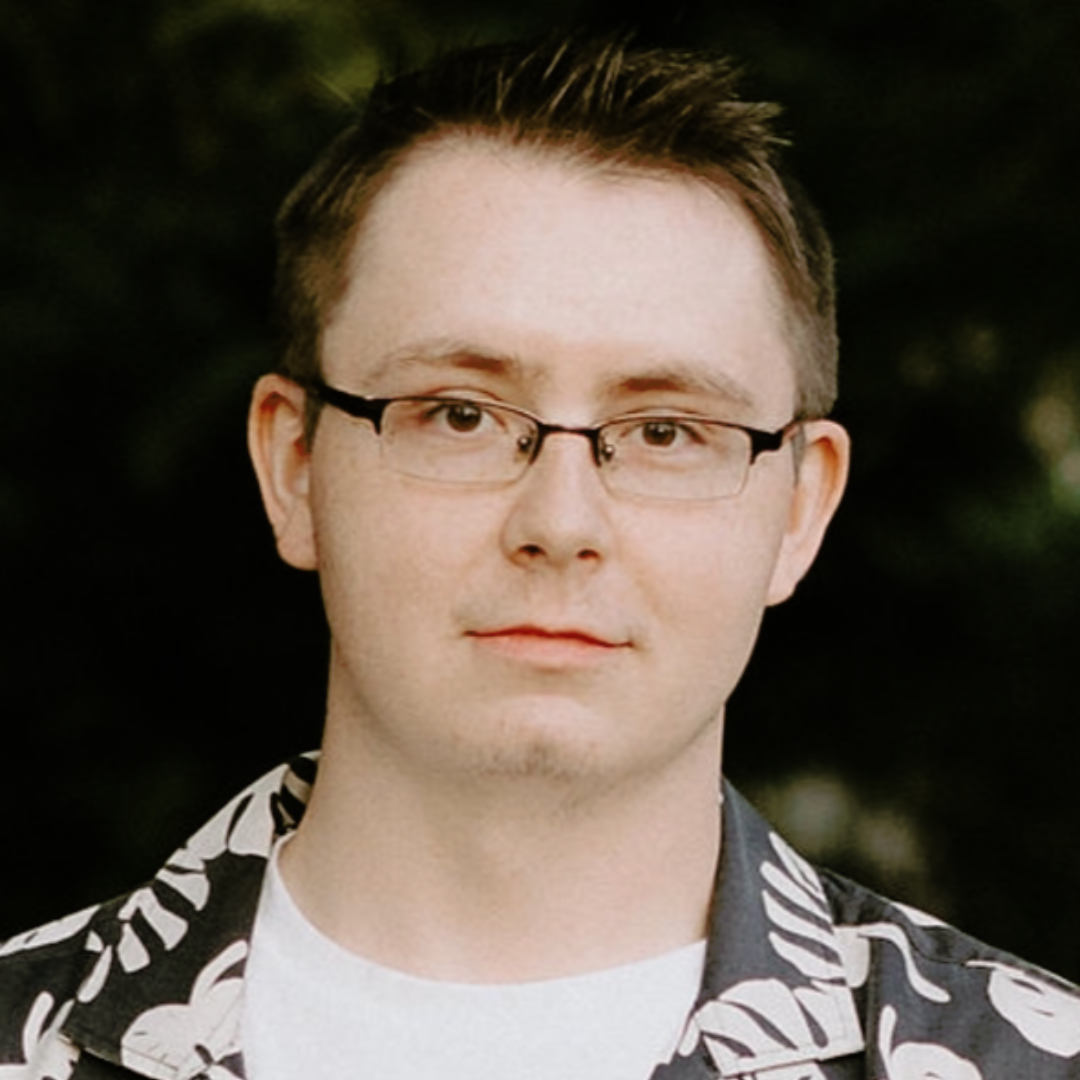
 Logan York is a recent BA graduate in Psychology with a minor in Criminal Justice. Originally from Red Deer, Alberta, Logan found his way to British Columbia, where he has lived most of his life and began shaping his career aspirations.