Summer 2026 News | Faculty Projects, Interviews and Publications

Summer 2026 News at the College of Arts

Check out what our faculty at the College of Arts have been up to.

From exciting projects to new publications, read more about their work and connect with us to learn more about the College of Arts.

🤳 Follow us on Instagram

💼 Follow us on LinkedIn

📥 Subscribe to our Arts Newsletter

School of Culture, Media and Society

Amber Gazso, Professor, published the article Only ever mothers? Or other than mothers? Ambivalence and ‘good’ mothering on welfare in Ontario, Canada, examining how welfare policies reinforce social and economic vulnerabilities for mothers while shaping expectations around “good” mothering. Read article

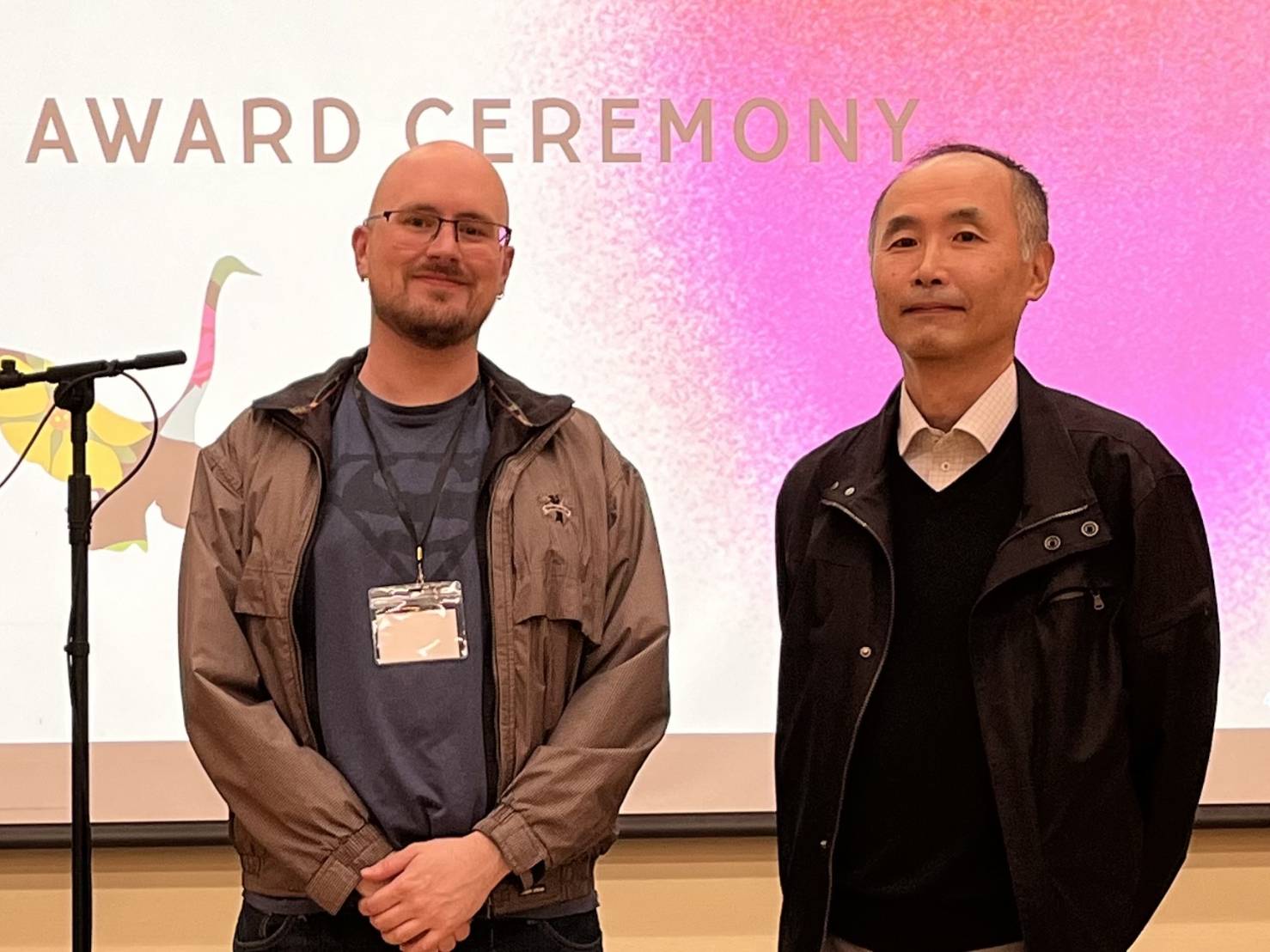
Darren Blakeborough, Associate Professor, Media and Communication Studies, appeared as a guest expert on the 2 Drinks In podcast discussing the film Train to Busan. The professor also interviewed filmmaker Matt Johnson and director Patrick Brice for the Chilliwack Independent Film Festival Podcast, discussing filmmaking, storytelling, and creative process.

Michael Corman, Associate Professor, Sociology, was an invited speaker at the Post-Secondary Employers’ Association Sector Benefits Program Conference, presenting Beyond Mindfulness: Structural Wellness, which explored structural approaches to wellbeing in post-secondary environments.

Political Science

Simon Lambek, Assistant Professor, published the sole-authored article The Meta-Representative Claim in Contemporary Political Theory. The professor also participated in the launch of What’s In the Hat?: Laughing Matters, a new video podcast and television series developed through posAbilities, the Social Media Fellowship, and TELUS STORYHIVE. The project highlights creators with disabilities engaging academics and experts in conversations around humour, accessibility, and inclusion.

Criminology and Criminal Justice

Amanda McCormick, Associate Professor, served as a panelist on the Coroner’s Intimate Partner Violence Death Review, which provided recommendations for addressing intimate partner violence in British Columbia. The professor also delivered two presentations at the 16th Annual Network to Eliminate Violence in Relationships Conference, focusing on access to medical-forensic exams and stakeholder knowledge of forensic nursing and medical-forensic examinations.

Carlos Ponce, Associate Professor, co-authored the article You got a problem?’: Arguments in traffic stops in the US and El Salvador and the implications for police procedural justice with P. Shon in International Criminology.

Irwin Cohen, Associate Professor; Amanda McCormick, Associate Professor; Carlos Ponce, Associate Professor; Kevin Burk, Assistant Professor; and Karine Descormiers, Assistant Professor, presented a panel on academic and police partnerships at the Canadian Association of Police Educators Conference in New Westminster, BC.

Philosophy

Joseph Carew, Instructor, co-edited The Palgrave Schelling Handbook with Sean McGrath and Kyla Bruff. The volume brings together 28 chapters by international scholars examining the thought, influence, and legacy of Friedrich Wilhelm Joseph Schelling. Carew also authored a chapter on Schelling and Hegel and translated several chapters from German. View publication

Psychology

Nicole Sulimani, Honours Student; Alexis van Hunenstijn, Directed Studies Student; and Andrea Albonico, Assistant Professor, co-authored the article Recognition of real and artificial intelligence-generated faces, investigating how people distinguish between real and AI-generated faces. Read article

From UFV to the United Nations: Tavia and Ava’s Journey to the 2026 UN Peace Summit

From UFV to the United Nations: Tavia and Ava’s Journey to the 2026 UN Peace Summit

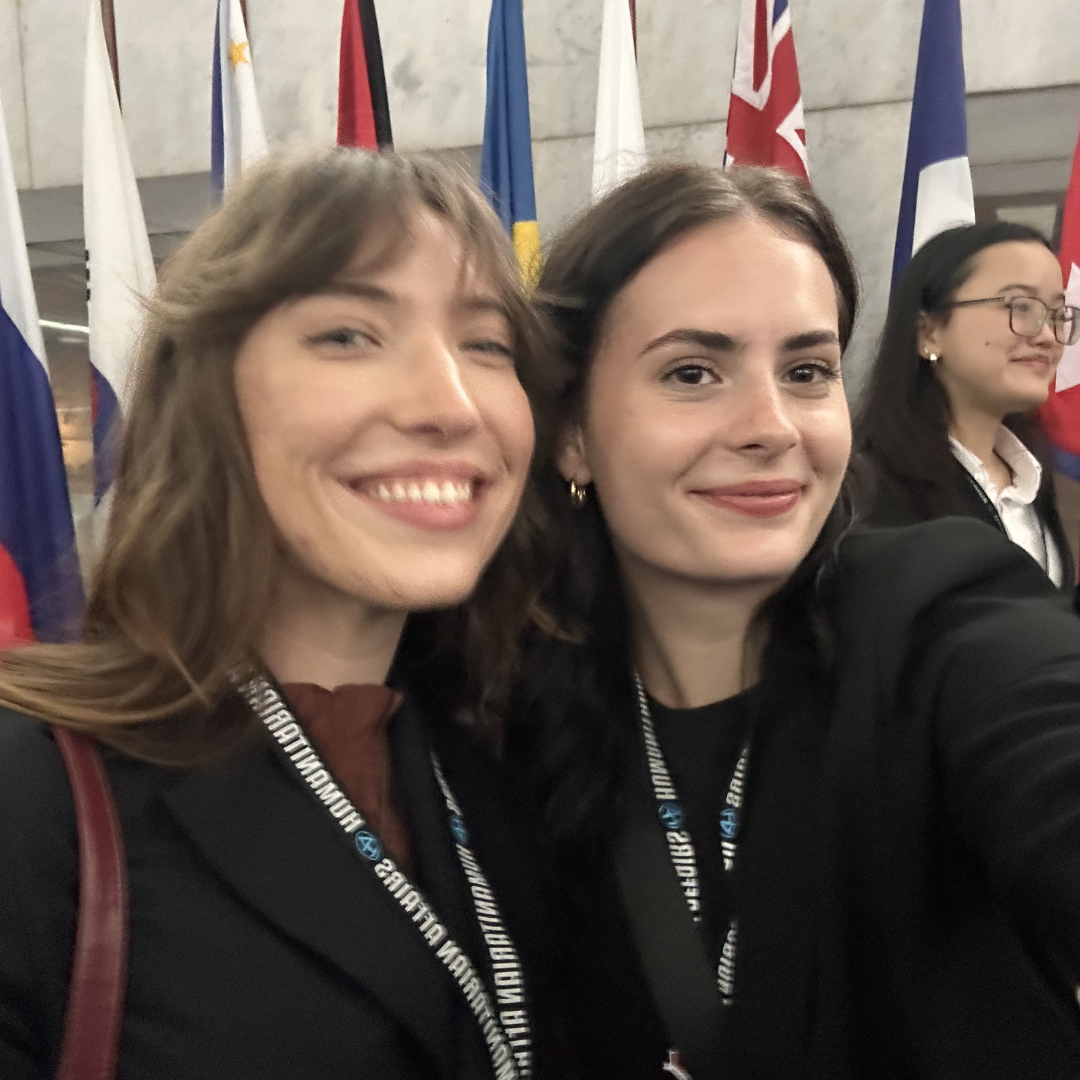
This year, two UFV College of Arts students, Tavia Jasper and Ava Wagner, stepped onto the international stage at the 2026 UN Peace Summit in Bangkok — representing not only UFV, but also the power of student leadership, resilience, and purpose-driven education.

For both students, attending the summit was a remarkable milestone. For Ava, it was an opportunity to deepen her experience as a Global Development Studies major. For Tavia, a Peace and Conflict Studies major, the experience represented something even deeper: the culmination of years spent transforming personal adversity, intellectual curiosity, and a passion for justice into meaningful global engagement.

We sat down with Tavia to chat about her experience at the UN Peace Summit.

“Change does not begin with policy alone. It begins with trust. Relationships come before tasks. Institutions that lack relational integrity eventually collapse, just as ecosystems without feedback mechanisms destabilize. Trust is the precondition for any meaningful change. Living systems; ecosystems, organisms, networks, that have been refining principles of trust for billions of years. Boundaries, feedback loops, reciprocity, willingness, these are not abstract moral ideals. They are biological survival strategies.”, reflects Tavia.

From homeschooling and early lessons in empathy to navigating multiple majors, personal hardship, and eventually finding her place within UFV’s interdisciplinary Peace and Conflict Studies program, Tavia’s path reflects determination shaped by complexity. That journey led her — alongside Ava — to one of the world’s most important youth peacebuilding forums.

“It was surreal. Walking into the United Nations Conference Centre, everyone in their formal attire, sitting among delegates from across the globe, I felt both humbled and energized. You are so different from everyone, yet you all share somewhat of a common thread when it comes to peacebuilding and, if you don’t share this thread, it honestly makes for even better dialog. I was grateful everyone was really open to discussion.”

At the summit, Tavia and Ava engaged with global leaders, survivors of atrocity, peacebuilders, and fellow delegates from around the world. What they encountered was not abstract diplomacy, but the urgent human reality behind conflict and reconciliation.

“Peace was not theoretical, it was urgent and deeply human”, says Tavia.

Together, Tavia and Ava’s participation highlighted how UFV students are increasingly contributing to global conversations around peace, governance, and sustainability. Their presence demonstrated the university’s growing role in preparing students not just for careers, but for civic and international leadership.

As Tavia described “Representing UFV in that space reminded me that education is not just preparation for employment. It’s preparation for participation. […] This experience didn’t change my direction — it sharpened it.”

Now, both students hold appointments as a Humanitarian Affairs Peace Ambassador for a one-year term — a recognition of both their potential and commitment to systemic change.

“Being a Peace Ambassador means ensuring that peace is not performative. It means asking difficult questions about power redistribution, representation, and sustainability.”

As Tavia’s reflections make clear, peacebuilding must move beyond symbolic gestures and into institutional courage, structural accountability, and sustained action. “Peace is prevention. Prevention requires courage.” – Tavia.

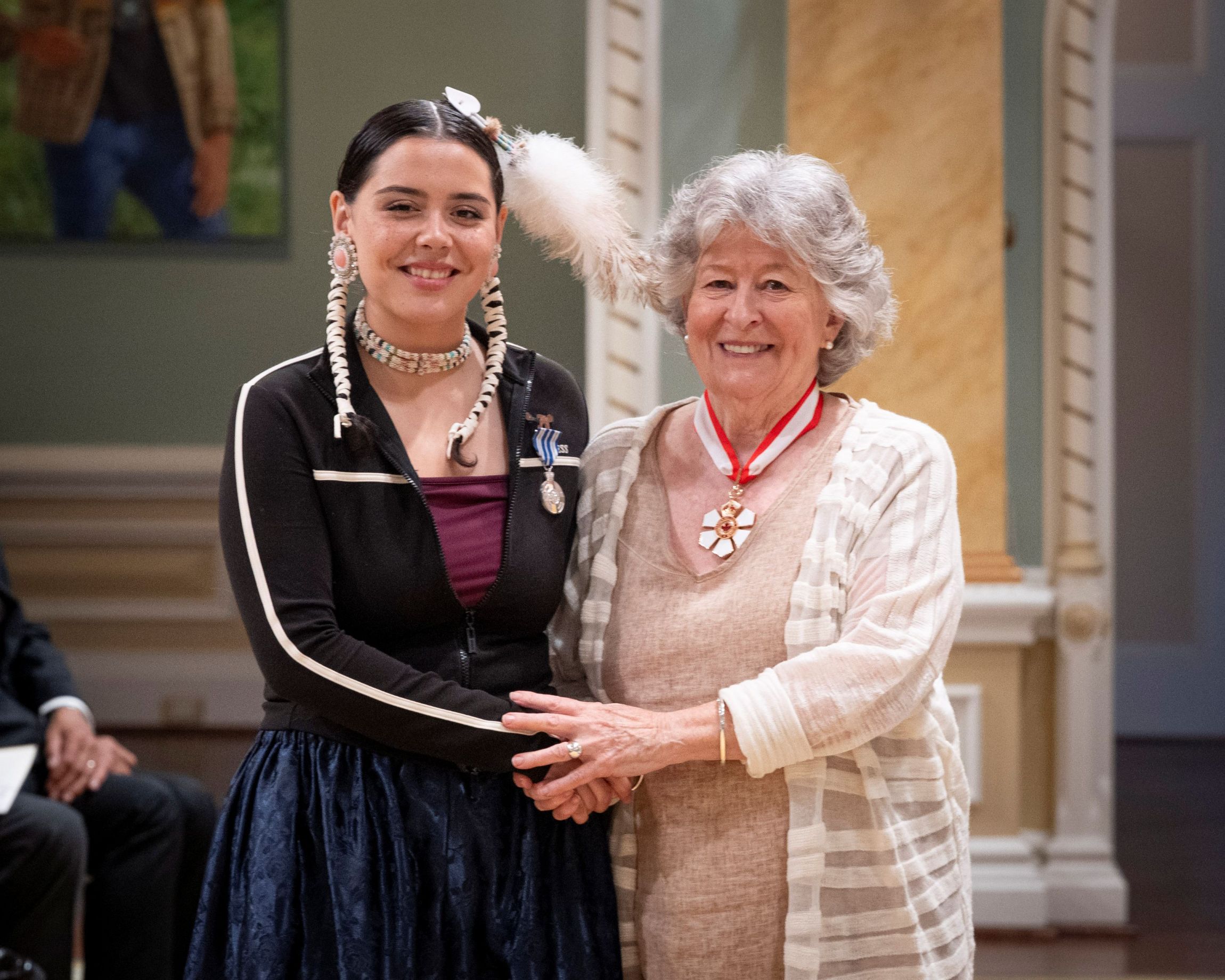
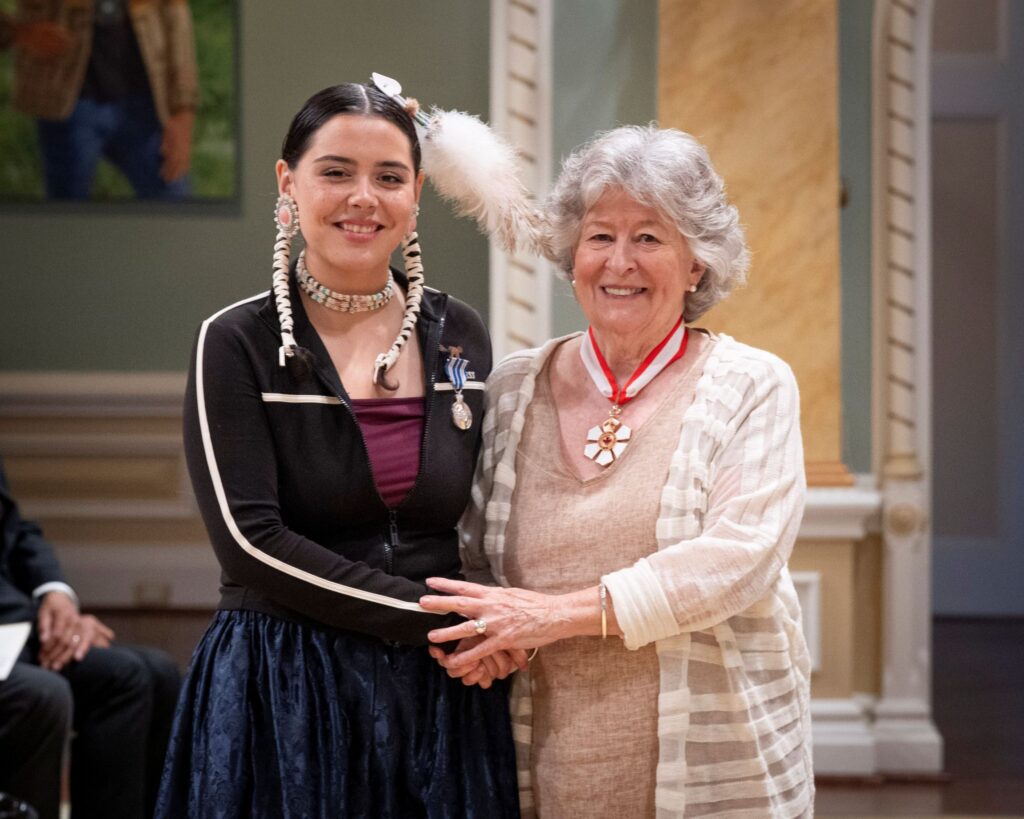
Their photos captured moments from this extraordinary experience, but the shared story of these two students is one of ambition, representation, and transformation. Together, they exemplify what happens when students bring classroom learning into global arenas — carrying local values into international dialogue.

Their story especially underscores the value of UFV’s educational framework: teaching students how to think critically, engage ethically, and lead courageously in a rapidly changing world.

“This preparation gave me confidence. Not because I had all the answers, but because I had the tools to ask better questions.”, says Tavia.

As Tavia and Ava return from Bangkok, their journey stands as a success story not only for themselves, but for the broader UFV community — proof that global impact can begin with local education, resilience, and the willingness to step beyond comfort.

The road from UFV to the United Nations begins with one step, one question, and one commitment to building a better world.

April 2026 News | Faculty Projects, Interviews and Publications

Presentation

April 2026 News at the College of Arts

Check out what our faculty at the College of Arts have been up to.

From exciting projects to new publications, read more about their work and connect with us to learn more about the College of Arts.

🤳 Follow us on Instagram

💼 Follow us on LinkedIn

📥 Subscribe to our Arts Newsletter

Criminology and Criminal Justice (CRIM)

Yvon Dandurand, Professor Emeritus, co-authored the book chapter Restorative Justice with Adolescents Who Have Offended: What Works with M. Capp in The Wiley Handbook of What Works with Adolescents Who Have Offended: Theory, Research, and Practice (Wiley-Blackwell, 2026).
🔗 View publication


Political Science (POSC)

Noah S. Schwartz, Assistant Professor, co-authored the policy paper Off Target: Evaluating Post-2019 Changes to Canada’s Gun Control Laws with student research assistants Ella and Korian through the Macdonald-Laurier Institute, drawing on SSHRC-funded research to advocate for intelligence, community policing, and violence interruption strategies.
🔗 Read policy paper


School of Culture, Media and Society (SCMS)

Michael Corman, Associate Professor, Sociology, presented The Future of Paramedic Education and the Promise of Sociology at the NAIT Paramedic Industry–Student Engagement Event in Edmonton.

Michael Corman, Associate Professor, Sociology, presented Let’s Talk About Teaching and Learning at The Future of Paramedic Education in Alberta through the Alberta College of Paramedics’ Education Program Review Committee.

Michael Corman, Associate Professor, Sociology, and Morgan King-Roskamp, Undergraduate Student, co-presented Welcome to the HALO Academy of Paramedicine: A Qualitative Content Analysis of Recruitment Material in Canada at the Pacific Sociological Association conference in Long Beach, California.


Philosophy (PHIL)

August Faller, Assistant Professor, presented original research titled What’s Done Cannot be Undone: Social Kind Realism without Backwards Causation as part of the SFU Philosophy Spring 2026 Colloquium Series.
🔗 View event

Mark Thomson, Assistant Professor, was an invited guest speaker in the SFU Philosophy Colloquium Series, presenting Emotions are Not Multi-Modal Perceptions: They are Processing Modes.
🔗 View event

Alexander Pho, Assistant Professor, presented research from his paper Warrior Masculinity is a Caring Masculinity at the workshop What is Good in Sport? at Arizona State University and at the 2nd Annual Oregon State University Philosophy Conference, where he was invited as keynote speaker. He also presented Solidarity with Refugees and Heritage Language Preservation at the 76th Annual Northwest Philosophy Conference at Lewis and Clark College.

Finding a Voice Across Languages: Cody Woelders and the Power of Multilingual Connection

Finding a Voice Across Languages: Cody Woelders and the Power of Multilingual Connection

On March 7th, 2026, at the Asian Centre at UBC, a room filled with language learners, judges, and quiet anticipation. Among the tension, Cody Woelders, a French major student at UFV, stepped onto the stage to deliver a speech in Japanese — entirely from memory. Moments later, he walked away with second place in the University–Intermediate category at the 38th BC Japanese Speech Contest.

But for Cody, the achievement wasn’t just about a ranking or a trophy. It was about something much deeper: language, identity, and what it truly means to belong in Canada.

A Return to Education with Purpose

As a returning adult learner at UFV, he is pursuing a French major alongside a TESL (Teaching English as a Second Language) proficiency certificate—and he is aiming for a Japanese language certificate as well. Outside of his coursework, he actively tutors students and has gained hands-on experience helping newly arrived Canadians learn English.

His path into linguistics is a bit unconventional. While he is now fully immersed in the world of languages, it wasn’t French that started it all. It was actually Japanese, first encountered in high school, that sparked his lifelong curiosity about how language shapes the way we think and understand the world.


Building a Message

Cody didn’t originally set out to compete in the BC Japanese Speech Contest; he only applied because his instructor suggested it as a way to earn some extra credit. When he found out he had been selected, the experience shifted from a small academic opportunity into a true personal challenge.

His speech, “The Heartfelt Welcome of Canadians” (カナダ人の心からの歓迎), was actually inspired by an unexpected source: a French class on colonial history. After studying the Négritude movement and thinkers like Aimé Césaire, Cody began connecting those concepts of identity to Canada’s multicultural reality. His TESL practicum, where he worked closely with newcomers, solidified this perspective. “All of it made me realize Canada is truly the one country where you are welcomed to bring your old culture with you,” Cody says.


Nerves, Resilience, and a Little Humor

Preparing for the competition was intense. Cody spent a month writing, and then weeks practicing — reciting lines while driving or doing chores until the entire speech was committed to memory.

The hardest part, however, wasn’t the grammar or vocabulary — it was the nerves. “The panic leading up to the presentation? That requires self-management skills, and those are complicated.” In fact, the stress caught up to him in a hilariously unexpected way: while rehearsing at a barber shop the day before the competition, he briefly passed out. “Apologies to that barber. It all worked out,” he adds with a laugh.

Once he finally stepped onto the stage, the practice kicked in and the performance felt natural. When he was announced as the second-place winner, his first reaction was immediate relief. He jokes that while he would have gone to the national competition if he had won first place, he is “secretly relieved, lol” not to have to go through the pressure again.


A Lens into Human Cognition

For Cody, studying at UFV is about more than just checking off academic boxes; it is about “cross-linguistic synthesis”—exploring how different languages encode meaning and what they reveal about human cognition.

Even in an age of AI and instant translation, Cody is passionate about the necessity of language programs. He argues that understanding how language works — and the nuance that comes with it — is becoming more important than ever in our globally connected world.

Ultimately, Cody’s journey is a story of growth. It’s about returning to education with purpose and discovering that when you learn a language, you aren’t just memorizing words — you are connecting people. It becomes personal.

March 2026 News | Faculty Projects, Interviews and Publications

March 2026 News at the College of Arts

Check out what our faculty at the College of Arts have been up to.

From exciting projects to new publications, read more about their work and connect with us to learn more about the College of Arts.

🤳 Follow us on Instagram

💼 Follow us on LinkedIn

📥 Subscribe to our Arts Newsletter

College of Arts

Dr. Wade Deisman, Associate Dean, Social Sciences, appeared on the Conversations with Dr. David Dobson podcast (Episode 170), discussing his national initiative A Classroom in Every Prison, which advocates for expanding post-secondary education in correctional facilities across Canada. 🔗 Watch episode


Community Health and Social Innovation Hub (CHASI)

Dr. Iris Lesser, Associate Professor, Kinesiology (Faculty of Health Sciences) and CHASI Faculty Associate, was featured in a CBC News segment highlighting her research on postpartum movement and its impact on maternal health. 🔗 Watch segment


School of Culture, Media and Society (SCMS) and CHASI

Len Garis, Adjunct Professor, SCMS and CHASI Research Associate, authored the blog post The Canadian Firefighter Registry: A New Initiative to Combat Occupational Cancer, discussing the development of a national registry and its implications for firefighter health research in Canada. 🔗 Read blog


Dr. Michael Corman, Associate Professor, Sociology – School of Culture, Media, and Society was invited to talk to the Alberta College of Paramedics: “Teaching Philosophy, Hidden Curricula, and the Future of Paramedic Education in Alberta” – on February 26. Also, Dr. Cornman spoke in the Learning Plus (Abbotsford): “Activating Your Sociological Imagination: A look at Health, Illness, and Society” on Jan. 29. Additionally, he was a Keynote for NAIT – Northern Alberta Institute of Technology on March 27.

Guiding Your Journey: Meet the College of Arts Academic Advising Team

Your Academic Journey Starts with a Conversation

At the University of the Fraser Valley, education is more than a checklist of courses — it’s a journey of discovery, growth, and transformation. The Academic Advising Centre plays a vital role in that journey, offering students a meaningful human connection between their studies and their future.

Advising is not just about selecting classes. It’s an ongoing process designed to help students:

  • Develop and adjust academic plans as goals evolve
  • Make informed decisions about programs and pathways
  • Connect coursework to career aspirations
  • Access campus resources and support services
  • Strengthen critical thinking and problem-solving skills
  • Reflect and grow throughout their university experience

Whether meeting once or several times, students leave advising conversations with clarity, confidence, and a stronger sense of direction.

For College of Arts students, the advising team is here to listen, guide, and walk alongside you — through questions, uncertainty, big decisions, and exciting milestones.

Let’s meet the dedicated advisors who support the College of Arts community.
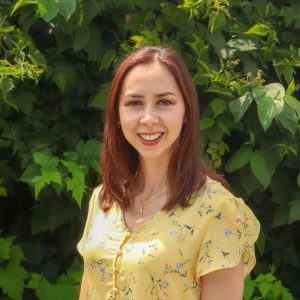
 

Amara Wong (she/her)

Supports: Bachelor of Arts, Bachelor of Arts in Global Development Studies, Bachelor of Integrated Studies, Associate of Arts, Liberal Arts diploma, General Studies diploma, and various College of Arts certificates.

Amara’s journey into advising began right here at UFV. As a student, she worked at the front desk of the Academic Advising Centre through a work-study position. Watching advisors guide students with care and expertise left a lasting impression — and inspired her career path.

What she loves most about her role is helping students achieve their goals while easing their concerns. For Amara, the real reward is building relationships and watching students grow into confident, capable graduates.

Her advice to students? “Don’t rush to figure everything out. Explore. Discover what you’re passionate about. If you enjoy what you study, the career path will follow.”

She believes your degree is not just about an endpoint — it’s about meaningful exploration.
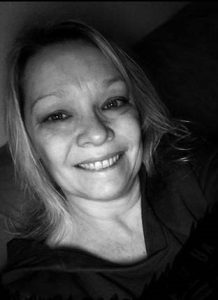
 

Eve Mix (she/her)

Supports: Bachelor of Arts, Bachelor of Arts in Global Development Studies, Bachelor of Integrated Studies, Associate of Arts, Liberal Arts diploma, General Studies diploma, various College of Arts certificates, Bachelor of Fine Arts, and Bachelor of Media Arts.

Eve’s path to advising was shaped by her love of working directly with students. After moving into a behind-the-scenes role at a previous institution, she realized she deeply missed student interaction. Advising became the natural next step.

She finds joy in those “aha!” moments — when students connect the dots, gain clarity, and begin to thrive. Watching them step confidently into their goals is what makes her work so fulfilling.

Her message to students: “Trust yourself and follow your dreams. It’s your life and your education — do what you love.”

Eve’s approach is rooted in empowerment and self-trust.
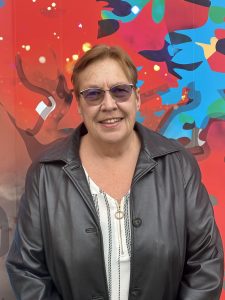
 

Julia Shuker (she/her)

Supports: Bachelor of Integrated Studies, General Studies Diploma, Bachelor of Arts.

Julia sees advising as an extension of her teaching. When offered the opportunity to work in advising, she embraced it as a way to better support her students’ dreams and academic paths.

The most meaningful part of her role? Watching students grow in confidence — from their first uncertain steps to graduation day and beyond. Hearing from former students about their careers continues to inspire her.

Guided by the wisdom of her Elders, she shares this powerful reminder: “Asking for help is not a sign of weakness — it is a sign of strength.”

Julia encourages students to embrace the UFV community and remember: you are never alone in your journey.
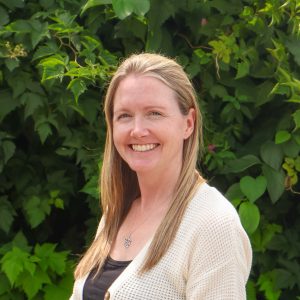
 

Kirsten Trustham (she/her)

Supports: Bachelor of Arts, Bachelor of Arts in Global Development Studies, Bachelor of Integrated Studies, Associate of Arts, Liberal Arts diploma, General Studies diploma, and various College of Arts certificates.

Kirsten is driven by a deep belief in the transformative power of education. For her, learning is about more than knowledge — it’s about confidence, purpose, and opportunity.

She finds meaning in helping students navigate transitions and discover their potential. Supporting students through challenges and decisions is where her passion shines.

Her advice: “Get involved. Join clubs, attend events, collaborate, explore opportunities beyond the classroom.”

She believes engagement builds community, strengthens skills, and makes the university experience richer and more connected.
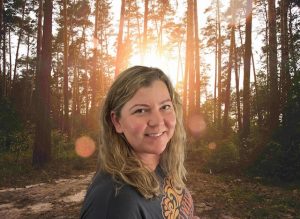
 

Shannon Draney (she/her)

Supports: Bachelor of Arts, Bachelor of Arts in Global Development Studies, Bachelor of Integrated Studies, Associate of Arts, Liberal Arts diploma, General Studies diploma, and various College of Arts certificates.

Shannon discovered her passion for advising while working in various university roles. She realized she felt most fulfilled when working directly with students — helping them navigate their educational journeys and explore passions and life goals.

The most rewarding part of her work? Witnessing students achieve their educational and career dreams.

Her three pieces of advice:

  • Explore unfamiliar areas of study — you may discover a hidden passion.
  • Asking for help is a strength.
  • Take time to enjoy the university experience.

Shannon believes your degree should be both meaningful and memorable.
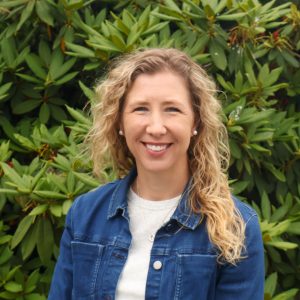
 

Vanessa Krahn

Supports: Bachelor of Arts, Bachelor of Arts in Global Development Studies, Bachelor of Integrated Studies, Associate of Arts, Liberal Arts diploma, General Studies diploma, various College of Arts certificates, Bachelor of Fine Arts, and Bachelor of Media Arts.

Vanessa was inspired to become an advisor through her desire to support students academically, personally, and professionally. She understands how powerful guidance can be during moments of uncertainty.

What motivates her daily is seeing students move from doubt to confidence — choosing paths, overcoming challenges, and celebrating milestones.

Her advice: “Stay curious. Be open to exploration. Your degree is not just a destination — it’s about developing adaptability, self-awareness, and transferable skills.”

Vanessa encourages students to seek support early and trust that their path can evolve.


How to Book an Appointment

Academic Advisors are available in-person, over Zoom, by phone or by email. Students can book appointments by visiting their myUFV account and look for the My Advisor card.  Alternatively they can visit: ufv.ca/advising or email: advising@ufv.ca

Advising offices are located at:

Abbotsford Campus – S3117, SUB 3rd floor
604-864-4674

Chilliwack CEP Campus – A1318 (across from the library)
604-795-2808

Whether you have a quick question or need help mapping out your entire academic journey, the College of Arts advising team is here to help you move forward with clarity and confidence.

You don’t have to navigate university alone.

February 2026 News | Faculty Projects, Interviews and Publications

February 2026 News at the College of Arts

Check out what our faculty at the College of Arts have been up to.

From exciting projects to new publications, read more about their work and connect with us to learn more about the College of Arts.

🤳 Follow us on Instagram

💼 Follow us on LinkedIn

📥 Subscribe to our Arts Newsletter

College of Arts

Dr. Wade Deisman, Associate Dean, Social Sciences was interviewed by CBC’s BC Today to take questions and comments on public concerns in Abbotsford regarding extortion and community safety. Listen here.

Criminology and Criminal Justice

Dr. Amanda McCormick, Associate Professor, and Irwin Cohen, Associate Professor, co-authored an article on intimate partner violence published in The Prison Journal. Read article.

Dr. Carlos Ponce, Associate Professor, was interviewed by Valor Econômico on President Nayib Bukele’s security strategy in El Salvador, discussing the limits of replicating the model and the implications for due process and rule of law. Read interview.

Dr. Mark Kersten, Assistant Professor, was interviewed by CBC News regarding Immigration and Customs Enforcement (ICE) offices operating in Canada. Read article.

Arts & Integrated Studies

Dr. Dale McCartney, Associate Professor, presented research in the Federation of Post-Secondary Educators of BC (FPSE) webinar “Paying the Price for Marketization: The International Student “Crash” and Post-Secondary Education in BC”, examining the evolution of international student policy, differential tuition fees, and the broader implications for public post-secondary education in British Columbia.

Political Science

Dr. Noah Schwartz, Assistant Professor, shared expert analysis on Canada’s federal gun buyback program on the Closer Look Podcast, discussing its public safety implications and broader gun control debates. Watch episode.

Dr. Noah Schwartz, Assistant Professor, was also quoted in The Globe and Mail on Halifax Police participation in the federal gun buyback program. Read article.

Dr. Edward Akuffo, Associate Professor, was featured in the award-winning article How Edward Akuffo’s Curiosity Sparked New International Relations, written by Josh Kozelj, which received a Silver Award in the Best Multicultural Story category at the Canadian Online Publishing Awards. Read the article here.

Jan 2026 News | Faculty Projects, Interviews and Publications

Media interview

January 2026 News at the College of Arts

Check out what our faculty at the College of Arts have been up to.

From exciting projects to new publications, read more about their work and connect with us to learn more about the College of Arts.

🤳 Follow us on Instagram

💼 Follow us on LinkedIn

📥 Subscribe to our Arts Newsletter

College of Arts

Dr. Wade Deisman, Associate Dean, Social Sciences, was interviewed by multiple media outlets addressing extortion-related crime and public safety issues in British Columbia, providing expert analysis across Global News, CBC, 730 CKNW, and Omni News.

Political Science

Dr. Noah Schwartz, Assistant Professor, was featured in multiple national media outlets discussing gun policy and public safety, including CBC News, Global National, CanadaLand, and the UFV podcast Conversations with Dr. David Dobson.

Dr. Edward Akuffo, Department Head and Associate Professor, contributed to a Senate Committee on Foreign Affairs and International Trade report advocating for Africa as a strategic priority for Canadian foreign and trade policy, building on earlier House of Commons testimony.

Philosophy

Dr. Glen Baier, Associate Professor, published the article Nature and the Orgiastic: Reading Nietzsche’s “Birth of Tragedy” in the Shadow of the Anthropocene in Estetica. Studi e Ricerche (2/25), exploring ecological themes through contemporary philosophical analysis.

School of Culture, Media and Society (SCMS)

Kathleen Rodgers, Professor, co-authored the book chapter #MENSTRUATION: Instagram Users Resisting Menstrual Stigma with Samarah Hodge in Northern Blood: The Politics of Menstruation in Canada (McGill-Queen’s University Press, 2026), a national collaborative volume addressing menstrual equity and justice in Canada.

Nawal Musleh-Motut, Assistant Professor, appeared as a guest on the Ignite My Voice: Becoming Unstoppable podcast, discussing genocide, privilege, and public learning in two episodes titled “Understanding Genocide: Privilege and Perception and Gaza” and “Genocide Part 2: The Unfiltered Truth About Privilege and Learning”.

Nov-Dec 2025 News | Faculty Projects, Interviews and Publications

media appearance

November and December News at the College of Arts

Check out what our faculty at the College of Arts have been up to.

From exciting projects to new publications, read more about their work and connect with us to learn more about the College of Arts.

🤳 Follow us on Instagram

💼 Follow us on LinkedIn

📥 Subscribe to our Arts Newsletter

College of Arts

Wade Deisman, Associate Dean, Social Sciences, was interviewed by multiple national and regional media outlets regarding public discourse surrounding the extortion crisis affecting several Indo-Canadian communities across Canada. Media appearances included CBC’s ‘The Current’ with Matt Galloway, CBC Abbotsford bureau with Baneet Braich, CBC ‘The Early Edition’ with Stephen Quinn, CBC News Article (Abbotsford), CKNW – Jill Bennet Show, CBC Townhall Event,  CBC ‘On the Coast’ with Gloria Macarenko, CBC News Article (Surrey), and  another interview with Gloria Macarenko – CBC ‘On The Coast’.


Political Science

Edward Akuffo, Associate Professor and Department Head, was interviewed by CBC – The National on Canada’s G20 priorities and the country’s evolving Canada–Africa Strategy.


School of Culture, Media and Society (SCMS)

Nicola Mooney, Professor, was interviewed by The Globe and Mail on her expertise in South Asian cuisine and its influence on fast-food restaurant menus (November 15, 2025).

Michael Corman, Associate Professor, Sociology, published the article Towards sociological praxis in paramedic education – A response to Hill and Campbell, which challenges the dominance of biomedical perspectives and highlights the impact of the hidden curriculum in paramedic education. Read article

Sarah Beaulieu, Associate Professor, was interviewed by Global News as part of coverage on the exhumation of Alma Beaulieu’s remains from the former St. Joseph Residential School in Fort Resolution, Northwest Territories. Watch segment


Criminology and Criminal Justice (CRIM)

Irwin Cohen, Associate Professor; Amanda McCormick, Associate Professor; and Zina Lee, Associate Professor, co-authored the report Policing Interactions with Persons with Mental Illness in RCMP Jurisdictions in British Columbia, produced for the Office of Crime Reduction – Gang Outreach through the Centre for Public Safety and Criminal Justice Research.

Irwin Cohen, Associate Professor, and Darryl Plecas, Professor Emeritus, co-authored the report Mental Health Crisis Co-Response Models in British Columbia for the British Columbia Crime Reduction Research Program through the Centre for Public Safety and Criminal Justice Research. Read report

Yvon Dandurand, Professor Emeritus, published the journal article Rebooting International Criminal Justice Cooperation Against Illicit Trade and Financial Crime in the Journal of Illicit Trade, Financial Crime, and Compliance.

Yvon Dandurand, Professor Emeritus, was a guest speaker at the 6th International Congress on Restorative Justice and Therapeutic Justice in San José, Costa Rica, presenting Restorative and Therapeutic Justice, Desistance from Crime, and the Reintegration of the Offender.

Yvon Dandurand, Professor Emeritus, was also a guest speaker at the X Ibero-American Congress of Therapeutic Justice and the I Ibero-American Congress of Restorative Justice in Rio de Janeiro, Brazil, presenting Justicia restaurativa y terapéutica, desistimiento del delito y reintegración de ofensores (with S. Porta).

Sociology With Heart: Spotlight on Dr. Sol Underwood

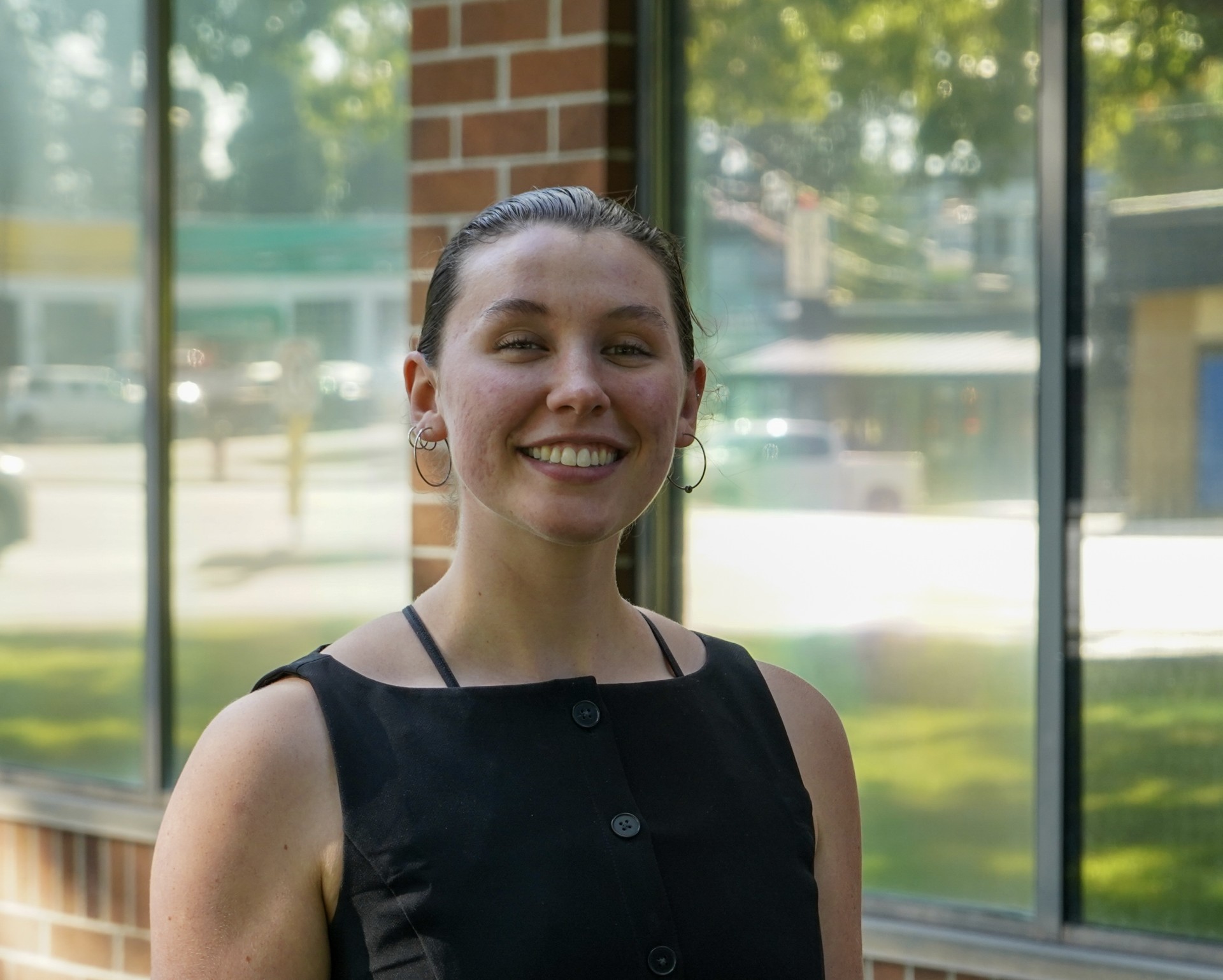
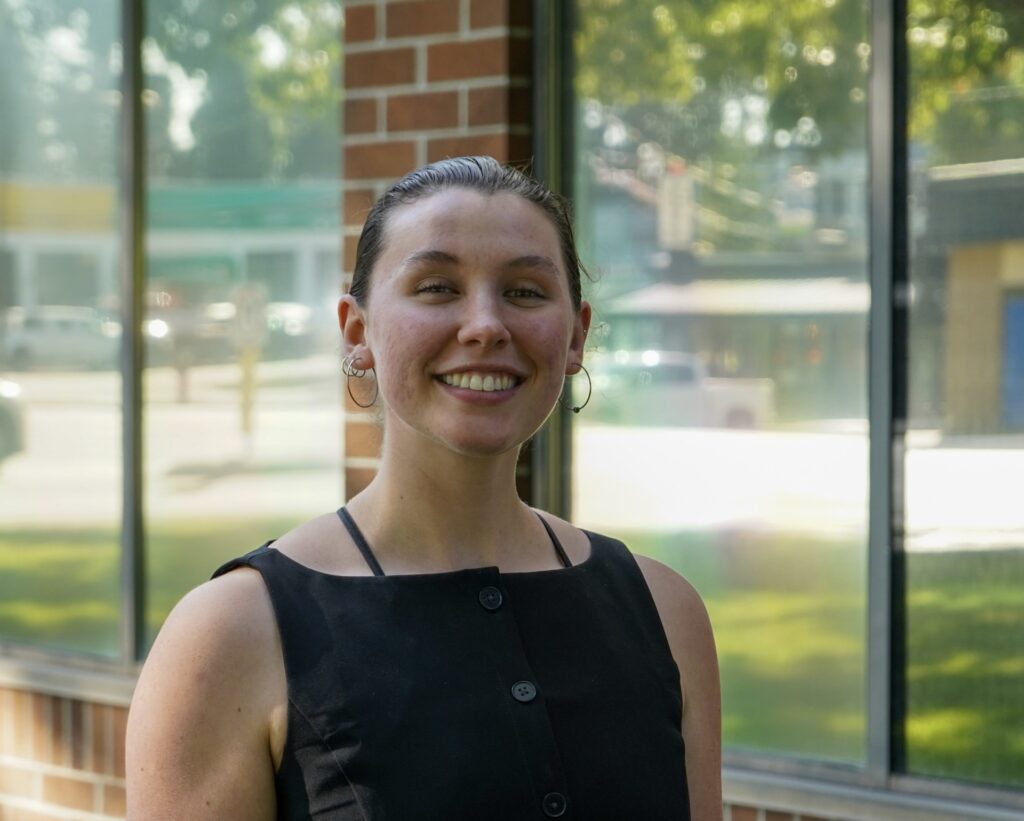
Sol Underwood picture

Sociology With Heart: Spotlight on Dr. Sol Underwood

Sol Underwood pictureFor Dr. Sol Underwood, sociology isn’t just an academic discipline. It’s a way of seeing the world that illuminates everyday experiences, reveals hidden structures, and helps people understand why life feels the way it does. Sol’s teaching style is rooted in empathy and accessibility; Sol works tirelessly to meet students where they are, accommodating their individual learning needs and helping them connect sociological concepts to their own lives in meaningful, transformative ways.

As a Sessional Instructor in the School of Culture, Media, and Society, Dr. Underwood continues to bring compassion, curiosity, and a deep sense of purpose to her work. We interviewed Sol to learn more about the values Dr. Underwood hopes to pass on to students.

College of Arts: Welcome to the College of Arts! Could you start by sharing a bit about your journey as an educator?

Sol: My journey as an educator goes back several decades. In the early years, I worked as a peer tutor at the Douglas College Learning Centre and the SFU Learning Commons, where I was trained in one-on-one instruction. At the University of Toronto, I worked as a teaching assistant for many years before training with Dr. Christian Caron in an upper-year PhD pedagogy seminar. I have since taught courses ranging from sociological theory to 2SLGBTQI+ families, as well as core courses in the sociology of families, gender, and sexualities, with a particular lens on race, class, and gender.

College of Arts: What inspired you to specialize in your field?

Sol: As an undergraduate student, I designed a directed readings course on gay fathers under the supervision of Dr. Travers at Simon Fraser University. At the time, it was difficult to find literature on this topic. I was also determined to become a queer parent myself, yet I had no models of gay fathers in my life. Given this, I set out to research the social conditions of co-parents who were both assigned male at birth.

College of Arts: What do you hope your students take away from your classes?

Sol: I have a deep love for sociology because it has offered me so much insight into what makes life challenging. It has also offered key lessons on how to transform my social context to make it more responsive and navigable, especially for people like me whose lives operate on the margins of our social structures. My great hope as a teacher is to share these lessons and inspire students to make use of sociology in their own professional and personal careers.

College of Arts: Reflecting on your career so far, what has been the most rewarding aspect of being an educator?

Sol: I am most rewarded by small moments with my students: when I see them advocating for themselves, when their eyes light up with the courage to ask for help, and when they apply sociological lessons to their own lives. Most rewarding of all is when I hear them describe how their training in sociology has inspired and empowered them to pursue their ambitions beyond the classroom.

College of Arts: If you could leave a lasting message or piece of advice for your students and community, what would it be?

Sol: Strong students ask for help.


Dr. Underwood teaches with a blend of clarity, compassion, and presence. Sol’s classrooms are places where students feel seen, supported, and encouraged to connect academic ideas with their lived experiences. Dr. Underwood reminds learners that sociology is not just the study of society — it’s a toolkit for understanding ourselves and for reshaping the world into something more humane, inclusive, and just.

Dr. Underwood’s message is both simple and powerful: asking for help is a sign of strength. And in the classroom, students learn that strength, empathy, and curiosity can guide them not only through their studies, but through life.