
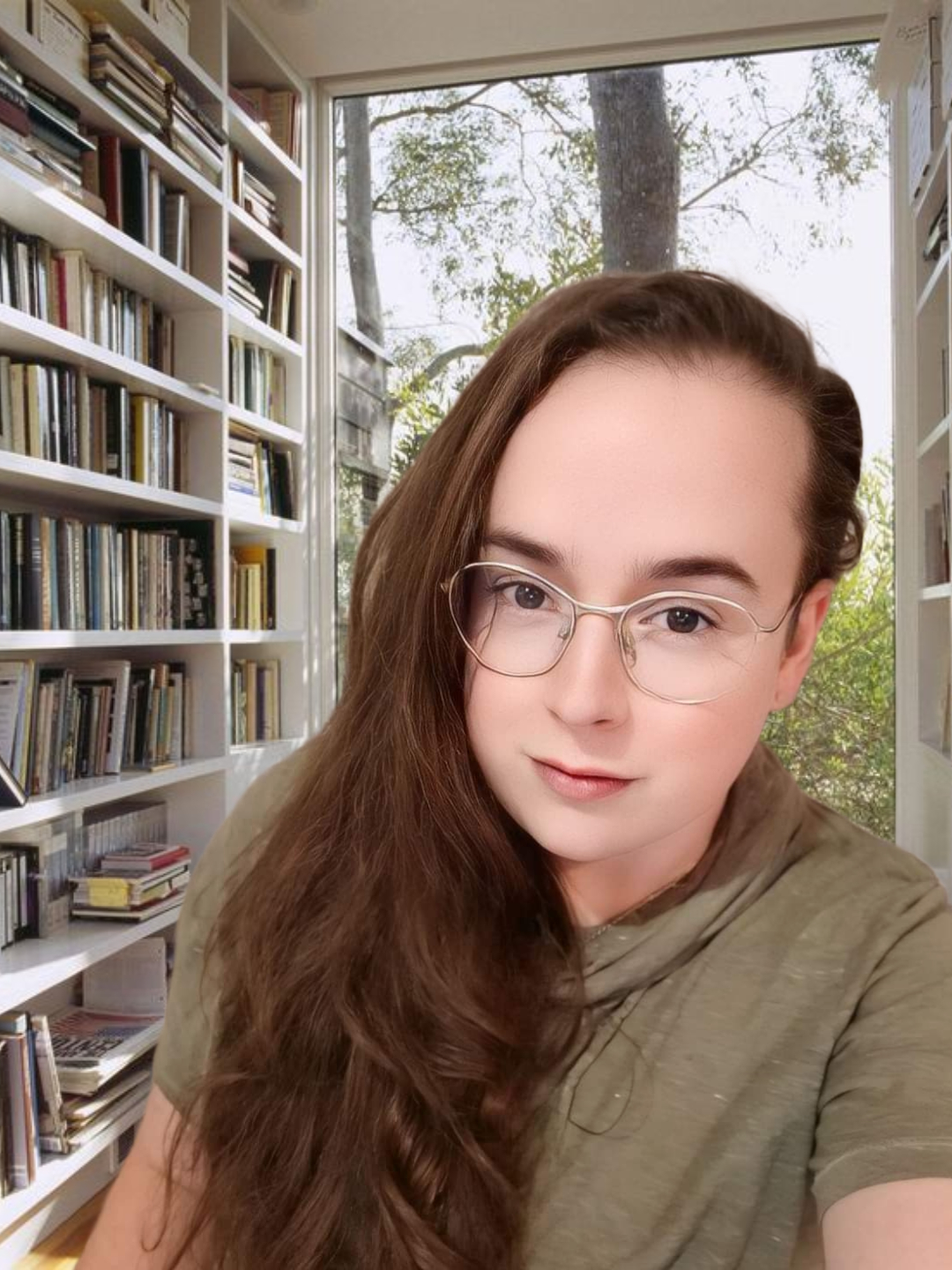
Sociology With Heart: Spotlight on Dr. Sol Underwood

Sol Underwood picture

Sociology With Heart: Spotlight on Dr. Sol Underwood
Sol Underwood pictureFor Dr. Sol Underwood, sociology isn’t just an academic discipline. It’s a way of seeing the world that illuminates everyday experiences, reveals hidden structures, and helps people understand why life feels the way it does. Sol’s teaching style is rooted in empathy and accessibility; Sol works tirelessly to meet students where they are, accommodating their individual learning needs and helping them connect sociological concepts to their own lives in meaningful, transformative ways.

As a Sessional Instructor in the School of Culture, Media, and Society, Dr. Underwood continues to bring compassion, curiosity, and a deep sense of purpose to her work. We interviewed Sol to learn more about the values Dr. Underwood hopes to pass on to students.

College of Arts: Welcome to the College of Arts! Could you start by sharing a bit about your journey as an educator?

Sol: My journey as an educator goes back several decades. In the early years, I worked as a peer tutor at the Douglas College Learning Centre and the SFU Learning Commons, where I was trained in one-on-one instruction. At the University of Toronto, I worked as a teaching assistant for many years before training with Dr. Christian Caron in an upper-year PhD pedagogy seminar. I have since taught courses ranging from sociological theory to 2SLGBTQI+ families, as well as core courses in the sociology of families, gender, and sexualities, with a particular lens on race, class, and gender.

College of Arts: What inspired you to specialize in your field?

Sol: As an undergraduate student, I designed a directed readings course on gay fathers under the supervision of Dr. Travers at Simon Fraser University. At the time, it was difficult to find literature on this topic. I was also determined to become a queer parent myself, yet I had no models of gay fathers in my life. Given this, I set out to research the social conditions of co-parents who were both assigned male at birth.

College of Arts: What do you hope your students take away from your classes?

Sol: I have a deep love for sociology because it has offered me so much insight into what makes life challenging. It has also offered key lessons on how to transform my social context to make it more responsive and navigable, especially for people like me whose lives operate on the margins of our social structures. My great hope as a teacher is to share these lessons and inspire students to make use of sociology in their own professional and personal careers.

College of Arts: Reflecting on your career so far, what has been the most rewarding aspect of being an educator?

Sol: I am most rewarded by small moments with my students: when I see them advocating for themselves, when their eyes light up with the courage to ask for help, and when they apply sociological lessons to their own lives. Most rewarding of all is when I hear them describe how their training in sociology has inspired and empowered them to pursue their ambitions beyond the classroom.

College of Arts: If you could leave a lasting message or piece of advice for your students and community, what would it be?

Sol: Strong students ask for help.


Dr. Underwood teaches with a blend of clarity, compassion, and presence. Sol’s classrooms are places where students feel seen, supported, and encouraged to connect academic ideas with their lived experiences. Dr. Underwood reminds learners that sociology is not just the study of society — it’s a toolkit for understanding ourselves and for reshaping the world into something more humane, inclusive, and just.

Dr. Underwood’s message is both simple and powerful: asking for help is a sign of strength. And in the classroom, students learn that strength, empathy, and curiosity can guide them not only through their studies, but through life.
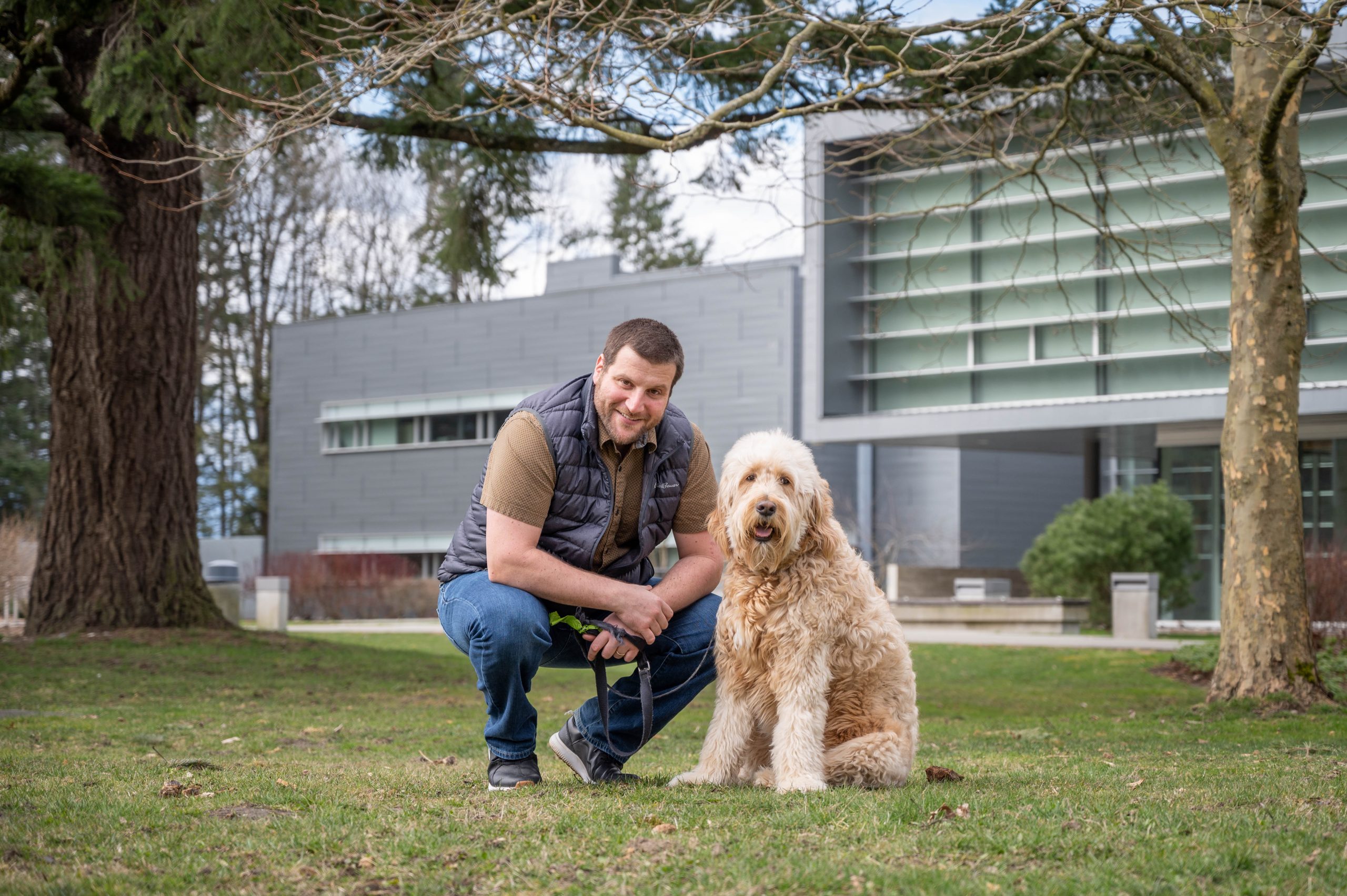
Where can a BA degree lead you? Our inspiring convo with Dr. Corman

Dr. Michael Corman is an Assistant Professor of Sociology in the Department of Social, Cultural and Media Studies at the University of the Fraser Valley. Dr. Corman’s research and teaching interests include a variety of topics that intersect with the sociological study of health, illness, and society.
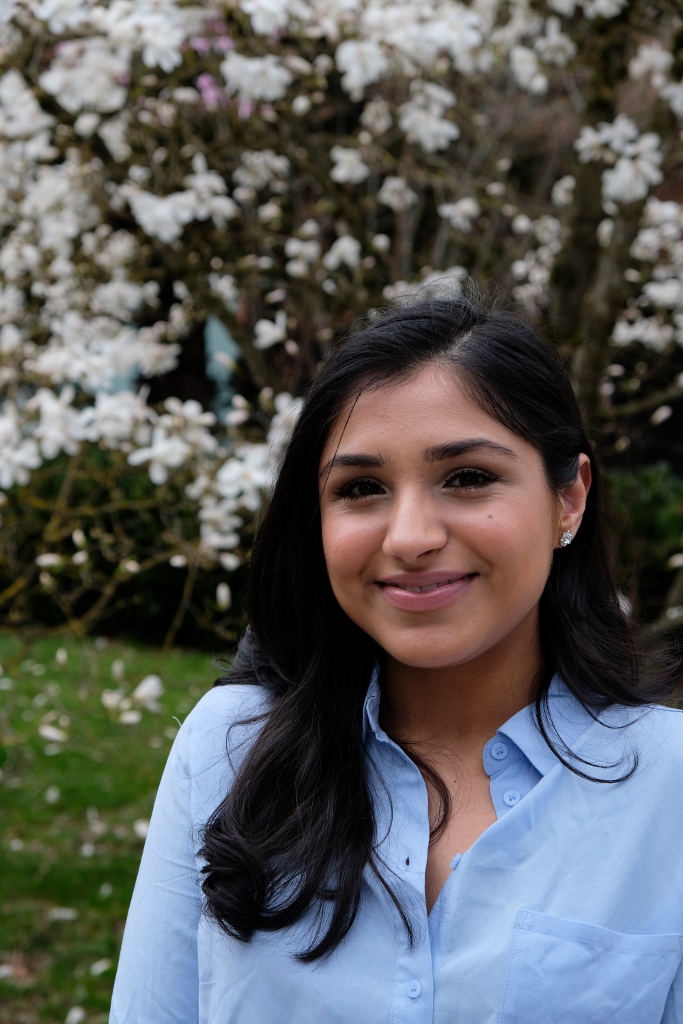
As students embark on their academic journey, it’s not always clear where their degree may lead them or what opportunities they’ll encounter along the way. To learn more about what a Bachelor of Arts degree can offer students, we spoke with Dr. Michael Corman, Assistant Professor of Sociology at UFV, about his intriguing career path.

Watch the full, unedited interview:

[embedyt] https://www.youtube.com/watch?v=-Is0TQaITdw[/embedyt]


What do you like the best about your work?

I love teaching. I love being in the classroom. I love seeing my student’s faces. I also love learning from my students. We have an extremely diverse student body here at UFV which is such a huge asset both as fellow students but also as academics and as professors.

I also love research. What I do for a living in terms of research is that I listen to people and I observe people. How cool is that?

What surprises you about your career?

One of the things, I guess is surprising is how diverse my job is. I teach, I work with medical doctors in Ireland, I publish and do research with nurses, I have students who are so interesting and come from different places and I can learn from their lived experiences. So the ever-changing-ness of what I do for a living.

I’ve taught Introduction to Sociology for almost thirteen years now and it’s never the same. I’m never ever bored.

What are the major factors that contributed to your career choice in sociology?

Social change and social justice

How have your personal values impacted your work?

I have been raised to think about social justice, to challenge inequalities and, of course, this is the underpinnings of sociology . . . to make change, to challenge social inequalities, to challenge power relations that benefit the few and the powerful. So, part of my own values made me align with what I do for a living right now, which is to teach sociology.

What is your preferred learning style and why?

I love to be able to put knowledge into practice. So experiential learning. I love listening to profs and reading content but also to be able to apply it.

In terms of my own teaching, putting content into practice is the major “so what” of what I try to do. Trying to teach my students “why does this matter to you.”

I try to engage both as a learner and as a teacher. I try to create an environment in my classroom that is less hierarchical and more conducive to collaboration and discussion so we can learn together.

What makes you feel successful in your work as a sociologist?

Once in a while, I’ll get emails from my students that say, “Mike, it’s your class that encouraged me to do a sociology degree or go on to my Masters or PhD.” And that brings one of the biggest joys to my life.

When did you know that you were good at what you do?

Generally, I think if you like or love what you do, sometimes you can be thought of being good at what you do. But getting feedback from my colleagues and my students to me was that moment where I was like, “I think I’m okay at this.”

So what are you reading right now?

Upstream Medicine. It’s geared towards making change beyond the clinic to making change in society.

Describe a place that impacted you and what was impactful about it?

Doha, Qatar. My first professorship. Being exposed to such diversity and difference. It really hit me in the face and really made me a better sociologist.

When you think of the future, what do you dream of?

I dream of a more equitable society. A society that challenges inequality, challenges racism, classism, sexism and ageism and all these different axes of inequalities that really we’re seeing today but have been underlying and present historically as well.

To me, what I do for a living is ever more important. I see and I hope for a more equitable world based on principles of social justice. A more generous way of organizing society.

Helping high school students navigate racial identity

Helping high school students navigate racial identity


Anecia Gill, Sociology BA 2017

By creating an anti-racism mentorship workshop that she intends to deliver at Abbotsford high schools this fall, Anecia Gill was able to combine her passions for social theory and her hometown.

Gill’s family has lived in Abbotsford for over 100 years and she feels a strong connection to this place. She is also drawn to sociology thanks to her mother, who took a degree in the same field and had all of her old textbooks on the family bookshelf. Gill completed her own Bachelor of Arts in Sociology at UFV this spring and in her final year she created the workshop in a directed study with Dr. Katherine Watson.

Inspired by critical race theory (DuBois, Fanon), which outlines the complexities of non-white racial identity, she wanted to help young people in Abbotsford navigate this complicated terrain.

“The root of this is the racism they face,” she says. “I’m hoping that I can help explain . . . and legitimize their experiences so that they can better understand themselves and how they fit within society.” Gill notes that when people have theoretical knowledge and vocabulary, they can better articulate their experiences and advocate for themselves within their communities.

Schools, she says, have had a long history acting as gatekeepers for legitimate knowledge, so offering an after-school workshop that attempts to critique power structures seemed like the ideal place. Her intention is for the program to help decolonize and validate non-white identity by legitimizing and supporting the lived realities of non-white students, in particular, Indo-Canadian youth, whom the program targets.

She admits that she can’t teach high school students the ins and outs of critical race theory in five days, but she wants to spark their interest. And in doing so, she hopes to give youth some helpful tools to understand and negotiate their racial identity.

For a taste of what students will learn, check out Gill’s course outline:

Day one: Cultural hegemony and power knowledge – Gramsci and Foucault

Day two: Critical Race Theory – Du Bois and Fanon

Day three: Brown experiences of racism – Said

Day four: Intersectionality of race and gender: a critique of imperialist feminism

Day five: Wrap-up discussion