
Sociology With Heart: Spotlight on Dr. Sol Underwood

Sol Underwood picture

Sociology With Heart: Spotlight on Dr. Sol Underwood
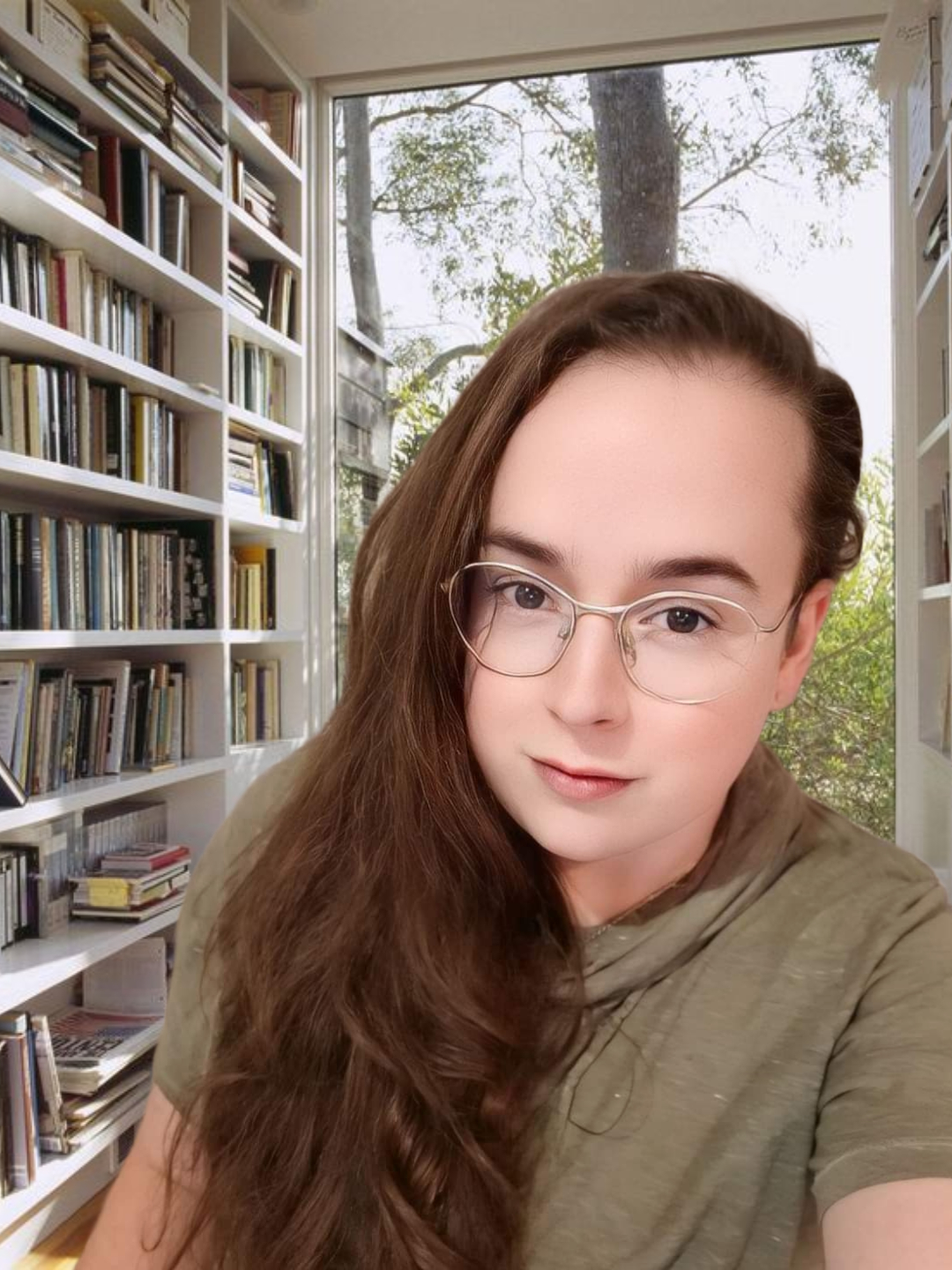
Sol Underwood pictureFor Dr. Sol Underwood, sociology isn’t just an academic discipline. It’s a way of seeing the world that illuminates everyday experiences, reveals hidden structures, and helps people understand why life feels the way it does. Sol’s teaching style is rooted in empathy and accessibility; Sol works tirelessly to meet students where they are, accommodating their individual learning needs and helping them connect sociological concepts to their own lives in meaningful, transformative ways.

As a Sessional Instructor in the School of Culture, Media, and Society, Dr. Underwood continues to bring compassion, curiosity, and a deep sense of purpose to her work. We interviewed Sol to learn more about the values Dr. Underwood hopes to pass on to students.

College of Arts: Welcome to the College of Arts! Could you start by sharing a bit about your journey as an educator?

Sol: My journey as an educator goes back several decades. In the early years, I worked as a peer tutor at the Douglas College Learning Centre and the SFU Learning Commons, where I was trained in one-on-one instruction. At the University of Toronto, I worked as a teaching assistant for many years before training with Dr. Christian Caron in an upper-year PhD pedagogy seminar. I have since taught courses ranging from sociological theory to 2SLGBTQI+ families, as well as core courses in the sociology of families, gender, and sexualities, with a particular lens on race, class, and gender.

College of Arts: What inspired you to specialize in your field?

Sol: As an undergraduate student, I designed a directed readings course on gay fathers under the supervision of Dr. Travers at Simon Fraser University. At the time, it was difficult to find literature on this topic. I was also determined to become a queer parent myself, yet I had no models of gay fathers in my life. Given this, I set out to research the social conditions of co-parents who were both assigned male at birth.

College of Arts: What do you hope your students take away from your classes?

Sol: I have a deep love for sociology because it has offered me so much insight into what makes life challenging. It has also offered key lessons on how to transform my social context to make it more responsive and navigable, especially for people like me whose lives operate on the margins of our social structures. My great hope as a teacher is to share these lessons and inspire students to make use of sociology in their own professional and personal careers.

College of Arts: Reflecting on your career so far, what has been the most rewarding aspect of being an educator?

Sol: I am most rewarded by small moments with my students: when I see them advocating for themselves, when their eyes light up with the courage to ask for help, and when they apply sociological lessons to their own lives. Most rewarding of all is when I hear them describe how their training in sociology has inspired and empowered them to pursue their ambitions beyond the classroom.

College of Arts: If you could leave a lasting message or piece of advice for your students and community, what would it be?

Sol: Strong students ask for help.


Dr. Underwood teaches with a blend of clarity, compassion, and presence. Sol’s classrooms are places where students feel seen, supported, and encouraged to connect academic ideas with their lived experiences. Dr. Underwood reminds learners that sociology is not just the study of society — it’s a toolkit for understanding ourselves and for reshaping the world into something more humane, inclusive, and just.

Dr. Underwood’s message is both simple and powerful: asking for help is a sign of strength. And in the classroom, students learn that strength, empathy, and curiosity can guide them not only through their studies, but through life.

From Superheroes to Modern Fiction: A Conversation with Dr. Ron Sweeney

Ron headshot

From Superheroes to Modern Fiction: A Conversation with Dr. Ron Sweeney

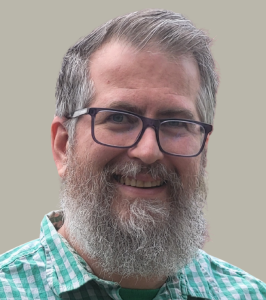
Ron headshotDr. Ron Sweeney, Assistant Professor in the English department, is far from new to UFV. In fact, he has been a dedicated instructor in English UFV for nearly 15 years, guiding students through foundational courses and helping them discover their academic foundation.
With a passion for literature in all its forms — from modern novels to digital texts, comics, and the narrative worlds of superheroes — Dr. Sweeney brings a creative, expansive, and deeply student-centered approach to the study of storytelling. This fall, he was teaching English 105, English 170c: Understanding Comics, English 270h: The Superhero, and courses in 20th-century American literature, with aspirations one day to teach video games as literature.

We’ve asked Dr. Sweeney about his journey, his inspirations, and the joy he finds in watching students grow into confident, thoughtful readers and writers. Check it out!

College of Arts: Could you start by sharing a bit about your journey as an educator?

Ron: I joined the English department right around the time that UFV transitioned into a full university. I’ve really enjoyed my team here at UFV and I can’t wait to be even more involved in the coming years.
As a teacher here, I’ve worked with a lot of first year students and I’m really proud of my role in helping them find their place at our university.

College of Arts: What inspired you to specialize in your field?

Ron: I’ve always loved reading. That continued that through my education as an undergrad and then through my PhD. Program. I’ve developed great relationships here on campus with people through this, exchanging book recommendations and theories with colleagues across the disciplines.
In my own academic work, I was particularly interested in books (and book-like things) which used their pages in different ways. This was everything from poetry and novels to digital literature and eventually comics.

College of Arts: What do you hope your students take away from your classes?

Ron: I want students to develop a deeper sense of who they are and to be able to think critically about the world around them. The study of stories and storytelling tells us a lot about ourselves and how we view the world. And whether it is stories of superheroes in comics and film, or bleak visions of apocalyptic wastelands, or fantasy visions of a world before, there’s something in these stories for us today.

College of Arts: Reflecting on your career so far, what has been the most rewarding aspect of being an educator?

Ron: Seeing the growth in thinking and the work that students create. There’s a lot of students who come here with a lot of doubt, especially about writing. And we’ve been through a stressful time. Seeing them growing in confidence and finding their voices is what it is all about.

College of Arts: If you could leave a lasting message or piece of advice for your students and community, what would it be?

Ron: This university is here to support you: ask for help. And read some comics. We have some good ones available at the library here! Or come borrow one from me.


Dr. Ron Sweeney’s long-standing commitment to UFV, combined with his imaginative approach to literature and storytelling, makes him a powerful mentor for students learning to think critically, express themselves, and explore new worlds through reading. His passion for connecting students with stories — whether traditional novels, digital texts, or the dynamic universe of comics — continues to shape classrooms where curiosity grows and confidence takes root. His dedication to helping students find their voice remains at the heart of his teaching.

Why the Past Matters: Meet Dr. Sebastian Huebel

Sebastian Headshot

Why the Past Matters: Meet Dr. Sebastian Huebel

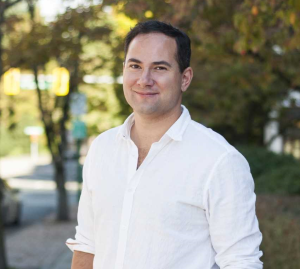
Sebastian HeadshotSome people fall in love with history through books. Others through classrooms, artifacts, or archival discoveries. For Dr. Sebastian Huebel, it started with the simple wonder of childhood — objects tucked away in his great-grandmother’s home, pieces of the past that whispered stories he wanted to understand.
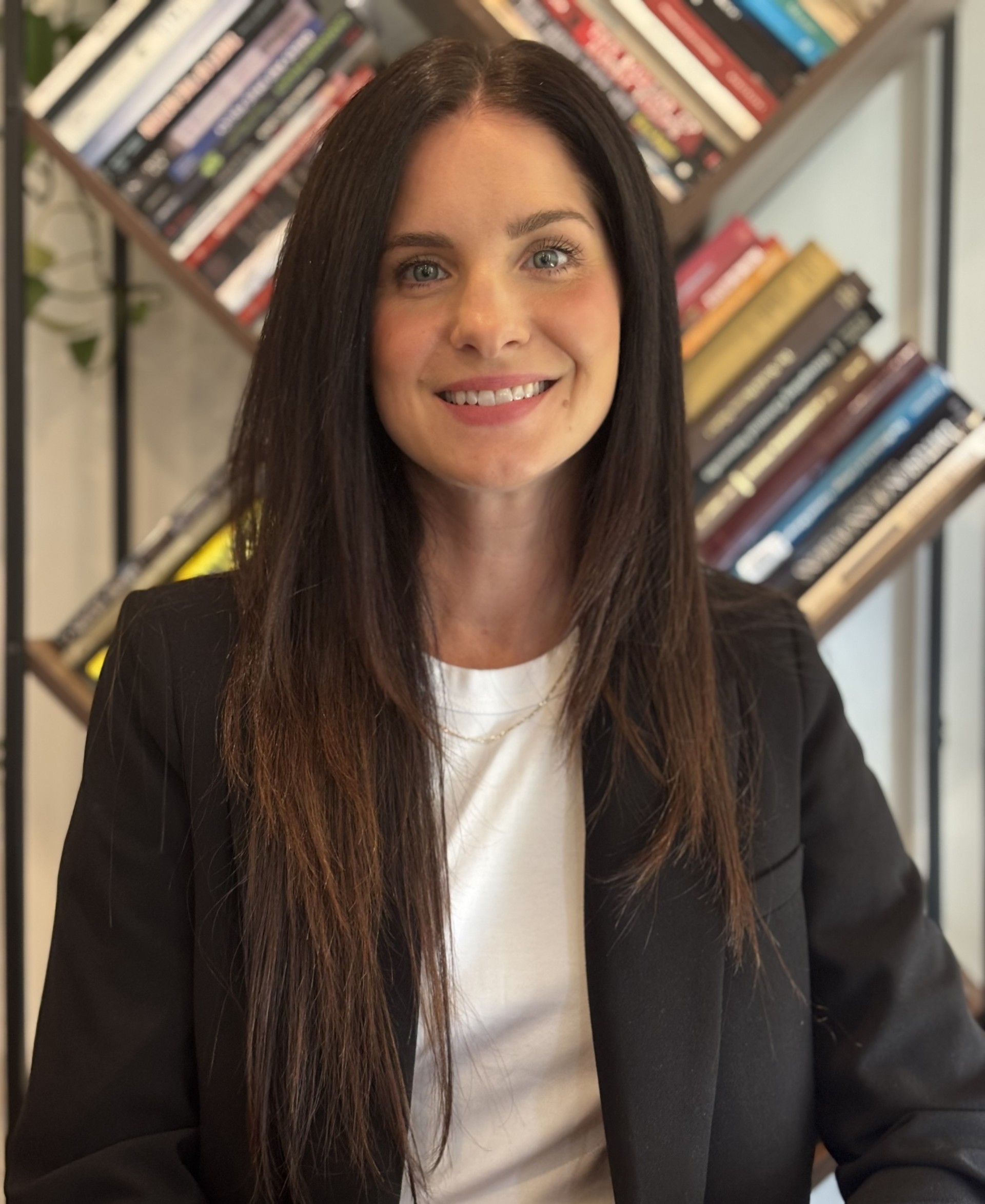
That early curiosity grew into a lifelong commitment to examining how humans have lived, acted, and shaped one another across time. Since joining UFV in 2018, Dr. Huebel has become a thoughtful and deeply dedicated instructor in the Department of History. Now, as Assistant Professor, he teaches courses ranging from broad surveys of world history to advanced seminars on genocide, violence, and societal transformation.

We spoke with Dr. Huebel about his journey, the questions that drive his work, and why understanding the past matters now more than ever. Check his answers below!

College of Arts: Could you start by sharing a bit about your journey as an educator?

Sebastian: I was lucky to land two teaching jobs shortly after completing my PhD in 2017. I have been at UFV since 2018, first as a Sessional, then as an LTA instructor.

College of Arts: What inspired you to specialize in your field?

Sebastian: I have been fascinated by old things for a long time, be it stuff laying around my great-grandmother’s place or museum artefacts. This childish curiosity consolidated into a more general interest into the myriad ways humans have lived in the past and how cultural values and social norms have changed (or not), even just in the last 100 years.  Comparing past standards of living to our present lifestyles helps me better situate myself and appreciate some of the privileges of modern life that our ancestors didn’t have.  At the same time, history is not a study of progress only, and growing up in Germany, my home country, as a teenager I was drawn into seeking explanations of the darker chapters in human history to better understand what leads humans in the first place to inflict violence onto one another. It is this dichotomy – history’s pursuit of progress and improvement and the recurrent aberrations and returns into the abyss – that captivates me.

College of Arts: What do you hope your students take away from your classes?

Sebastian: Studying History has many benefits. There are the obvious yet crucial life skills that History students learn: sharpening their critical thinking skills, (especially in an age that seems to lack exactly this), learning how to read and write about complex ideas as well as to engage in critical oral debates. In my courses on violence and genocide especially, I strive for students to acquire a deeper sense of justice and human empathy, an interest in and care for fellow humans, past and present. History can open many doors for better comprehending the wonderful and equally atrocious things that humans can do. In the same vein, I also hope for students to realize how past and present times are inter-connected and how an understanding of History is relevant to present times. It sounds a bit kitschy, but I  agree with the statement that we don’t know where we are going if we don’t understand where we come from. So many of the things we do on a daily basis – maybe all – are grounded in historic experience and conventions. Why is that the man usually drives the car and the women sits in the passenger seat? Why do we do things the way we do? This is worthy of reflection.

College of Arts: Reflecting on your career so far, what has been the most rewarding aspect of being an educator?

Sebastian: Having my son in grade 2 come home from school and extend greetings from his teacher, who used to be my student at UFV.

College of Arts: If you could leave a lasting message or piece of advice for your students and community, what would it be?

Sebastian: Some social critics say we live in the dumbest of times, which is ironic because at no point in history have humans, generally speaking, been better educated. But I would certainly agree that we live in tumultuous and precarious times. Again, if we pay a bit more attention to the past, we could be better prepared to face current challenges and not repeat mistakes. And yet, we seem to be going in the opposite direction. Look how we continue destroying the environment though History keeps reminding us of the grave consequences; or how modern-day autocrats and populists with the loudest and simplest answers seem to carry the day. If we look at how dangerous such trends can be – like the current erosion of democratic principles in many countries – through a historic lens, we might make better-informed decisions. I feel that we take a functioning democracy often for granted. But it is predicated on civic participation. It is something that everyone needs to partake in for it to work. Again, History shows what happens otherwise.


Dr. Sebastian’s approach to history is grounded in curiosity, empathy, and a deep understanding of how the past shapes who we are today. His teaching encourages students not only to analyze historical events, but also to reflect on the cultural habits, values, and assumptions that guide their lives. His passion for helping students see the relevance — and urgency — of historical thinking will continue to enrich UFV classrooms and inspire future generations to look to the past with attention and purpose.

Where Theory Meets Impact: Exploring Crime, Community, and Change with Dr. Karine Descormiers

Karine's headshot

Where Theory Meets Impact: Exploring Crime, Community, and Change with Dr. Karine Descormiers

Karine's headshotThe School of Criminology and Criminal Justice is proud to have Dr. Karine Descormiers as an Assistant Professor. Beginning her journey at UFV on August 1, 2025, Dr. Descormiers brings a rare combination of rigorous academic research, public service experience, and frontline engagement with complex issues in criminal justice.

Her work spans university classrooms, government environments, school settings, and law enforcement agencies, giving her a uniquely holistic understanding of how theory and practice shape one another.

College of Arts has talked to Dr. Descormiers to learn more about her professional journey, what inspires her research, and the message she hopes to share with future criminology and criminal justice professionals. Learn more about her.

College of Arts:  Could you start by sharing a bit about your journey as an educator?

Karine: My journey as an educator has been shaped by both academia and public service. After completing my PhD in Criminology at Simon Fraser University, I remained active in teaching and research while working in school settings, government, and law enforcement. More specifically, I’ve had the privilege of developing and teaching courses at the University of Montréal and Simon Fraser University, where students appreciated how I connected classroom theory with real-world experience. In my most recent position as a Senior Research Officer for the Combined Forces Special Enforcement Unit (CFSEU-BC), our provincial anti-gang and organized crime police agency, I was frequently called upon to present new concepts and processes to the pubic in a variety of settings, to mentor colleagues, and to introduce research-based perspective to complex issue, further my ability to translate theory into practice. I have been fortunate to have the opportunity to bring practice to the classroom, and theory to practice while navigating both worlds simultaneously. Now, I am excited to return fully to academia and share these insights with the next generation of criminology and criminal justice professionals.

College of Arts:  What inspired you to specialize in your field?

Karine: From the start of my graduate studies, I have been fascinated by human behavior and the complexity of both criminal involvement and disengagement from crime. My interest has always been twofold: understanding individual criminal behavior while also examining how group processes, such as gang dynamics and peer influence, shape and reinforce trajectories. I was fortunate early in my career to have individuals share their lived realities with me, particularly during my research with gang-involved youth in custody settings in Montreal and British Columbia. Their openness revealed how deeply interconnected personal circumstances and collective dynamics are, and how often these nuances are overlooked when designing policies and programs aimed at supporting disengagement.
These experiences taught me the importance of grounding research and practice in lived experience, continuously learning from individuals whose lives are at the center of the work. Additionally, working alongside law enforcement and community partners further deepened my appreciation for how research can inform practice and policy. That intersection where scholarship meets real-world experience and challenges continues to inspire my work in Criminology and Criminal Justice.

College of Arts:  What do you hope your students take away from your classes?

Karine: I hope my students leave with a spark of my passion for learning and a daily habit of curiosity. My goal is for them to feel empowered and confident to use their analytical skills and ethical reasoning to question assumptions, challenge the field, and act as agents of a positive culture change. I hope they will see our classroom as a microenvironment where they can test concepts, processes, learn new things, and gradually grow into the individuals they aspire to be. Above all, I hope they experience the right balance of challenge and achievement, and leave inspired to contribute meaningfully to their communities

College of Arts:  Reflecting on your career so far, what has been the most rewarding aspect of being an educator?

Karine: The most rewarding aspect has been seeing students connect the dots between theory and practice and begin applying concepts to their own environments. Watching students gain confidence in their abilities, whether through research, class discussions, or professional networking opportunities has been deeply fulfilling. What makes this work especially meaningful is being part of their transformation: seeing them care about the issues, rise to challenges, respond to adversity, and take concrete steps toward their future aspirations. It is a privilege to play even a small role in their journey of growth and discovery.

College of Arts:  If you could leave a lasting message or piece of advice for your students and community, what would it be?

Karine: One of the best pieces of advice I received during my PhD came from a mentor who told me to stop worrying so much about what my academic journey should look like, or what the next step would be if I followed a traditional, and more linear path like everybody in my cohort. Instead, he said: “This is not you. What I like about you is that you have a clear understanding of who you are, and what you want. Why are you trying to live someone else’s life?” He was right. Instead of replicating ways that did not resonate with me, I decided to allow myself to design my own path along the way. I learned that I was at my best, in terms of productivity and excellence, when my work felt authentic, aligned with my values and interest.

That lesson has stayed with me, and it’s the advice I want to pass on: design your own journey, follow the opportunities that feel genuine, and embrace the process of learning. Paired with curiosity, integrity, and compassion, that mindset will not only help you grow as a professional, but also allow you to contribute to your community in a way that feels meaningful and authentic.


Dr. Karine Descormiers brings to the School of Criminology and Criminal Justice a profound appreciation for the human stories behind criminal behavior, a commitment to research grounded in lived experience, and a passion for helping students grow into thoughtful, ethical, and engaged professionals. Her career at the intersection of academia and public service enriches the classroom with real-world insight, nuance, and compassion. As she continues to shape future criminologists, her work stands as a reminder that meaningful change begins with curiosity, integrity, and the courage to forge their own path.