October 2025 News | Faculty Projects, Interviews and Publications

October News at the College of Arts

Check out what our faculty at the College of Arts have been up this month!

From exciting projects to new publications, read more about their work and connect with us to learn more about the College of Arts.

đŸ€ł Follow us on Instagram

đŸ’Œ Follow us on LinkedIn

đŸ“„ Subscribe to our Arts Newsletter

Psychology

Shawn Geniole, Assistant Professor, co-authored the article Investigating the effects of single-dose intranasal testosterone on economic preferences in a large randomized trial of men in Proceedings of the National Academy of Sciences (PNAS). This large-scale study examines the causal effects of testosterone on economic decision-making and behavior, finding limited impact from single-dose administration. 🔗 Read article


Social, Cultural, and Media Studies (SCMS)

Darren Blakeborough, Associate Professor, was interviewed by Global News Morning in his role as Chief Moderator for the 2025 Chilliwack Independent Film Festival (October 22–26), which featured more than 100 independent short and feature films.


School of Creative Arts (SOCA)

Marcel Casarini, Associate Professor, published Lavender: A Narrative Illustrated Book and MVP: In a world that measures everything, what happens when you win? (Amazon). These illustrated novellas explore narrative design, visual storytelling, and AI-assisted creative tools, integrating chatbot companions that allow readers to interact directly with characters and expand the storytelling experience.🔗 View books


English

Alois Sieben, Sessional Instructor, published the article Proliferating in the dark: the traumatic form of content moderation in Mary South’s “You Will Never Be Forgotten” in Psychoanalysis, Culture & Society. 🔗 Read article

Rachel Bodnariuc, Sessional Instructor, published the article The Gothic, The Marble Faun, and Felix Culpa in the Nathaniel Hawthorne Review. 🔗 Read article


Criminology and Criminal Justice (CRIM)

Stanislav Vysotsky, Associate Professor, provided expert commentary to multiple media outlets:

  • HuffPost: “‘No Kings’ Rally Organizer: ‘Quite Clear’ Why Mike Johnson Is Attacking Our Protests.”

  • Raw Story: Commentary on Antifa and political discourse in the U.S.

Carlos Ponce, Associate Professor, was interviewed by multiple news outlets:

  • CBC News on the creation of the Abbotsford Police Department’s task force to address local extortion threats.

  • SBS Español (Australia) about El Salvador’s Ministry of Education leadership and the impact of punitive education policies.

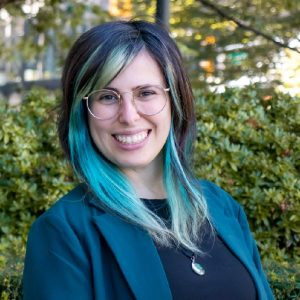
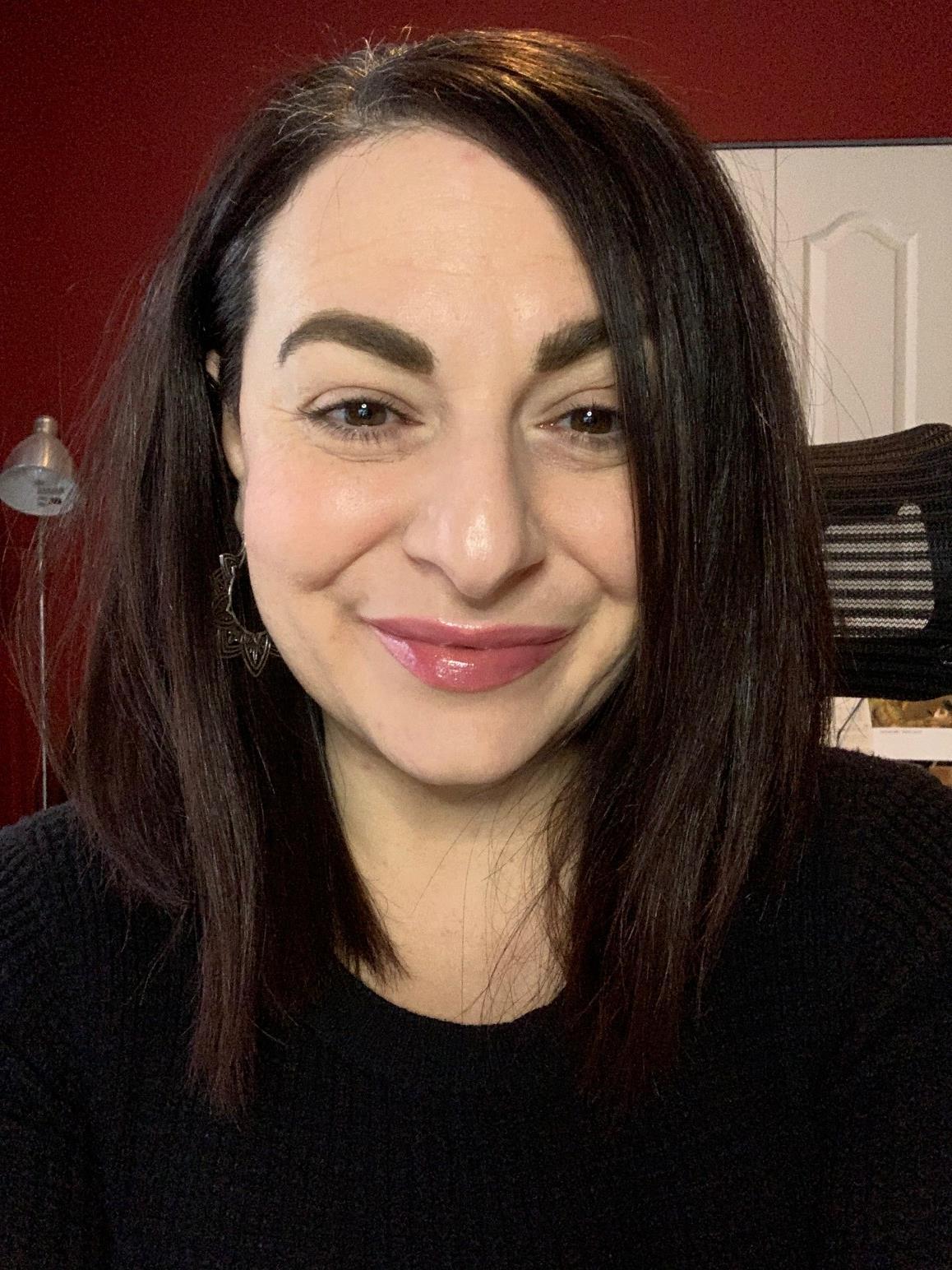
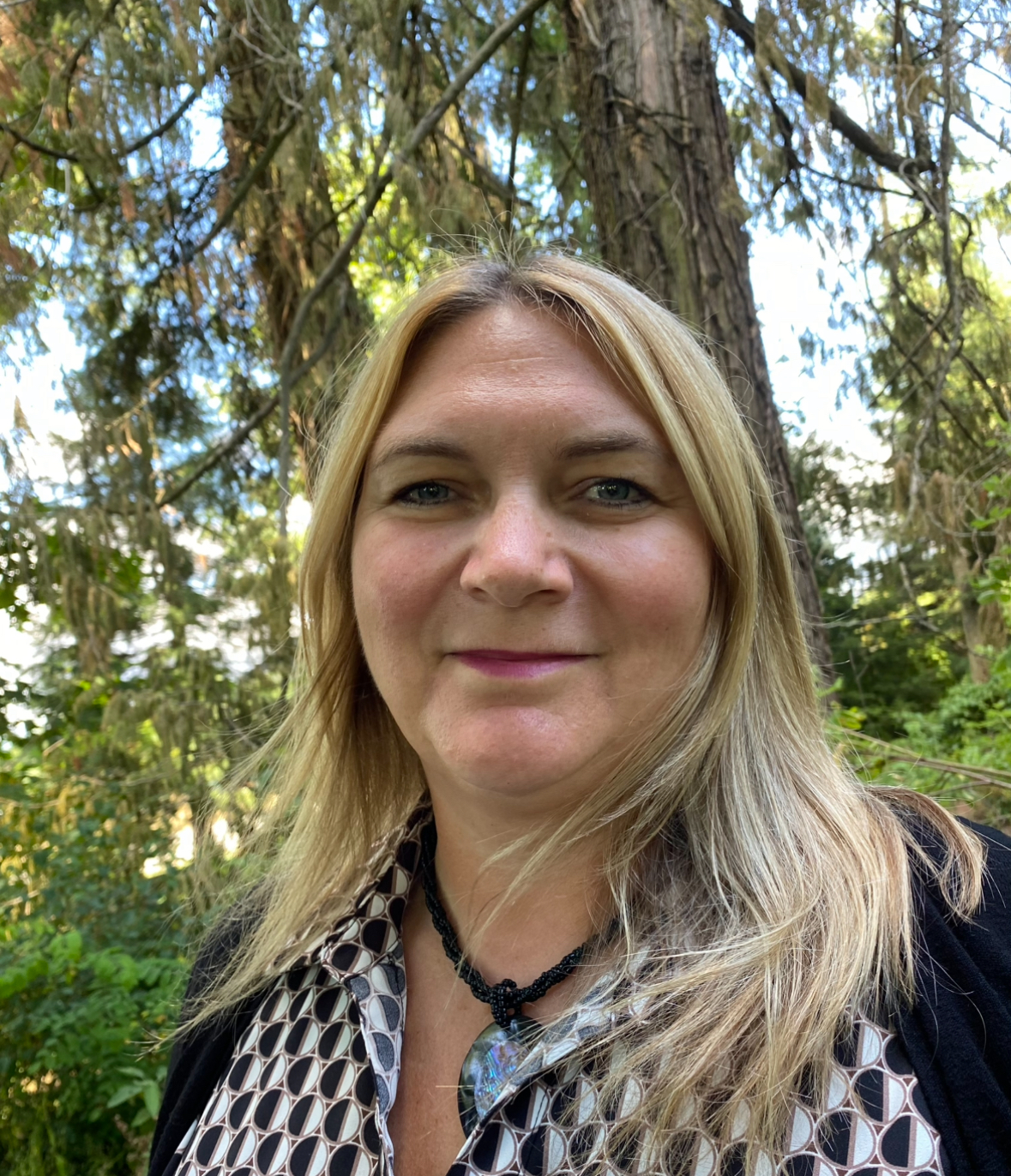
Shaping conversations, inspiring connections: meet Dr. Gabriela Kurtz

Shaping conversations, inspiring connections: meet Dr. Gabriela Kurtz

The School of Communication is delighted to welcome Dr. Gabriela Kurtz as an Assistant Professor. Since joining UFV in August 2025, Dr. Kurtz has brought with her not only a wealth of academic expertise but also a teaching philosophy centered on empathy, curiosity, and innovation.

Her career spans both Brazil and Canada, with experiences in teaching, research, and mentoring that have shaped her passion for communication, media, and culture. We sat down with Dr. Kurtz to learn more about her journey as an educator, her inspirations, and the message she hopes to share with students and the wider community.

College of Arts – Welcome to the College of Arts! Could you start by sharing a bit about your journey as an educator?

Gabriela – My love for teaching started in a rather unconventional way – necessity. At 18 years old, I enrolled in the Social Communications course with an emphasis on Advertising at the Pontifical Catholic University in the South of Brazil. To help pay for my tuition, I worked as an English teacher, and that ignited my passion for the profession. Even though it was a difficult journey, going to the classroom and helping students find their way into loving English was like fuel for me to keep going. I knew I did not want to work in conventional advertising agencies, and pursuing a teaching career seemed only natural. With a set goal in mind, I rushed through my Master’s and PhD degrees and finished when I was 28 years old.

When I moved to Canada in 2022, my idea was to take a break from teaching – I had been an Adjunct Professor at the Pontifical Catholic University of Rio Grande do Sul for 6 years, and I thought I wanted to try something else. However, the call for teaching was too strong. When evaluating work opportunities, I was magnetically drawn to being an instructor again. A colleague of mine once said that being a teacher means we never age – as we stay in the same place as mentors, we witness students start as little hatchlings and grow into birds capable of flying longer distances than we ever imagined. They move forward as we wave and stay behind – proud and inspired by them. I guess I did not want that feeling to fade, and that is why the profession always finds its way back to me.

I found amazing opportunities to teach Marketing here in Canada at respected institutions such as Langara College, Douglas College, and University Canada West. However, I always wanted to go back to my original field – Communications. That is what led me to pursue my career at the University of the Fraser Valley. I am really excited to go back to my roots and learn from everyone!

I define my teaching style as empathetic. I understand students come from different backgrounds, and we never know what battles people are going through. Students learn better when they are able to establish a connection with their teachers and peers, and all my efforts go towards understanding how that connection can be made in the best way possible. That includes always striving for the most innovative methods of teaching, using active methodologies, and making the most of the latest tools available.

College of Arts – What inspired you to specialize in your field?

Gabriela – My fields of specialization are Social Media, Game Studies, and Gender Studies. What inspired me the most was the curiosity to learn more about how society uses those affordances (SNS and games), how they give meaning to technology, and what cultural implications are to be observed. I’ve examined several different phenomena, such as violence against women in video games, fan cultures, reality shows, and political and sports repercussions on social media, and I am always surprised at how people connect in those spaces and what it means for us as a society. As online and offline spaces are now completely intertwined, we can no longer ignore the impact that technology has on shaping our ideas and actions – and I find it fascinating.

College of Arts – What do you hope your students take away from your classes?

Gabriela – I hope that they can apply what they learned in class in the real world. I hope that, when they face a tough situation, they can remember what we discussed and practiced, and they can find the best solution. And more than just learning technical skills, I hope they are equipped with soft skills, which are the most important, especially in the age of AI. I place great emphasis on critical and ethical thinking, and group work – we can only build a better place if we are able to connect and reflect on our actions.

College of Arts – Reflecting on your career so far, what has been the most rewarding aspect of being an educator?

Gabriela – The most rewarding aspect of being an educator is when I meet a student and they tell me they are thriving – whether in their dream job, as entrepreneurs, or just living their lives in general. One example of this was when I taught a section called Digital Project in Advertising in Brazil. I developed the class in a way that students would have the chance to apply what they learned while fostering their entrepreneurial spirit. Students had to come up with a social media page (could be on Instagram, YouTube, TikTok, and so on) about a relevant topic and manage and create content for three months. They could choose any theme they wanted, but it had to solve a problem a user had.

In 2019, I had a really successful group that created a page about the troubles of living alone. They created great content, and they chose to continue working on the page after the course was over. Now, after graduating, they still run the page and have opened a business based on it. They frequently collaborate with brands in Brazil and have more than 100k followers. I cannot help but feel proud of their achievement, while also acknowledging that I played a great part in it.

College of Arts – If you could leave a lasting message or piece of advice for your students and community, what would it be?

Gabriela – Keep on questioning – the only way to become a better person and transform the reality around you is by studying and being curious. Also, we are never alone – working together and learning from each other is key to evolution as a society. The more knowledge and connections you have, the more you can make intelligent decisions and act for real change.


Dr. Gabriela Birnfeld Kurtz’s story is a testament to resilience, curiosity, and the transformative power of teaching. With a background that bridges global experiences, innovative research, and empathetic pedagogy, she brings a perspective that is both grounded in rigorous scholarship and attuned to the realities of a changing world. As she continues her journey at UFV, students and colleagues alike will benefit from her dedication to questioning, connecting, and inspiring meaningful change through communication.

A passion for teaching and storytelling: a conversation with Dr. Chris Hyland

Chris Hyland picture

A passion for teaching and storytelling: a conversation with Dr. Chris Hyland

Chris Hyland pictureDr. Chris Hyland has been part of UFV’s teaching community since 2021. With years of experience in classrooms around the world, Chris brings a wealth of knowledge and a passion for making history come alive for his students.

From high school classrooms in Abbotsford to ESL instruction in South Korea, and eventually to completing a doctorate in Canadian history at the University of Calgary, Chris’s journey reflects a lifelong commitment to teaching and storytelling. In this Q&A, Chris shares his inspirations, teaching philosophy, and hopes for the students he will continue to guide through the fascinating stories of Canada’s past.

In this conversation, Dr. Hyland shares his academic journey with us. Check it out!

College of Arts: Could you start by sharing a bit about your journey as an educator?
Chris: I have always known that I am a teacher, ever since high school. Most of my life has been about figuring out what I want to teach and to whom. I got started in this business as a high school history teacher in Langley and Abbotsford. I taught at Robert Bateman Secondary School amongst others. However, my timing wasn’t great because in the early 2000s Gordon Campbell was premier and full-time teaching jobs were scarce. With few prospects at hand, I left Abbotsford to teach ESL in South Korea, where I spent the next ten years. It was an amazing experience and learned a lot about teaching and international students. After 10 years, I got a little tired/bored with the routine of ESL instruction and so decided to pursue graduate studies in Canada. I got my doctorate in Canadian history from the University of Calgary in 2016. I have spent the last seven years teaching Canadian history at the undergraduate level in the Lower Mainland.

College of Arts: What inspired you to specialize in your field?
Chris: I love stories and storytelling. As a child I was always reading epic fantasy like Tolkien, Martin, and Jordan. History and the backstory have always fascinated me as these complex fantasy worlds had amazing histories (Silmarillion for example). For me, a large part of history is the story telling aspect: I share with my students the story of Canada and the Canadian peoples, their lives, their hopes, their dreams. History says a lot about who we are as a people and what we value and there have been some amazing Canadians over the years.

College of Arts: What do you hope your students take away from your classes?
Chris: I hope that they connect past and present and really begin to understand how we got here, to this current place and time. I hope that my students have context and greater understanding for the multiple and complex issues that the nation currently faces. I remind my students that at one time Canada had a tariff rate of 20% on all US goods.

College of Arts: Reflecting on your career so far, what has been the most rewarding aspect of being an educator?
Chris: Being in class and working with students is the best part of my job. I like mentoring; I like teaching; I like interacting and talking with students. I hope that I can help my students move a little further on their own journeys, helping them get where they want to go. Students at UFV are the best!

College of Arts: If you could leave a lasting message or piece of advice for your students and community, what would it be?
Chris: Two pieces of advice. Advice 1 – slow down and take time to think things through. Advice 2 – question everyone and everything; do your own thinking and find your own answers. Our current society is based around instant gratification and the rush to judgement. They are so many voices and AI chatbots out there that students can lose a sense of who they are and where they want to go.


Dr. Chris Hyland’s journey shows the power of teaching, curiosity, and storytelling in shaping both students and educators. As he continues his work with UFV’s History Department, Chris looks forward to guiding students through Canada’s complex past, while inspiring them to think critically, ask questions, and carve their own paths forward.

June – September 2025 News | Faculty Projects, Interviews and Publications

June – September 2025 News | Faculty Projects, Interviews and Publications

Check out what our faculty at the College of Arts have been publishing!

From exciting projects to new publications, read more about their work and connect with us to learn more about the College of Arts.

đŸ€ł Follow us on Instagram

đŸ’Œ Follow us on LinkedIn

đŸ“„ Subscribe to our Arts Newsletter

Economics

Young Il Kim, Associate Professor, co-authored the article Intergenerational impact of early life exposure to trauma: Maternal exposure to the Korean War and risk aversion in the Journal of Comparative Economics. This research was supported by a 2022 Accelerate Grant from UFV’s Research Office.
🔗 Read article


Political Science

Noah S. Schwartz, Assistant Professor, published the book Targeted: Citizenship, Advocacy and Gun Control in Canada (University of Toronto Press, 2025) on September 16.
🔗 View book


English

Taslim Jaffer, Sessional Instructor, edited the book Back Where I Came From: On Culture, Identity, And Home (Book*hug Press, 2024), a collection of 26 personal essays by diasporic writers across North America. The book won the 2024 Foreword INDIES Gold Award for Anthologies.
🔗 View book


History

Barbara Messamore, Professor Emerita, published the book Times of Transformation: The 1921 Canadian General Election (UBC Press, 2025), as part of the Turning Point Elections series.

🔗 View book


Criminology and Criminal Justice (CRIM)

Yvon Dandurand, Professor Emeritus, co-authored the book chapter Justicia restaurativa y desistimiento del delito in PolĂ­tica criminal en el siglo XXI: Historia, presente y futuro, edited by D. ChavarrĂ­a (ILANUD, 2025).
🔗 View chapter

Stanislav Vysotsky, Associate Professor, was interviewed by CBC News: The National regarding Antifa and recent comments by the U.S. President.
🔗 Watch interview

Stanislav Vysotsky, Associate Professor, was interviewed by The Christian Science Monitor for the article Antifa lacks a structure, so Trump’s terror group label might not stick.
🔗 Read article


School of Culture, Media and Society (SCMS)

Michael Corman, Associate Professor, Sociology, co-authored the article Computer-Based Training for Cognitive Behavioral Therapy (CBT4CBT): A mixed methods investigation in Digital Health.
🔗 Read article

Michael Corman, Associate Professor, Sociology, co-authored the article The Future of Paramedic Education: Problematizing the Translucent Curriculum in Paramedicine in Paramedicine.
🔗 Read article

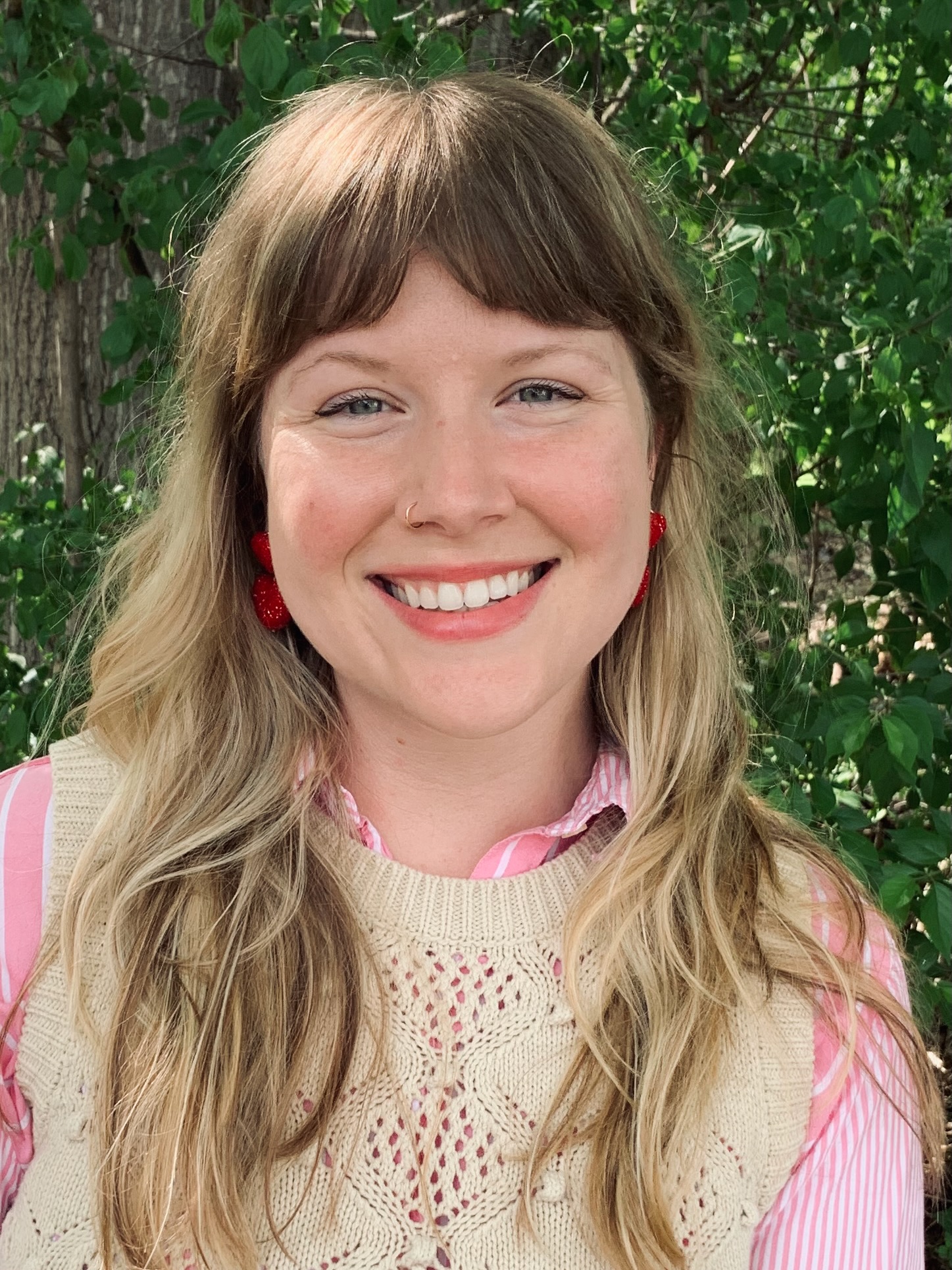
Writing the forgotten: how Dr. Kate Godfrey brings hidden stories to light

Kate Godfrey

Writing the forgotten: how Dr. Kate Godfrey brings hidden stories to light

Featuring: Dr. Kate Godfrey – Assistant Professor, History Department

Kate Godfrey

From the archives of Seville to classrooms in Canada, Dr. Kate Godfrey’s journey wasn’t always heading toward academia—but the detour has led to extraordinary discoveries. Once set on becoming a professional artist, Kate found her true calling in deciphering centuries-old manuscripts and mentoring students in the art of historical inquiry.

As an Assistant Professor in UFV’s History Department, Kate is reshaping how students engage with the past. Her courses delve into underrepresented voices, myths of empire, and even film as a lens on Latin American history. She champions the idea that history is not just about what happened—it’s about how we understand the present and imagine the future.

In this conversation, Dr. Godfrey shares her academic journey, the passions driving her research, and the advice she hopes every student carries forward.


College of Arts: Could you start by sharing a bit about your journey as an educator?

Kate: I’d like to begin the answer to this question by underscoring the importance of remaining flexible when it comes to personal journeys. I hadn’t envisioned a future as an educator when I was younger; in fact, I thought I was going to be a professional artist. However, life had different plans for me, and I could not be happier with how this journey has unfolded. I first came to my role as an educator while completing my master’s degree, when I was given the opportunity to lead several Spanish paleography classes. I thoroughly enjoyed helping students recognize letters, make connections, and decipher centuries-old passages from scribes who had lived long before our present day. It was this enjoyment that soon turned into a full-fledged spark where I recognized several things: I enjoyed connecting with students; I deeply cared about the art of imparting wisdom onto them; and finally, to learn from students and how to best advocate for them is both a gift and the most honorable career I can imagine.

CoA: What inspired you to specialize in your field?

Kate: I’m a third generation Floridian, so growing up in one of the United States’s gateways to Latin America impacted my childhood and how I understood the world around me. I started learning Spanish when I was about 4-years-old, which led to a desire to become multilingual as I grew into adulthood. My field of specialization, however, crystalized when I conducted research at the Archives of the Indies in Seville, Spain for the first time when I was 21 years old. Not only did archival research allow me to “time travel” and contemplate the many ways that humans have interacted with each other over the course of centuries, but this labor also let me better understand Florida, the place that I call home.

Furthermore, and most important for my field of research, archives are full of stories of people that, for centuries, scholars have ignored, silenced, or just forgotten. My role as a historian and educator concerned with writing and teaching about the histories of marginalized peoples such as Indigenous, Afro-, and Asian-descended populations is to show that the past – much like the present – is a diverse place where people held, maintained, and exerted power in all sorts of ways. By studying the ways that Indigenous people, and women for example, survived and in some cases thrived amid the chaos and violence of colonialism, is what inspired my field of specialty.

CoA: What topics or themes would you be interested in developing for new or special topic courses?

Kate: Right now, I am in the process of designing several courses, one of which is centered on Latin American history through film. I want to take students on a journey to show the many ways that Latin America, from pre-contact to present-day, has been presented through this crucial media form. We will grapple with the question of film’s freedoms and limitations and how writers, directors, and illustrators influence the ways that audiences digest historical events, people, and even social movements across Latin America, both in situ and beyond. I am also developing a course called “Global Matrilinealities” wherein students will dive into comparative studies of how matrilineal cultures function and the extent to which they are impacted by European colonialism. Last but not least, I am in the process of creating what I envision will be an upper-level course, tentatively titled “Myths and Empire,” which will examine the role that myths such as that of El Dorado had in advancing or even challenging colonial expansion efforts. All of these courses prioritize primary sources as vehicles through which students will learn.

CoA: What do you hope your students take away from your classes?

Kate: It is my ardent desire that students leave my classroom with the understanding that studying the past is not an idle exercise but is instead a dynamic and rewarding endeavor with real world implications. I want my students to remain curious, to keep asking questions about why we have inherited the world that we have from earlier generations, and what history can teach us about proposing answers going forward. Furthermore, I hope that students take the tools they have either learned or sharpened in my courses to make a positive impact in their homes, communities, and the broader world. Essentially, if my students pause to reflect on the question “what bigger impact will this specific decision I am making have both now and for generations for to come?” then I know I have done my job.

CoA: Reflecting on your career so far, what has been the most rewarding aspect of being an educator?

Kate: One of the most rewarding aspects of being an educator is to see both current and former students achieve their desired goals, and even if the goal has changed, championing students’ flexibility has been equally rewarding. In whatever way I can mentor students as they grow and change into the people they wish to be is where I thrive. Moreover, as an educator, writing letters of recommendation for students who have shown a commitment to learning and putting themselves out there to learn more about the world and their field of specialty has been such a treat. I love to reflect on students’ achievements, strengths, and to remind them in times of doubt that their education, inquisitiveness, and most importantly their minds, are three of the sharpest and most useful tools they wield as they face challenges both presently and in the future.

CoA: If you could leave a lasting message or piece of advice for your students and community, what would it be?

Kate: There are a few pieces of advice I would like to leave: Speak up for yourself and for others. Remain empathetic and, when able, be ready to lend a helping hand to the people and community surrounding you. Volunteer. And if being around people isn’t your forte, help out at animal shelters, clean up overgrown cemeteries, whatever needs to be done!


Dr. Kate Godfrey reminds us that history isn’t locked in the past—it’s alive, layered, and full of voices waiting to be heard. Through her teaching, she invites students to become thoughtful stewards of memory and change-makers in the world.

With passion, curiosity, and a dedication to justice, she’s helping the next generation write a more inclusive and critical history—one course at a time.

Exploring the mind and music: meet Assistant Professor Shannon Wright

Exploring the mind and music: meet Assistant Professor Shannon Wright

Featuring Dr. Shannon Wright, Assistant Professor, Psychology

The College of Arts is thrilled to interview Dr. Shannon Wright from the Department of Psychology. Since joining UFV in January 2024, Dr. Wright has brought a unique blend of curiosity, clarity, and creativity to her teaching. With a background deeply rooted in both cognitive psychology and the expressive world of music, she offers a perspective that bridges analytical thinking with a scientific exploration of how we perceive, produce, and respond to music— including both basic psychological processes and higher-level responses such as emotion.

This fall, Dr. Wright will be teaching courses including Introduction to Psychology, Introduction to Cognitive Psychology, Introduction to Music Psychology, and more to come. We sat down with her to learn more about her path into education, what drives her, and what she hopes to pass on to her students.

College of Arts: Could you start by sharing a bit about your journey as an educator?

Dr. Shannon Wright: During graduate school, I took a course on communicating scientific research to the public. I really enjoyed thinking about research from the “other side”, and I decided to look for more opportunities to communicate science. This led me to a teaching internship where I was fortunate enough to be mentored by a senior professor. Through this internship, I realised the importance of strong pedagogy in science and how much I enjoy teaching and talking psychology.

College of Arts: What inspired you to specialize in your field?

Dr. Shannon Wright: During my undergrad, I was pretty fascinated by the brain, so I majored in psychology. I was curious about many different aspects of human cognition and behaviour, especially about connections between the motor system and higher-level abilities. I grew up dancing and figure skating, so I was engaged with movement and music from a pretty young age. Eventually my interests in psychology and music merged in an Honours project about the role that movement plays in generating emotional responses to music. Doing an Honours project was pretty neat, as I got to run my own study, analyse data, and make a tiny contribution to our knowledge about music and emotion! It also showed me there were a lot of researchers all over the world studying different questions related to music and psychology, so I decided to pursue it further.

College of Arts: What do you hope your students take away from your classes?

Dr. Shannon Wright: Of course, I’d like everyone to learn about all the cool aspects of psychology!

On the practical side, I try to emphasise skills that will serve people well in the future, regardless of whether they continue in academia or not. It’s a major accomplishment for everyone if students can leave my class better thinkers than when they started the class. This includes learning critical thinking skills, close reading skills, and the ability to discuss complex ideas with others in a thoughtful way.

College of Arts: Reflecting on your career thus far, what has been the most rewarding aspect of being an educator?

Dr. Shannon Wright: It’s really rewarding to see students get excited about the stuff they’re learning about. I remember discovering new ideas as an undergraduate student, some of which made the world seem a little more interesting all of a sudden. It was like a door was unlocked in your mind, and you couldn’t wait to see where it would lead you next. Seeing that response in students now is pretty cool, and I encourage students to keep following those ideas!

College of Arts: If you could leave a lasting message or piece of advice for your students and community, what would it be?

Dr. Shannon Wright: Think slowly and think deeply.


Dr. Shannon Wright continues to inspire through her deep understanding of psychology, her commitment to student learning, and her unique integration of science and the arts. Whether exploring the intricacies of cognition or the emotional power of music, she challenges students to think critically, explore boldly, and engage deeply. Her thoughtful approach to education and research is a valuable part of the Department of Psychology’s dynamic and evolving academic community.

A new way to learn and lead: UFV launches the Social Innovation Certificate

A new way to learn and lead: UFV launches the Social Innovation Certificate

How do we prepare students not only for today’s challenges, but for a world that’s changing faster than ever before? At the University of the Fraser Valley (UFV), that question sparked the creation of a bold, interdisciplinary credential launching in Fall 2025: the Social Innovation Certificate.

This new certificate is designed for students, professionals, and community members who want to lead change in their workplaces, communities, and beyond. Through four core INNV (Innovation) courses and 15 interdisciplinary elective credits, participants will explore systems thinking and social innovation in real-world contexts. From scenario-based learning to community-engaged projects, this program empowers learners to not just understand complex problems, but actively work toward creative, sustainable solutions.

Two dedicated faculty members helped shape the certificate from the ground up: Dr. Linda Pardy and Dr. Anna Griffith. For today’s blog story, the College of Arts is interviewing them to learn more about the vision, values, and real-world impact of the Social Innovation Certificate.

But, first, a brief introduction:

Dr. Linda Pardy is an Associate Professor in Arts and Integrated Studies. After recently concluding her tenure as Associate Dean of Students in the College of Arts, she’s now focused on research and teaching that focus on social innovation, workplace learning, and career development. Having supported thousands of Liberal Arts students in navigating their transition from education to employment, Dr. Pardy’s impact has been recognized with the UFV Teaching Excellence Award.

Dr. Anna Griffith is an Associate Professor in the School of Creative Arts and UFV’s Changemaker Curriculum Developer. Known for designing high-impact, transformative learning experiences, Dr. Griffith works with faculty across disciplines to embed changemaking, sustainability, and social innovation into their pedagogy, turning classrooms into platforms for real-world action.

Now, let’s jump to the interview!

College of Arts: What inspired the creation of the Social Innovation Certificate?

Dr. Anna Griffith: We wanted to create a certificate that prepares students to enter the workforce with the skills they need to innovate and make a difference in their field. These skills include systems and design thinking, social entrepreneurship, adaptive leadership, and working with AI.

The four core INNV courses are designed to scaffold these capacities. By the 300- and 400-level courses, students are out in the community, working with employers and partner organizations, leading real innovation projects and gaining critical work experiences. Work-integrated learning is infused throughout the entire certificate because we didn’t want students to just learn about social innovation; we wanted them to actually do it.

This certificate responds to a world that urgently needs us to do things differently. It’s a certificate of possibility and action.

College of Arts: How does this program support students in building future-ready careers?

Dr. Linda Pardy: Every industry is being disrupted in some way. Employers are no longer just looking for just technical skills—they’re seeking creative problem solvers, critical thinkers, and ethical leaders. The Social Innovation Certificate is designed to build precisely these skills.

We’ve embedded essential employment literacies—like understanding the role of technology, data literacy, cultural agility—and linked them with systems thinking and creative leadership. These are the skills that won’t be replaced by AI or automation.

Whether students are preparing for their first job or navigating career change, this certificate prepares them to lead in times of uncertainty.

College of Arts: How is the certificate aligned with UFV’s House of Transformation and changemaking values?

Dr. Anna Griffith: UFV’s motto, ÍyĂĄqĂĄwtxw, means “House of Transformation” in Halq’emĂ©ylem. The certificate reflects this spirit by cultivating not just skills, but mindsets that allow students to see themselves as agents of change in their communities and disciplines.

Students learn in dynamic, collaborative environments where experimentation and iteration are part of the process. They work on real challenges and develop the confidence to take risks and adapt when things don’t go as planned. These are key attributes of innovative thinkers and leaders in any field.

This kind of learning opens doors. Students leave with a strong portfolio of experience as well as a professional network. They will be equipped with the innovative mindsets and leadership skills needed to thrive in a rapidly changing world.

College of Arts: Who is this program for?

Dr. Linda Pardy: I hate to respond so generally, but honestly, this credential is designed to be meaningful for people at all stages of their academic or professional/career journey. Whether you’re starting your first job, seeking career growth, or leading change in your organization, the certificate gives you tools and experiences that are immediately applicable.

It’s also easy to integrate into most UFV degrees—many of the electives are courses students are already taking. It’s flexible and student-centred.

College of Arts: How does the program engage with real-world challenges?

Dr. Anna Griffith: Our INNV courses equip students to work in complex environments and workplaces. In INNV 100, for example, students are immersed in a scenario-based game that simulates the interconnected and unpredictable world and the very complex, systemic challenges we face. Instead of working on case studies, this experience challenges students to think on their feet, navigate uncertainty, and respond to unfolding crises. They design responses and innovative solutions in real time. It’s a space to practice adaptability, systems thinking, and ethical leadership.

This kind of learning prepares students to tackle big challenges, apply creative problem-solving, and develop the skills needed to deliver solutions. It’s social innovation within education itself.

College of Arts:  What kinds of career paths could this certificate support?

Dr. Linda Pardy: The Social Innovation Certificate prepares students to thrive in diverse industry sectors—business, health, education, science, government, arts and culture, sustainability, and more.

It equips students with a changemaking lens they can apply wherever they go. Whether you want to work in areas such as tech ethics, policy, community engagement, health administration, manufacturing, design, or environmental protection, this certificate helps you stand out and lead change.

College of Arts: What do you hope students will take away from the experience?

Dr. Anna Griffith: I hope students leave confident in their ability to meaningfully contribute to any industry sector or community organization.  This certificate offers not just skill-building, but also an opportunity to develop their leadership abilities and a sense of agency.

Students will leave with an advanced way of thinking, relating, problem-solving, and acting.  By the end of the certificate, they will be equipped to lead and help build a sustainable future.

Are you ready to become a changemaker? You might already be closer than you think to earning this certificate. Check your MyGrad Plan or connect with an Academic Advisor to map out how the Social Innovation Certificate can fit into your degree.

The Social Innovation Certificate launches in Fall 2025 at UFV. Open to students across all disciplines, working professionals, and lifelong learners, this flexible credential is your pathway to leading meaningful change.

Start with INNV 100 and learn more at ufv.ca/arts/programs/social-innovation.

Telling difficult truths: Dr. Nawal Musleh-Motut’s mission to decolonize media

Telling difficult truths: Dr. Nawal Musleh-Motut’s mission to decolonize media

Featuring: Dr. Nawal Musleh-Motut – Assistant Professor, Media and Communication

From classrooms to critical resistance, Dr. Nawal Musleh-Motut brings both vision and voice to the study of media and communication. A scholar, teacher, and advocate with deep roots in decolonial and social justice pedagogy, she challenges students not only to learn about the world—but to help change it.

Nawal joins the School of Culture, Media, and Society at the University of the Fraser Valley (UFV) as an Assistant Professor of Media and Communication, offering courses like “Decolonizing Media,” “Storytelling, Photography, and Resistance,” and “Gender and Media.” Her research is shaped by lived experience, and her teaching is grounded in care, critique, and courage.

In this conversation, Nawal shares her journey as an educator, the driving forces behind her research, and the words she carries into every classroom.

College of Arts: Could you start by sharing a bit about your journey as an educator?

Nawal: Prior to joining UFV, I spent eleven years teaching undergraduate research, media, and communication courses grounded in decolonial, critical race, and intersectional social justice theory and practice.

As an educator, my main goal is to equip diverse students with the ability and confidence to apply communication and media related theories, methods, and practical skills through a decolonizing, anti-racist, and socially just lens, both inside and outside of the university.

Thankfully, I’ve been successful in achieving my teachings goals across a wide range and level of interdisciplinary undergraduate courses, but I’m constantly striving to advance my understanding and application of educational theory and practice.

For example, my postdoctoral research highlights the dangers and counters the consequences of institutional performances of equity, diversity, and inclusion, which support the neocolonial and neoliberal status quo, by creating decolonial and just futurities through teaching and learning – that is, by imagining what such a future might look like and then working to create it in the present using the pathways, tools, and resources currently available to us.

Two major components of this research were the Decolonial Teaching and Learning Seminar Series and the Decolonizing and Indigenizing STEM Website, in which my student research assistants and I helped faculty members apply decolonial thinking and doing to their own learning and teaching.

I’m excited to apply the lessons learned from this project to my teaching, research, and service at UFV.

CoA: What inspired you to specialize in your field?

Nawal: My research, writing, and teaching are all influenced by my lived experience as a Settler of Palestinian descent. My family left our homeland to avoid living under occupation, but this meant that we came to occupy unceded Indigenous land. As a result, I’ve come to develop a kind of double vision shaped by two instances of settler colonialism. It’s enabled me to critically reflect on my privileged position and responsibilities as a Canadian Settler, while simultaneously binding me in solidarity with Indigenous struggles for decolonization, sovereignty, and justice.

Experiences like mine and countless others are significant to media and communication studies, as it’s through narrative and images that settler colonial power is both sustained and, most importantly, resisted.

CoA: What do you hope your students take away from your classes?

Nawal: Again, I really want my students to gain the confidence to apply what they’re learning in my courses, both inside and outside of the university. This includes nurturing critical thinking and media literacy skills, as well as empathy for and solidarity with those experiencing discrimination, oppression, and/or  injustice.

CoA: Reflecting on your career thus far, what has been the most rewarding aspect of being an educator?

Nawal: I love working closely with students to critically grow their knowledge of themselves, others, and the world and then watching them use their learning to create a generative life for all.

CoA: If you could leave a lasting message or piece of advice for your students and community, what would it be?

Nawal: My late Masters supervisor, Dr. William L. Cleveland, always told me that “the beautiful things are difficult.” Although I think the phrase originates from an ancient Greek proverb, he meant that the most significant and rewarding things you’ll do in life will also be the most challenging and risky. He was right! It’s undoubtedly the best and most inspiring advice I’ve ever received, and it continues to motivate not only my research, writing, and teaching, but also my entire life.


Dr. Nawal Musleh-Motut brings more than knowledge to the classroom—she brings vision. In her work, media becomes a mirror, a window, and a tool for change. Her teaching isn’t just about information—it’s about imagination, resistance, and the courage to build better futures.

Through her courses at UFV, students are not only invited to examine the world—but to shape it.

May 2025 News | Faculty Projects, Interviews and Publications

May News at the College of Arts

Check out what our faculty at the College of Arts have been up this month!

From exciting projects to new publications, read more about their work and connect with us to learn more about the College of Arts.

đŸ€ł Follow us on Instagram

đŸ’Œ Follow us on LinkedIn

đŸ“„ Subscribe to our Arts Newsletter

College of Arts

School of Culture, Media and Society (SCMS)

  • Dr. Michael Corman, Associate Professor of Sociology, attended the Conference on Postsecondary Learning and Teaching in Calgary. The theme was Reassessing Assessment in Postsecondary Education, and his experience raised lots of reflections as phenomenological look at students’ experiences of “ungrading”.
  • Dr. Corman also presented at the 2025 UBC Seminar on Equity, Diversity, Inclusion, and Decolonization in the Life Sciences. His presentation, Blues Run the Game: Moving Beyond the Tyranny of the Bio-Psycho-Medico, drew from his long-standing research into paramedicine and healthcare systems. He argued for a more sociologically-informed approach that attends to systemic and social determinants of health in education and practice.
  • Dr. Michael Corman, Associate Professor, Sociology, published the article: Corman, M., Phillips, P., and McCann, L. (Forthcoming). The Future of Paramedic Education: Problematizing the Translucent Curriculum in Paramedicine. Paramedicine (‘The Future of Paramedicine’ – Special Issue).

Criminology and Criminal Justice

History

  • Dr. Barbara Messamore, Professor, published the book Times of Transformation: The 1921 Canadian General Election with UBC Press as part of the Turning Point Elections series.
  • Dr. Alessandro Tarsia, Assistant Professor, presented the paper The Colonial Tobacco Invasion and Terraforming of SemĂĄ:th XĂł:tsa (Sumas Lake) at the BC Studies Conference hosted by UBC on May 2, 2025.
  • Dr. Chris Hyland, Limited Term Appointment Instructor, presented the paper Truth and Reconciliation at Alexander College at the Canadian Historians of Education Association conference in Ottawa in October 2024.

Political Science

  • Dr. Hamish Telford, Associate Professor, was interviewed by CNN regarding the Canadian Liberal Party’s search for a new leader to succeed Prime Minister Justin Trudeau.

CHASI 

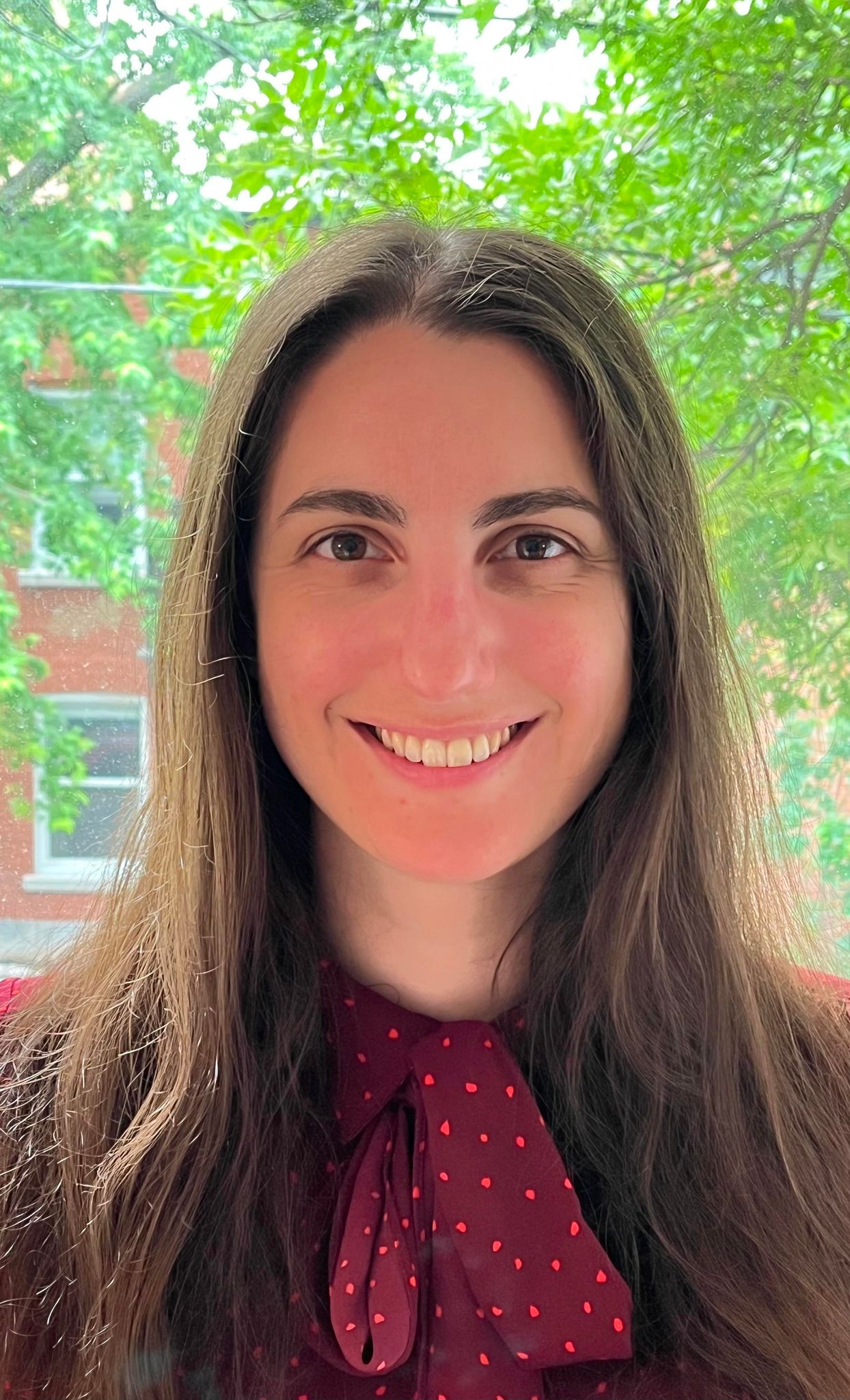
Curiosity and courage: Sue Hampton’s formula for embracing the unknown

Susan Hampton's picture

Curiosity and courage: Sue Hampton’s formula for embracing the unknown

Susan Hampton's pictureFeaturing: Susan Hampton (Sue), Assistant Professor of Arts and Integrated Studies

From Seoul to Surrey, classrooms to international development, Susan (Sue) Hampton’s career has never followed a straight line. And that’s exactly what she teaches her students: that success often comes from embracing the unexpected.

Now an Assistant Professor in the College of Arts at the University of the Fraser Valley (UFV), Sue brings her global experiences, her deep commitment to adult education, and her passion for critical pedagogy into every lecture, conversation, and curriculum she designs. With roots in psychology and a career journey that spans continents and disciplines, Sue knows firsthand that life doesn’t always come with a clear blueprint — and that’s something to celebrate.

In this conversation, we hear from Sue about her unconventional path, the values that drive her work, and the advice she hopes her students carry long after their time at UFV.


College of Arts: Could you start by sharing a bit about your journey as an educator?

Sue: My journey was definitely non-traditional. I started at UVic as a Psychology major and honestly had no clear career path in mind. After graduating, I moved overseas to teach English in South Korea and Taiwan. I had planned to stay for just a year — and ended up staying seven! I loved teaching far more than I expected.

Back in Canada, I dabbled in international development, and my work at the Coady International Institute is where I really became intrigued by adult education and critical pedagogy. That led me to pursue a Master’s in Educational Leadership at UVic, and since then, I’ve worked in all kinds of educational roles: curriculum development for K-12 sustainability resources, supporting graduate students at SFU, and as an educational developer at UBC. Each step taught me something new — and now I’m thrilled to be back in the classroom working with undergraduates at UFV.

CoA: What inspired you to specialize in your field?

Sue: While at SFU, I was helping graduate students prepare for life beyond their PhDs. Many were feeling anxious about leaving academia, unsure of what their next steps could be. That really opened my eyes to how deeply people struggle with career uncertainty — especially in academic environments.

My doctoral research focused on the career development journeys of PhD students who pursue non-academic careers. Through that, I became immersed in the theories and practices of career education. Now, I use those tools to help all students feel more confident in their evolving career paths.

CoA: What do you hope your students take away from your classes?

Sue: I want them to walk away feeling empowered. I teach Professional Practices courses where we explore not only career development theories like Planned Happenstance, but also the idea that it’s okay — and even beneficial — to not have a perfectly mapped out plan.

I hope they become more confident in their skills and open to trying new things. It’s all about curiosity, taking small risks, and trusting that opportunities will come when you engage with the world around you.

CoA: Reflecting on your career so far, what has been the most rewarding aspect of being an educator?

Sue: Seeing students transform their mindsets. Many come in thinking they need a perfectly mapped-out plan. When I help them realize that careers unfold over time — and that it’s okay not to have all the answers — I see real relief and confidence begin to form.

That transformation, where anxiety gives way to self-assurance and possibility, is the most rewarding part of what I do.

CoA: If you could leave a lasting message or piece of advice for your students and community, what would it be?

Sue: You are not static, and neither is the world. Everything evolves. Let go of the need to control every detail, and remain open to the unexpected. Keep moving forward, even if the path is unclear. Often, the best opportunities show up when you least expect them — and when you’re ready to say “yes.”


Sue’s story is a powerful reminder that a meaningful career doesn’t require a perfect plan — just a willingness to stay curious, take chances, and follow where your passions lead. In a world that often demands certainty, Sue champions the courage to embrace change.

Whether she’s guiding students through career theory or encouraging them to try something new, Sue brings wisdom, warmth, and an unwavering belief in the power of possibility.