An Analysis of the Sustainability of British Columbia’s Crime Reduction Initiatives

In 2005, British Columbia launched an ambitious, police-led crime reduction initiative in response to rising crime and the proliferation of drug-related gang violence, at a time when Vancouver was labelled the property crime capital of Canada and Surrey the auto theft capital of the world (Cohen et al., 2014). The initiative rested on the premise … Read more


An Analysis of the Socio-Economic and Socio-Demographic Contributors to Property Crime in the Lower Mainland District

According to the data presented by police leaders at the September 29th, 2015 Metro Vancouver Crime Meeting, property crime increased for the second consecutive year in the Lower Mainland District (LMD) of British Columbia. Of the 22 RCMP and municipal police jurisdictions that comprise the LMD, it was reported that, between January and August 2015, … Read more

Designing Out Crime

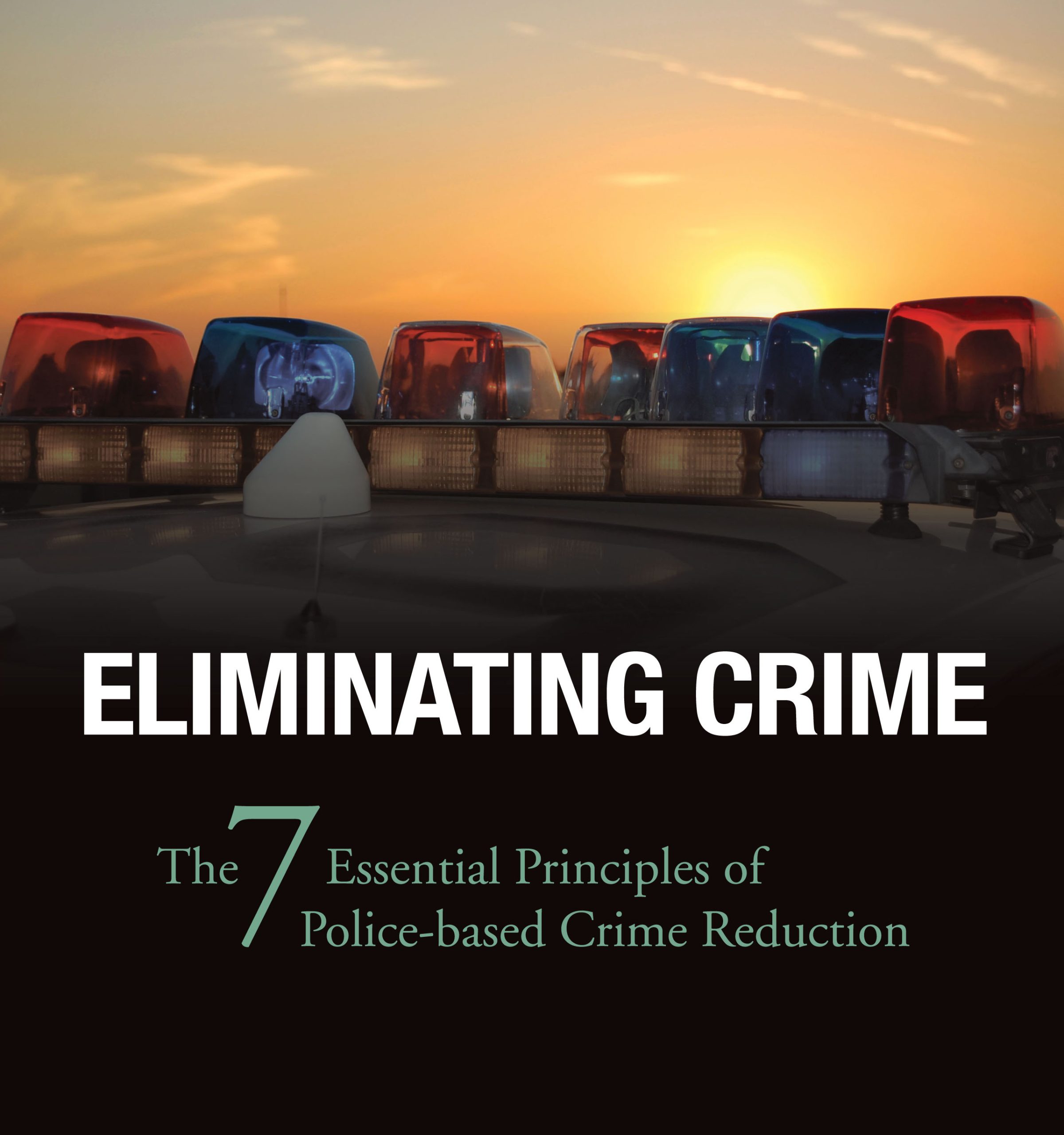
The book Eliminating Crime (Cohen et al., 2014) focused on seven strategies the police could employ to reduce crime. Despite our confidence in the importance of those strategies and the ability of police to execute them, we are aware that the police alone cannot make crime go away. Crime prevention is a societal matter that relies on a commitment from the entire … Read more

The Rise and Fall of Crime in Abbotsford British Columbia

How is one to make sense of the substantial decline in crime over the decades? The mysterious contemporary decline of crime regionally, nationally, and globally has become a perplexing enigma to some of the most brilliant minds in the discipline of criminology and criminal justice. Indeed, police-reported crime statistics have demonstrated a staggering decline in … Read more

The City of Surrey Business Safety Survey 2014

This report provides the results of a City of Surrey business safety and police satisfaction survey conducted by the Centre for Public Safety and Criminal Justice Research in the School of Criminology and Criminal Justice at the University of the Fraser Valley. This study was conducted to determine the perceptions of business owners and operators in the City … Read more

Responding to Pre-Hospital Events in BC: Time to Rethink the Current Model of Service Delivery

On October 29, 2013, the BC Emergency Health Services (BCEHS) implemented changes to their BC Ambulance Service Resource Allocation Plan (RAP) resulting in a significant number of codes being downgraded to Code 2 (routine) calls instead of their previous designation as Code 3 (lights and sirens) calls. According to BCEHS the process undertaken to make … Read more

Emergency Motor Vehicle Crashes in British Columbia

When emergency vehicle collisions occur, especially at speed with lights and siren, they tend to evoke heightened media attention as well as public concern and interest. While these concerns are understandable given the sheer size and mass of heavy emergency vehicles (i.e., fire/ladder trucks) relative to much lighter, non-emergency vehicles, such concerns must be placed … Read more