
What if you had the chance to try something new in your classroom that could transform how students learn and engage? Or create an atmosphere of reciprocity? Or develop meaningful and substantial relationships with other faculty through non-conventional partnerships? The Teaching Inquiries into Pedagogical Practices (TIPP) Fund was created to make that possible.
Teaching and Learning’s TIPP fund provides UFV educators with space and support to experiment with innovative approaches to teaching and learning. In partnership with UFV’s Office of Sustainability, the 2025-26 fund focuses on regenerative sustainability. Faculty were invited to create projects under four inquiry categories:
- Indigenization and Decolonization: Projects that support reconciliation and the revitalization of Indigenous ways of knowing, along with inquiries focused on land/place-based learning, relational pedagogies, or decolonizing knowledge systems.
- Social, Cultural, Environmental, or Economic Sustainability: Projects that promote sustainable practices across one or more of UFV’s four sustainability pillars. This may include initiatives focused on equity, cultural preservation, climate action, or environmental and economic justice.
- Resilience: Projects that prepare students and systems to adapt and thrive in the face of change. This includes student-ready pedagogies that support learner well-being, adaptability, and future-readiness. Projects may also draw on OneHealth principles to think across systems and promote resilience.
- Regenerative Thinking: Projects that actively regenerate ecological health, community well-being, and educational practices. These inquiries may involve design thinking, systems thinking, trauma-informed practices, or transformative learning models.
This year’s recipients have embraced the themes in creative and impactful ways. Their projects demonstrate how the classroom can become a site for regeneration where we centre and repair relationships, restore cultural knowledge and language, and reimagine pathways toward more just futures where everyone can thrive. Their work is supported by Teaching and Learning’s Changemaker Curriculum Developer, Anna Griffith, who specializes in social innovation and sustainability education.
Together, these projects contribute to 12 of the 17 United Nations Sustainable Development Goals (SDGs)!
Meet the 2025–26 TIPP Fund Recipients
 Trevor Beugeling – Sustainability Applications in Engineering Design
The goal of this inquiry is to adapt the course materials of Engineering 124 to ensure that course projects primarily focus on sustainability applications, a core value of the engineering profession. This new focus also allows for more applied learning, bridging theory and practice. Engineering design process and project management topics will provide the knowledge and competencies necessary to properly organize and carry out projects, while topics on sustainability and engineering ethics will provide context and motivation to complete and share their projects responsibly and for the benefit of all. The experiences they gain working on these projects will provide them with job-relevant skills that promote the sustainable practice of engineering. These positive experiences early in their education can leave a lasting impression, motivating them to explore more advanced sustainability-related projects later in their education and career. This inquiry supports SDG 3 (Good Health and Well-Being) via projects promoting improved environmental conditions, SDG 4 (Quality Education) through hands-on experience and application of sustainability theory, and SDG 12 (Responsible Consumption and Production) in the learning and application of Life Cycle Analysis.
Thais Costa Rabelo Amorim – Learning by Giving Back: Transforming Practicum into Justice and Reciprocity through Grant Writing
This inquiry transforms the Child and Youth Care (CYC) 310 Practicum Seminar into a site of action and reciprocity, addressing inequitable funding in agencies supporting children, youth, and families. It is aligned with regenerative sustainability by promoting care and relationality and simultaneously addressing inequitable funding in agencies supporting children, youth, and families. Students collaboratively develop grant proposals to strengthen these community partners, aligning with regenerative sustainability by promoting social and economic justice. The experiential learning this project supports UFV’s Institutional Learning Outcomes of critical thinking, ethical reasoning, and community engagement, while addressing UN SDGs, including Quality Education (SDG 4), Reduced Inequalities (SDG 10), and Strong Institutions (SDG 16). The project shifts students from learners to contributors, fostering relational care and transformative advocacy critical for child and youth care practitioners.
 María Eugenia De Luna – Reading the Walls, Rethinking the World: Regenerative Pedagogies through Linguistic Landscapes
María’s project explores how the Linguistic Landscape (LL), the public signs, posters, graffiti, and written texts that surround us, can serve as tools for regenerative and changemaking learning. Students in Linguistics 210: Language, Culture, and Society will observe and analyze language(s) in public spaces across their communities, examine which languages are used, how they are presented, and who is rendered visible or invisible. They then reimagine these spaces through inclusive, community-centred, and multilingual signage proposals. This TIPP project engages UN SDG 4 (Quality Education), SDG 10 (Reduced Inequalities), and SDG 11 (Sustainable Cities and Communities).

 Leah Douglas & Tim Dueck – Exploring Inuit and Métis perspectives for changemaking approaches to wicked problems related to substance use and social work

This inquiry examines how consultation with Inuit and Métis leaders can help students reframe and approach complex, interdisciplinary “wicked problems” related to substance use in Canada. Grounded in trauma-informed care, evidence-based practice, and principles of decolonization and Indigenization, the project invites students in Social Work 394: Substance Misuse Issues to critically engage with systemic challenges or “wicked problems” that lack straightforward solutions.
Through dialogue with Inuit and Métis leaders, students will gain insight into culturally grounded approaches to these issues and methods for respectful engagement with Indigenous knowledge systems. This project is aligned with UN Sustainable Development Goal 3 (Good Health and Well-Being).
 Joy Enyinnaya – Regenerative Community Partnerships through Intercultural Communication
Joy’s teaching inquiry explores how community-engaged and globally connected learning can foster regenerative sustainability through intercultural communication practice. In Fall 2025, students in Joy’s Advanced Intercultural Communications course participated in a Collaborative Online International Learning (COIL) experience with students from the University of Media, Arts, and Communication (UniMAC) in Ghana. They developed a public relations campaign for Ruth and Naomi’s Mission, a local organization that supports individuals experiencing homelessness and addiction in Chilliwack. In Winter 2026, students in a lower-level intercultural communication course will work with Ruth and Naomi’s to help implement, evaluate, and refine the campaign, extending the impact of the initial COIL collaboration into tangible community engagement. This two-part sequence integrates regenerative thinking by creating an ongoing cycle of global-local learning and action that strengthens both intercultural understanding and community well-being.
The project supports UFV’s Institutional Learning Outcomes of Civic and Global Responsibility, Communication, and Critical Thinking, and aligns with UN SDG 4 (Quality Education), SDG 10 (Reduced Inequalities), and SDG 17 (Partnerships for the Goals).
Masud Khawaja – Reimagining Feedback: Regenerative Design Thinking in the Classroom
Masud’s project challenges how feedback is typically offered within Business education. It will examine how real-time, individualized feedback can enhance student learning in a Business/Management classroom. Implemented in an upper-level human resource management course, students will deliver brief, experience-based presentations and receive immediate one-on-one feedback from the instructor. A student Project Assistant will collect student reflections on the usefulness of this feedback, which will then be analyzed. The project advances regenerative sustainability by treating feedback as a relational and restorative learning practice rather than a delayed, transactional one. Immediacy, dialogue, and reflection for action help strengthen the learning environment, support student agency, and promote continuous improvement. This project aligns with SDG 4 (Quality Education), SDG 10 (Reduced Inequalities), and SDG 11 (Sustainable Communities).
 Chelsea Klassen – Global Health Regenerative Sustainability Simulation Exercise
This project introduces a simulation-based learning experience focused on global health emergency response through the lens of regenerative sustainability. Over two class sessions, students will collaborate on a fictional global health scenario, supported by professionals in the field. This scenario-based learning project helps students connect theoretical concepts and practical decision-making and strengthens the ability to understand complex, uncertain, and ethical tensions that define global health practice. Students learn to consider diverse determinants of health, negotiate stakeholder interests, and justify interventions using data and equity-focused reasoning. The exercise also mirrors real professional environments, helping students build confidence and transferable competencies. This project aligns with SDG 3 (Good Health and Well-Being), SDG 10 (Reduced Inequalities), and SDG 17 (Partnerships for the Goals).
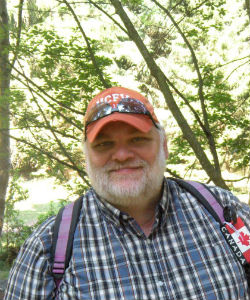 Alan Reid – Digital Exploration of Biodiversity
This project enhances organismal biology courses by integrating physical specimens with digital resources to deepen student engagement and understanding of biodiversity. Traditional lab manuals often fail to spark curiosity, and physical samples can be costly, fragile, or limited in availability. To address these challenges, the initiative uses web-based platforms such as Flowvella to create interactive modules featuring videos, quizzes, and digital microscopy. Digital and 3D resources offer scalable, reusable, and annotated learning materials that promote active learning and improve retention. Students benefit from immersive experiences that connect local and global biodiversity, fostering critical thinking and scientific literacy. By embedding sustainability and adaptability into biology education, this project supports SDG 4 (Quality Education), SDG 14 (Life Below Water), and SDG 15 (Life on Land), preparing learners to engage with ecological challenges in meaningful ways.
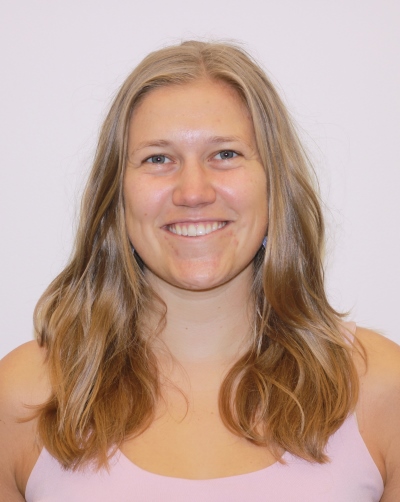
 Hannah Sanvido & Alison Pritchard-Orr – Inclusive Wellness Stations: A Collaborative Approach
This collaboration brings together students from UFV’s Training in Attitudes, Skills, and Knowledge (TASK) program—a pre-employment program for students with disabilities—and students from Kinesiology 465, who specialize in adapted physical activity. Working in partnership, these students will co-create health and wellness stations designed for children with disabilities. TASK students will lead the brainstorming process as content experts, while kinesiology students transform these ideas into interactive stations with supporting materials. These wellness stations will be presented at Stitó:s Lá:lém Totí:lt Elementary/Middle School, where each group will guide children through their activities. This hands-on, equity-focused initiative promotes universal design, experiential learning, and meaningful partnerships between UFV and local schools.
Hannah and Alison see their collaborative project as a way to connect a community of learners in creating and sharing active means toward health and wellness. In this respect, their project is a means toward regenerative sustainability for a range of learners. This project aligns with several of the SDGs. Namely, SDG 3 (Good Health and Wellbeing), and SDG 4 (Quality Education) as well as SDG 5 (Gender Equality and Women’s Empowerment) and SDG 10 (Reduced Inequalities).
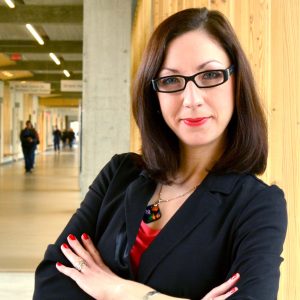
 Andrea Sator & Christine Nehring – Trauma-Informed Communication in Professional Office Settings

This collaboration explores how trauma-informed and empathetic communication strategies can strengthen student readiness for front-line office, administrative, and customer-service roles. Building on regenerative thinking, the project aims to repair and transform communication patterns by equipping learners with emotional-intelligence skills, intercultural awareness, and sustainable interpersonal practices. Students will analyze patterns in professional behaviour, considering the self, colleagues, and clients, and practice viewing interactions through a trauma-informed lens. Central to this project is teaching students to critically prompt and assess GenAI tools to generate empathetic, respectful, and emotionally aware workplace messages. Students will refine AI-generated drafts, compare tone and intent, and develop processes for managing communication, team-based problem-solving, and conflict resolution across sectors. This supports regenerative sustainability by fostering healing-centred communication, relational resilience, and ethically grounded AI use.
This project allows students to further develop sustainable and emotionally aware communication skills that support healthier workplaces and more respectful professional interactions. It contributes toward the Institutional Learning Outcomes of Intercultural Engagement (ILO 2), Ethical Reasoning (ILO 3), and Personal and Social Responsibility (ILO 6). It also engages SDG 5 (Gender Equality) and SDG 16 (Peace, Justice, and Strong Institutions).
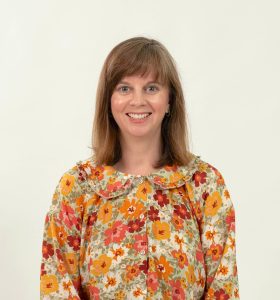
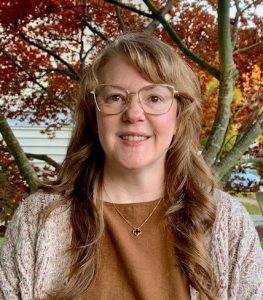 Brianna Strumm & Candace Eng – Nourishing Connections and Community Building: A Food Justice Teaching Inquiry

This food justice initiative invites us to see cooking as a regenerative act. The inquiry integrates community development, sustainability, and mental wellness into Social Work 380: Social Work and Community Development through the organization of a student-led cooking class using ingredients from UFV’s food bank hampers. Many users of the SUS Food Bank have limited cooking skills and experience, and this project provides an opportunity to build both skills and connection.
The cooking class allow up to 20 student participants to learn how to make a nutritious meal using low-cost ingredients while fostering empowerment and collaboration.
The project embodies regenerative sustainability by promoting social regeneration—restoring dignity, agency, and belonging around food. It positions the classroom as a microcosm of community, where learning how to cook a meal fosters inclusion, well-being, and local resilience. Students in SOWK 380 will get hands-on experience in planning and leading a community-based event (alongside the SUS Food Bank team) and will also co-create recipes and resource materials that extend community benefit beyond the cooking class and community development course. This approach encourages critical reflection on food insecurity, social responsibility, and systems change, while promoting wellness, belonging, and mutual care within the classroom community and across UFV. This project meaningfully advances the UN Sustainable Development Goals of Zero Hunger (SDG 2), Reduced Inequalities (SDG 10), and Responsible Consumption and Production (SDG 12).
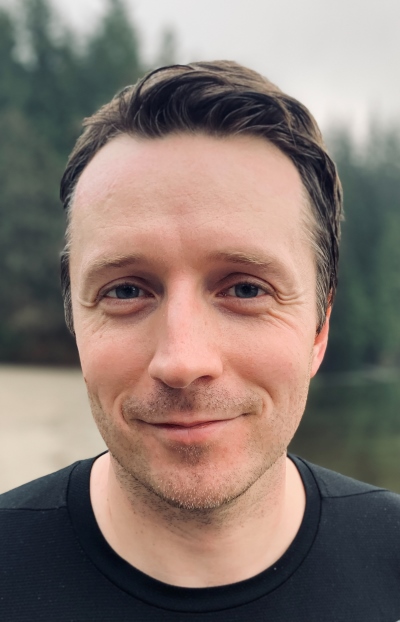 Rob Taylor – Sadiqa de Meijer on Language and Belonging
Rob considers regenerative sustainability through the lens of cultural preservation, language, and equity. For TIPP, he will host Kingston, Ontario-based essayist and poet Sadiqa de Meijer, whose essay collection, alfabet/alphabet: a memoir of a first language, won the 2020 Governor General’s Award for non-fiction. de Meijer will offer a public talk alongside workshops for Rob’s creative writing classes. The focus of these events aligns with the themes of social and cultural sustainability, with an emphasis on equity and cultural preservation. The sessions, in focusing both on de Meijer’s life and words, and the life and words of students in attendance (through Q&As and writing workshop activities), will touch on nearly all of UFV’s Institutional Learning Outcomes (ILOs). de Meijer’s writing also speaks to a number of the UN Sustainable Development goals, particularly SDG 4 (Quality Education), SDG 5 (Gender Equality), and SDG 16 (Peace, Justice, and Strong Institutions).
 Jas Uppal & Marina Tourlakis – Collaborative Inquiry for Bridging Science learning between High School and Post-Secondary
Jas and Marina’s inquiry is focused on collaboration between high school and post-secondary science educators to strengthen scientific literacy and critical thinking skills, which are key to addressing climate change and other complex challenges. Through dialogue and co-design, teacher candidates in UFV’s Bachelor of Education program will develop high school science units that embed evidence-based practices, Two-Eyed Seeing, and locally relevant contexts such as Fraser Valley climate impacts. By integrating regenerative thinking and climate action into curriculum planning, this initiative prepares learners to navigate interconnected global issues while supporting smoother transitions from high school to university science. This project aligns with SDG (4 Quality Education), and SDG 13 (Climate Action).