
November 2-8 is Pain Awareness Week by Courtney Snell (UFV Kinesiology student) and Cynthia Thomson (PhD, UFV Kinesiology)
Chronic pain affects about one in five Canadians, making it one of the most common reasons people seek medical care. Yet, despite how common it is, pain is often still misunderstood.
In our previous post we talked about rethinking how we understand pain, we provided the current definition (updated in 2020 by the International Association for the Study of Pain (IASP), along with some common misconceptions. To effectively treat pain, we need to first understand what it is and how it works.
Pain is complex!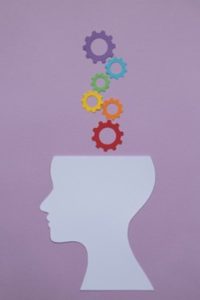

Pain is complex and is not directly related to what is happening in our tissues. Pain is created in the brain. More specifically, the brain considers all sorts of information, including signals from the body, learned experiences, trauma, emotions, cognitions, and cues from our environment. In other words, rather than being an “input” that comes from the tissues, pain is an output, a protective response your brain creates when it senses you might be in danger.
Pain is influenced by more than physical injury alone. Our thoughts, emotions, memories, stress levels, and even the environment we’re in can all shape how we experience it. These interactions form the foundation of the biopsychosocial model of pain, a way of understanding pain as a combination of biological (body), psychological (mind), and social (environmental) factors.
Moving Beyond “Just the Body”
Because pain is so complex, management needs to go beyond simply addressing the “physical” body. These techniques include treatments like:
- Mindfulness– to calm the nervous system and increase awareness
- Cognitive-behavioral therapy (CBT)– to challenge unhelpful thoughts about pain
- Pain science education– to help understand how pain works and reduce fear
- Physical Activity– reduce pain intensity, improve mood + sleep and enhance quality of life
Pain Care BC has a resource booklet that outlines some of these modalities along with other community resources for chronic pain.
Research also shows that combining multiple evidence-based strategies, rather than relying on just one, can show greater effectiveness. These multimodal programs integrate education, movement, and psychological tools to treat pain from all angles. Three recent notable randomized controlled trials (outlined below) explored multimodal pain interventions and found moderate to large improvements in pain-related outcomes in those receiving the intervention compared to control or placebo groups.
The Colorado Back Pain Study tested a program called Pain Reprocessing Therapy (PRT) which combines pain education with brain-training exercises like “somatic tracking” that aims to shift beliefs about pain. The study reported 66% of participants were pain-free or nearly pain-free after just four weeks, compared to 20% in a placebo group and 10% in standard care, with most maintaining their progress a year later.
In Australia, the RESOLVE trial, combined pain education with sensorimotor retraining, helping people reconnect with their bodies and feel safe moving again, and found significant improvements in pain and function.

Finally, our UFV team carried out a Mind-body app trial that explored the effectiveness of a multi-modal app called Curable Inc. Curable combines pain education, CBT, mindfulness, and expressive writing. Our trial reported improvements across multiple outcomes including reductions in pain intensity or severity, and improvements in psychological outcomes like quality of life, mood (depression, anxiety), and thoughts about pain.
The treatments described above don’t require medication or hands-on therapy, and thanks to virtual care, they’re easier than ever to access from home. In fact, Canadians living with chronic conditions are much more likely to utilize online options because they’re convenient, flexible, and secure.
The Role of Movement
While some people know exercise can help manage chronic pain, getting started and sticking with it can be tough. à Why? A lot of the time it can be because of a fear of movement, due to pain or fear of getting hurt again. This fear can lead to pain catastrophizing, where small sensations are seen as signs of major harm.
Over time, this creates a cycle: pain → fear → inactivity → more pain.
The good news is that understanding how pain works can help break this pattern. When people learn that pain during movement doesn’t equal harm, it can reduce fear and build confidence. Combining pain education with exercise is especially helpful. It helps people move more freely, stay active, and feel more in control, which, over time, can reduce pain and improve overall well-being.


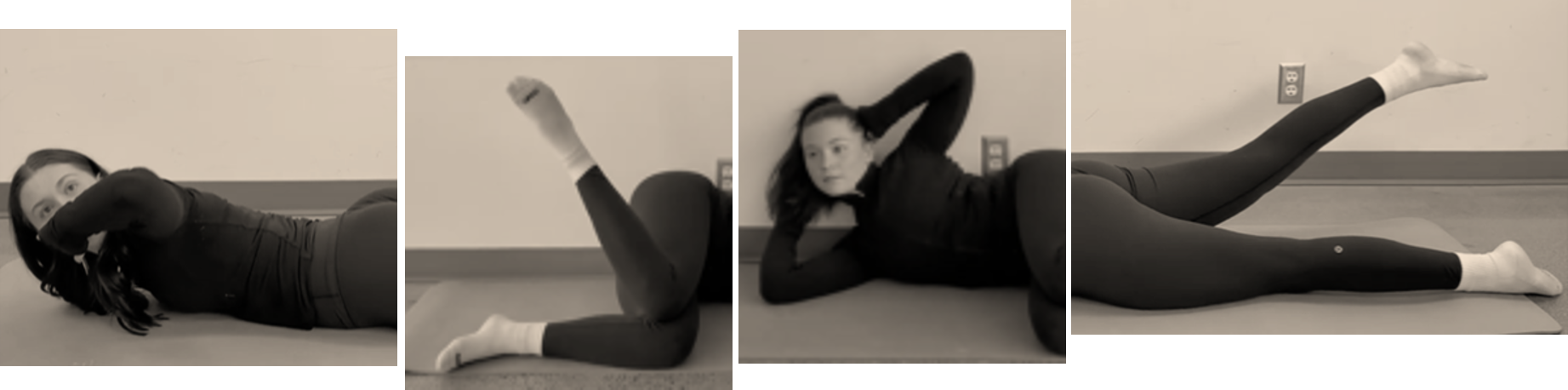
Somatic education focuses on reconnecting with your body through gentle, mindful movement.
The takeaway
Pain is in your brain, but it is not in your head. Pain is real, it hurts and can affect so many areas of our lives. By understanding that pain is more than just a signal from the body, and by addressing the mind, body, and environment together, pain management and treatment can look new and different. Chronic pain treatments can include education, movement, and mindfulness can be powerful tools in your journey toward relief. Now more than ever, these techniques can be made available through mobile applications, YouTube videos and podcasts.
Resources to get you started
Here are a few great websites and videos to get you started: Flippin’ pain, Pain Revolution, Like mind like body Podcast (Curable Health), Tell me about your pain Podcast (Curable Health), Yoga and Pain, and Somatic Education along with some evidence-based videos: Understanding pain in less than 5 minutes; Tame the beast.