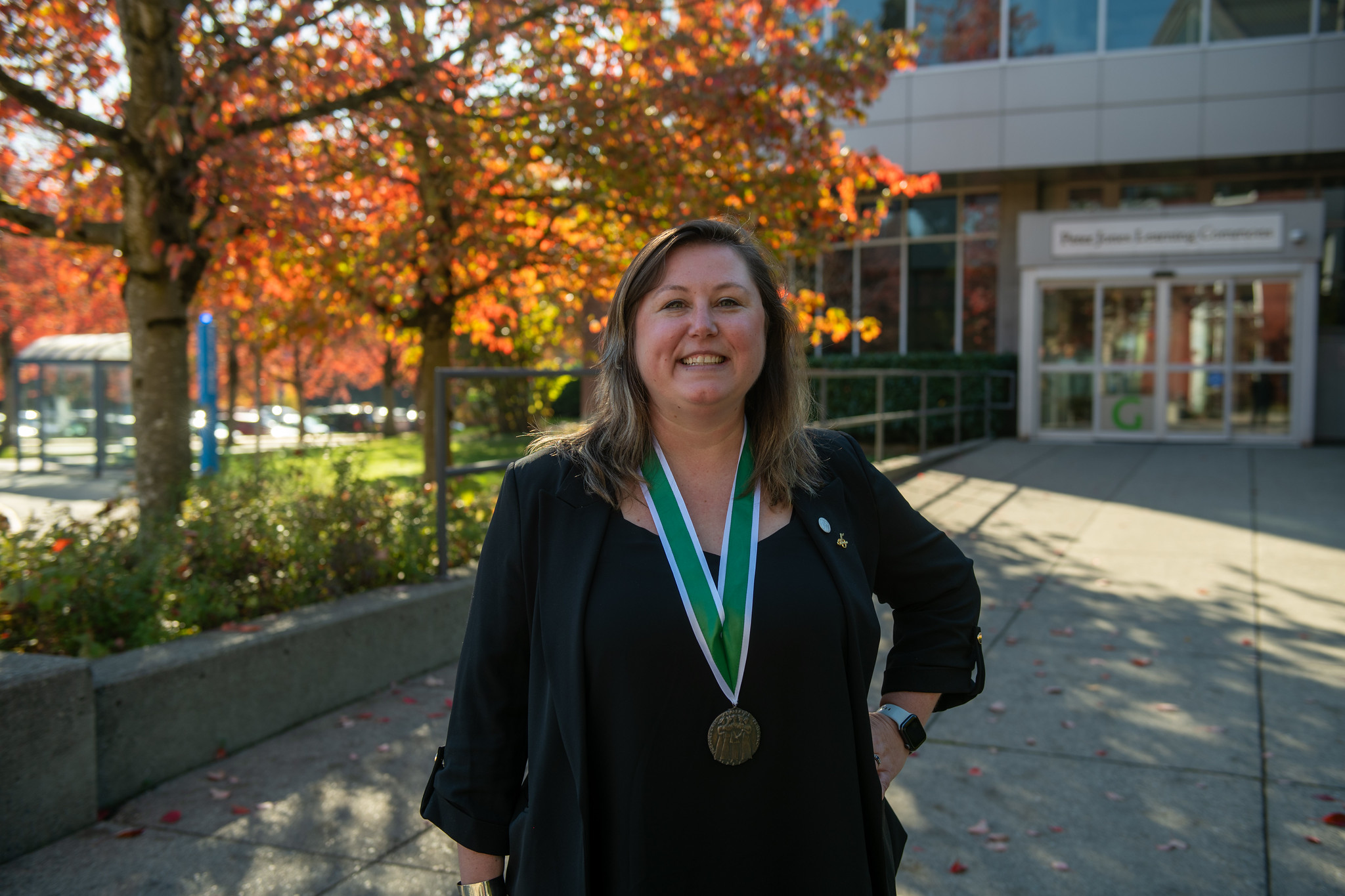

UFV’s Amanda Wurz helps kids with cancer and blood disorders move, play, and connect
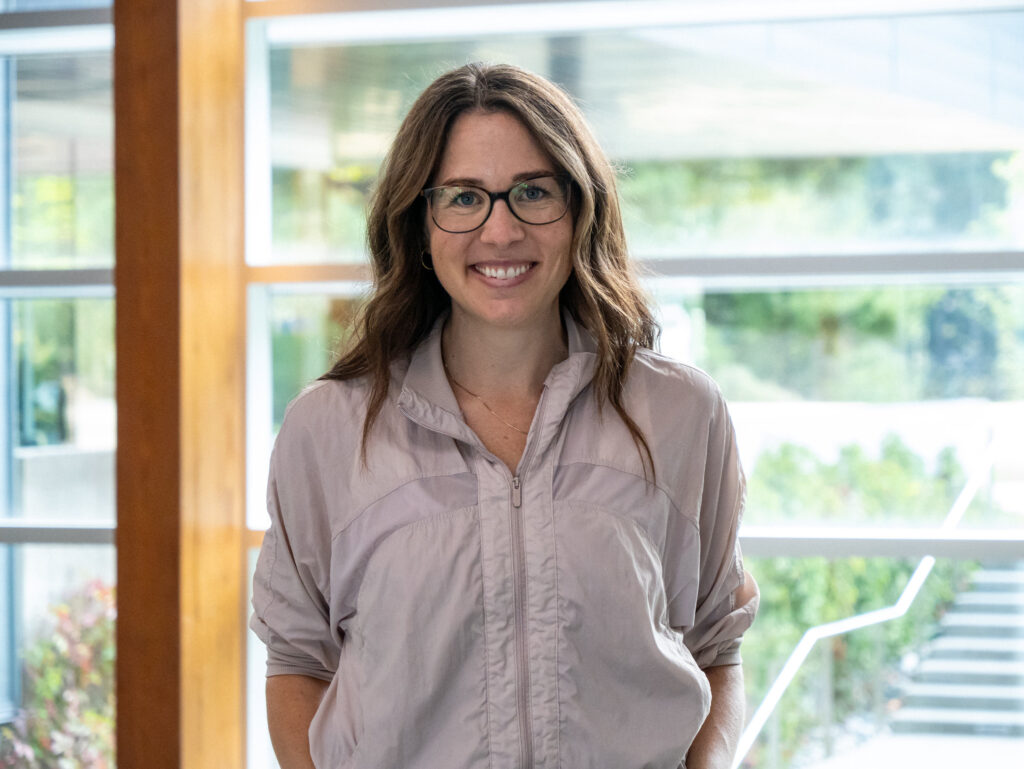
For children affected by cancer or blood disorders, staying active might mean performing gentle shoulder circles from a hospital bed. On other days, it could mean racing up and down the stairs to collect stuffed animals or learning how to play a new game or sport.
Whatever the activity, Dr. Amanda Wurz wants them to have the chance to move, play and simply be kids.
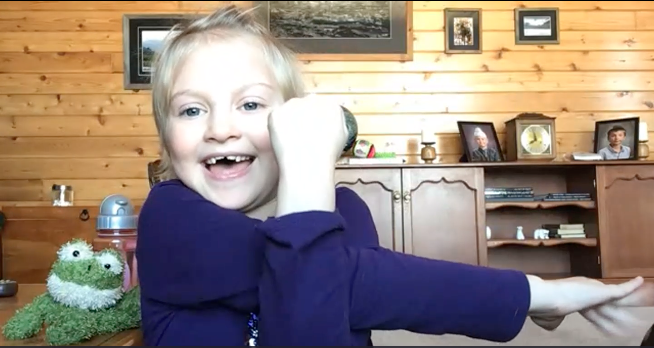
The UFV assistant professor is leading a national project bringing safe, accessible physical activity to children and adolescents with cancer and blood disorders. Amanda and her team, which includes UFV students, are launching The Move Club in B.C. this fall with planned expansion to Ontario and the Maritime provinces soon after.
“I feel like it’s special for UFV to be leading this. We have a lot of UFV students and trainees contributing in both staff and volunteer roles to help make it happen,” Amanda says. “They are contributing to a program with national reach, and a long-term goal to improve access to physical activity support for children and families regardless of where they live.
“That’s something I think our students and the UFV community can be very proud of.”
The roots of The Move Club go back to Amanda’s postdoctoral work at the University of Calgary.
“We know that during treatment, physical activity decreases or stops altogether because the kids aren’t feeling well, they’re in and out of hospital, or they’re hooked up to lines that can make it uncomfortable and hard,” Amanda says. “That was the impetus for developing the first program — to find a way to meet kids virtually and help them stay active with safe and enjoyable play-based activities.”
Funded by Michael Smith Health Research BC and the Canadian Cancer Society, The Move Club is a 12-week, fully virtual program offering individualized physical activity support to children and adolescents diagnosed with cancer or a blood disorder who are on- or off-treatment.
Families without the necessary technology or reliable internet access can be provided with a tablet and data for the duration of the program. Children also receive Fitbits to help measure their activity.
Amanda and her team have spent the past year working with children and adolescents, their families, clinicians and community partners to build on what they learned from the Alberta program.
The Alberta program was for those on-treatment only, but in B.C. and across Ontario and the Maritime provinces, The Move Club will be for those on-treatment as well as those who have completed treatment.
The Alberta program was also entirely individual, but in B.C., Amanda heard overwhelmingly that children also need opportunities to connect with others who understand what they’re experiencing.
“A child might be immunocompromised, and they can’t see anyone else. They can’t have friends over and it can be really isolating,” Amanda says. “The treatment might cause appearance changes, weight gain, or muscle wasting — and even when kids have social opportunities, they might feel they look different from their peers and can’t engage in activities the way they could before.
“And so, having the opportunity to be with children who are going through the same experience can be very beneficial.”
The thinking around exercise and pediatric cancer and blood disorders is also changing. With respect to pediatric cancer, decades ago, when survival rates were much lower, the focus was understandably on treatment.
“But now in Canada upwards of 85 per cent of children diagnosed with cancer will survive at least five years, and many will go on to live for decades following treatment,” Amanda says. “As medicine and care have advanced, studies have followed that show how safe, individualized physical activity can be highly beneficial for patients.”
The Move Club meets children wherever they happen to be physically on a given day, adapting activities to how they’re feeling and where they are in their treatment and recovery.
“If they’ve just had a certain treatment or they’re feeling unwell, it might just be gentle shoulder circles,” Amanda says. “If they’re in bed, it might just be getting up and down from that bed, and when they’re feeling better and they’re at home, it might be running up and down the stairs getting stuffed animals to show us.”
“After treatment, movement might look like learning skills to support engagement in a favourite sport or activity or gaining strength, flexibility, or fitness, and we had really good buy-in from families in Alberta because it works at their child’s pace.”
Behaviour-change techniques are also built into the program, helping children develop the confidence to remain active after their 12 weeks with The Move Club ends.
For Amanda, working with the children is a regular reminder that despite everything happening around them, they still want many of the same things as any other child.
“They may be looking or functioning differently or feeling unwell, but when they’re feeling up to it, they just want to be treated like a kid, and they want to play like a kid, and make friends,” she says.
Amanda is hopeful this program will take root across Canada and become sustainable for years to come. The ultimate reward will be seeing children live well during treatment and carry that active life with them long after treatment ends.
“I feel incredibly privileged to work with these children and families,” she says. “I’ve had parents tell me their child was able to keep moving even through some of the most intensive parts of treatment. I’ve seen children find ways to play and be active on really difficult days, and we have had families send photos months or years later of their child mountain biking, horseback riding, or graduating from high school.
“Not every child gets that future, and it makes the time we have incredibly meaningful. Their strength and resilience stay with you.”