
UFV’s Peace and Reconciliation Centre earns international recognition
The University of the Fraser Valley’s Peace and Reconciliation Centre (PARC) has been recognized internationally for its ongoing success creating partnerships with Indigenous communities.
The Council for Advancement and Support of Education (CASE) presents annual Circle of Excellence Awards — recognizing exceptional achievement in advancement services, alumni relations, communications, fundraising, and marketing. CASE recognizes creative, inspiring projects that impact institutions and their communities — and transform lives around the globe.
UFV’s PARC received a Silver Award in Targeted Constituency Engagement, recognizing initiatives that engage a targeted constituency in activities or events that advance an institution’s mission or goals. PARC’s submission was one of only six recognized in the category and the highest-ranked initiative from Western Canada and the Pacific Northwest.
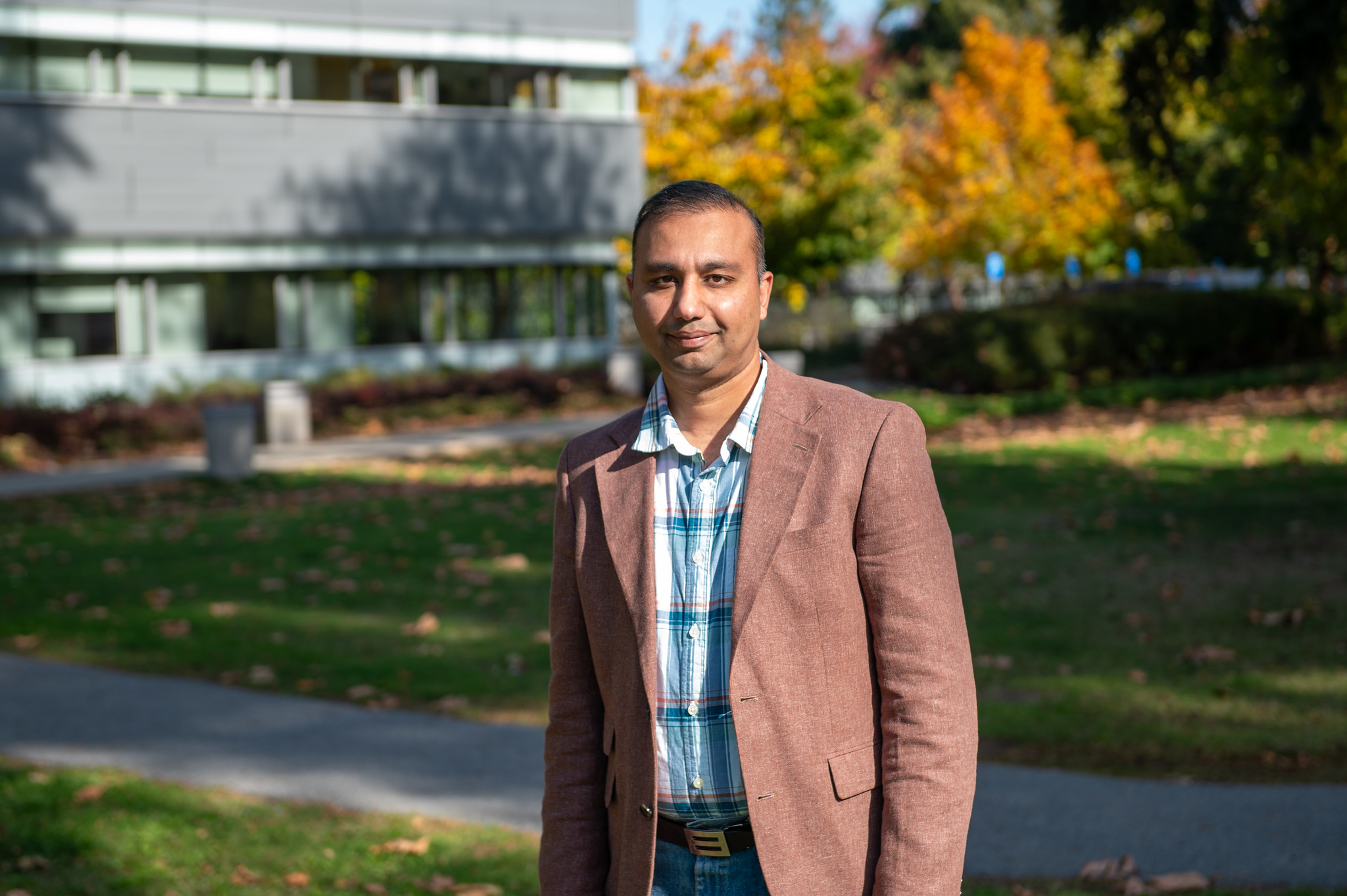
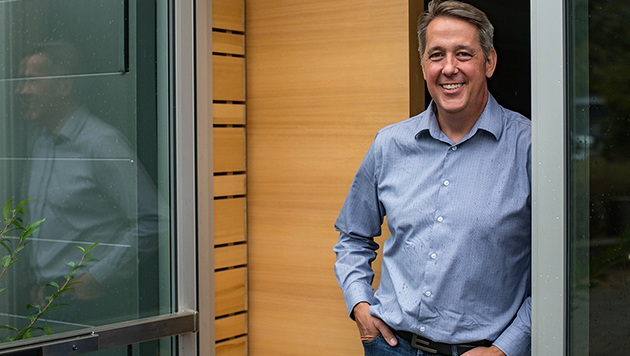
“We work to be responsive to communities,” says Dr. Keith Carlson, PARC director and a Canada Research Chair in Indigenous and Community-Engaged History. “Our best initiatives emerge from invitations that communities make for us to partner with them; to create something for and with them. In this way our research, teaching, and programs are directly relevant and meaningful. They help facilitate change that is anchored in solid scholarship that addresses community-identified priorities.”
According to UFV’s award submission, when UFV established PARC in 2020, it succeeded in moving institutional reconciliation beyond statements and into public practice.
“PARC was created as a shared community-university space where Indigenous leaders, students, faculty, elders, nonprofits, and local governments work together,” the submission noted. “The centre hosts community dialogues, cultural and experiential learning, and public education to connect academic study with community priorities. Students participate directly through coursework, placements, and events, bridging theory and practice.”
Among the many notable projects carried out by PARC:
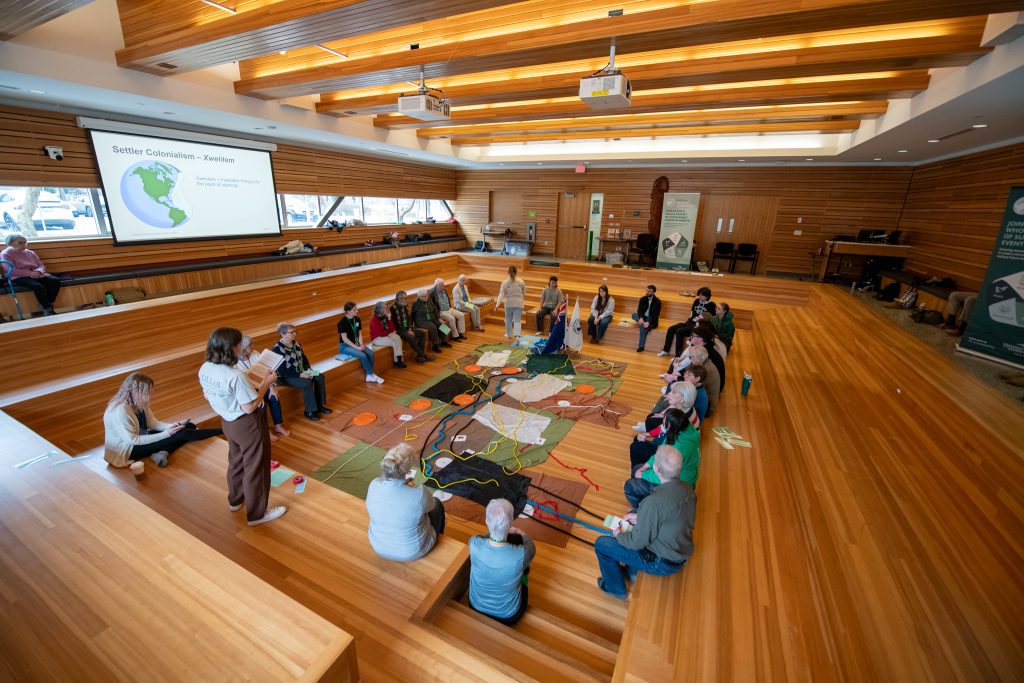
– Beyond Blankets: A Stó:lō Lands Exercise is an immersive, community-developed learning experience that invites participants to journey through the history of Stó:lō Téméxw. Through experiential learning, participants explore the impacts of settler colonialism while gaining a deeper understanding of Stó:lō history, relationships to the land, and the enduring resilience and continuity of Stó:lō people.
– Xwelítem Siyáya: Allyship and Reconciliation Building has welcomed hundreds of participants into a relational learning experience that explores Indigenous–settler histories, relationships, responsibilities, and pathways toward reconciliation. Through dialogue, reflection, and learning alongside Indigenous educators, Elders, and Knowledge Keepers, participants deepen their understanding of authentic allyship and the ongoing work of reconciliation.
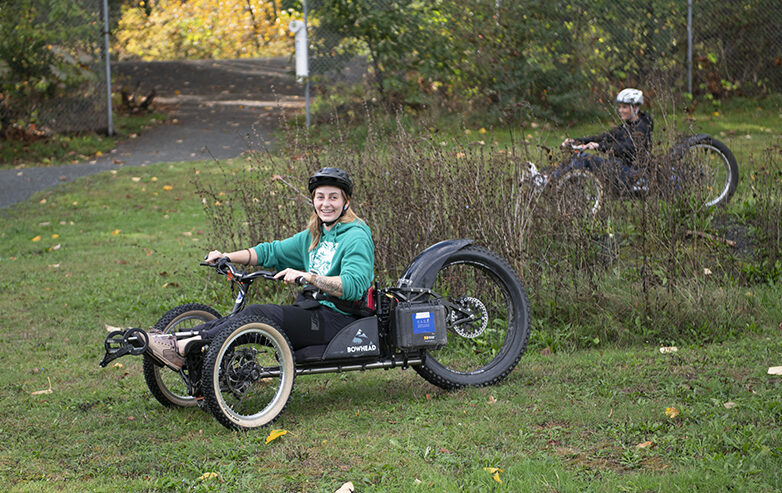
– The BMO Collaboratorium partners with community organizations to support affordable, community-engaged research while creating meaningful opportunities for undergraduate students to apply their skills to projects that advance peace, reconciliation, and positive community impact.
According to the CASE judges, PARC demonstrates how institutional advancement can function as public trust-building.
“The centre prioritizes community partnership over traditional communications tactics. By investing in physical space, student involvement, and programming that centers on Indigenous voices, the initiative demonstrates an authentic approach to trust-building and reconciliation. Its societal impact and its shift from a donor-centric to a community-centric model offer a powerful example for institutions seeking to deepen their role as civic partners.”
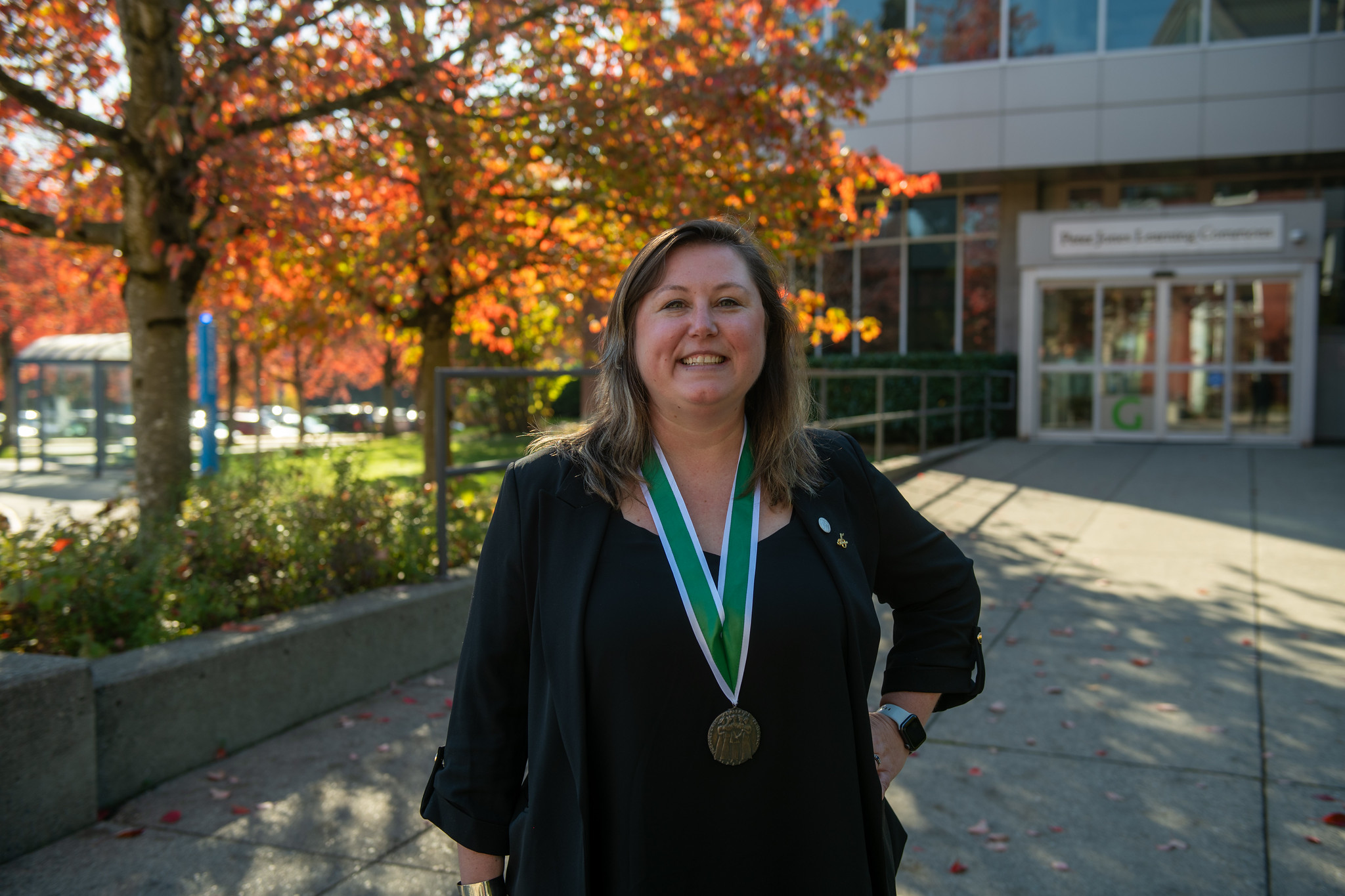
For Leanne Jarrett, PARC’s coordinator, the recognition is ultimately a reflection of the relationships behind the work.
“At the heart of these initiatives are relationships, dialogue, and shared experiences that invite people to learn from and with one another,” she says. “It’s encouraging to see that approach recognized, and the recognition belongs just as much to the students, community partners, Elders, and Knowledge Keepers who have shaped this work as it does to those of us who help coordinate and support it.”
Eric Welsh — eric.welsh@ufv.ca