
UFV researchers help lay the foundation for food security in Canada’s North


Two UFV researchers from seemingly disparate backgrounds have found that by combining their strengths, they can offer support to Indigenous groups in northern Canada interested in improving food security.
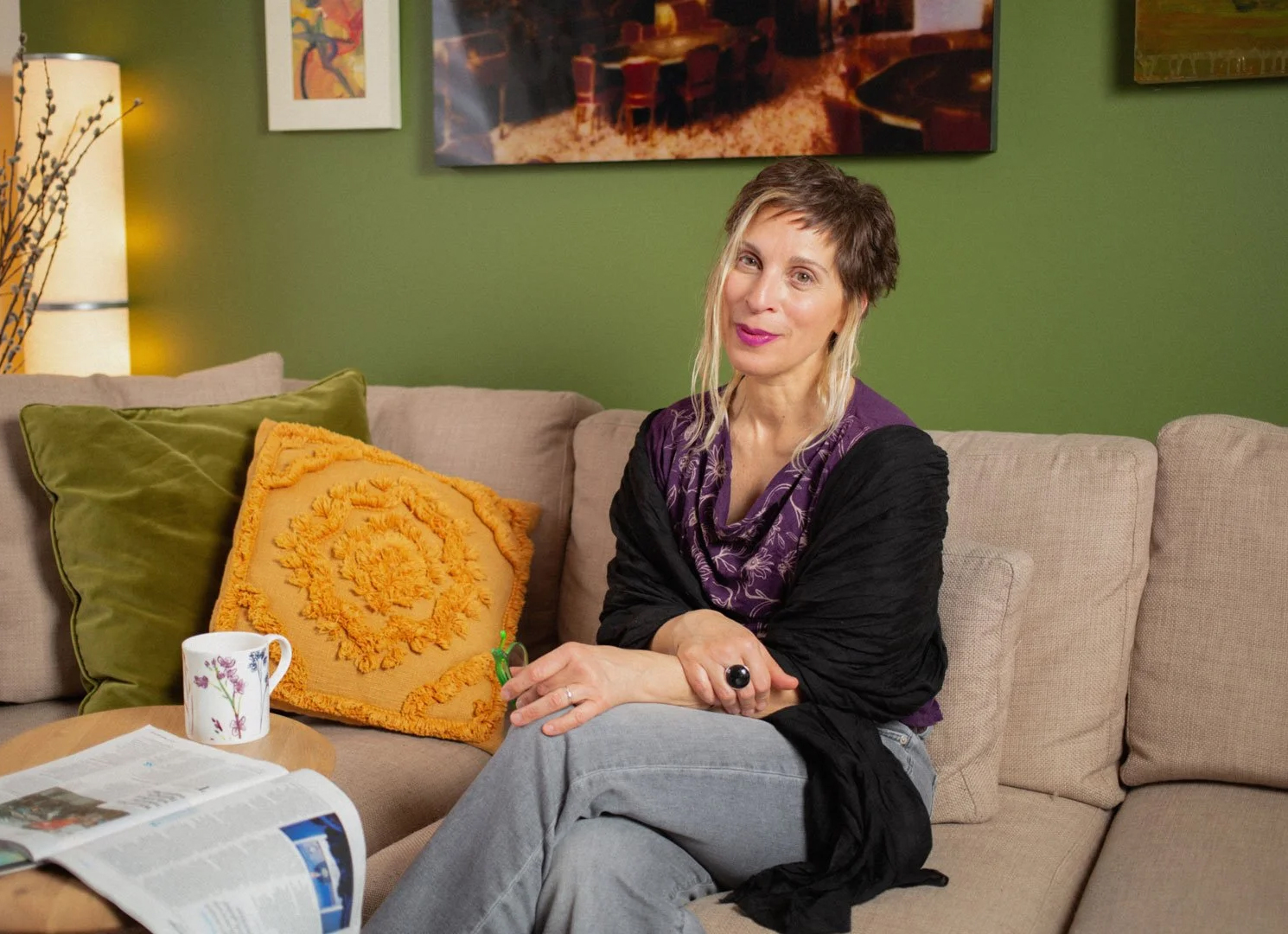
Dr. Cindy Jardine and Dr. Lauren Erland, both federally funded Canada Research Chairs at UFV (Cindy in Health and Community and Lauren in Berry Horticulture), decided to work together when Cindy realized that Lauren’s horticultural research focus would complement her own experience in community-engaged health research.
“Climate change is disproportionately impacting Indigenous Peoples in northern Canada, who are experiencing rising temperatures and an increased frequency of unpredictable weather phenomena, including droughts, floods and forest fires,” Cindy notes. “These shifts are negatively affecting the quality, quantity, and availability of native plants that Indigenous populations have traditionally relied upon for sustenance. As food security is already problematic in many remote northern communities in Canada, exploring the possibilities for continued access to traditional plant foods, as well as expanding production to other acceptable agricultural foods, is important to establishing food sovereignty.”
The UFV professors received a Catalyst grant from the Canadian Institutes of Health Research, Canada’s federal funding agency for health research. Catalyst grants provide seed money to start a new research initiative, igniting conversations with community partners that can lead to next steps.
This Catalyst project, titled Strengthening and Enhancing Agriculture for Indigenous Community-Driven Climate Change Food Security in Northern Canada, drew on strengths from both of their areas of expertise, as well as input from Elders and other community members.
Cindy has a long history of working with Indigenous communities in the North, particularly the Yellowknives Dene First Nation in the Northwest Territories (YKDFN). Lauren brought her plant expertise to the table.
“The project brought together our expertise in community engagement and plant biology, both of which were needed to make it work,” notes Cindy.
Earlier this fall they conducted a Photo Voice project with four- and five-year-olds from the K’alemi Dene School in the Yellowknives Dene First Nation. The children were given cameras and asked to take photos of plants that they like to eat.
Specific topics for the photos included traditional plants and berries they eat or use, places where they have gone to collect these plants and berries, plants they are growing as part of their school projects, and their favourite plant or berry to eat.

Older children did a geocache challenge where they were given GPS coordinates and went searching for traditional plants that had been identified as important to their food culture.
Once they found the plants, they conducted basic plant health tests, including measuring pH balance, examining the soil the plants grew in, and testing the sweetness of the plants using a Brix refractometer, which measures the concentration of sugar in a liquid.
At each site, they also viewed a video of an Elder describing the traditional importance of the plant.
Working with the youth, Lauren and Cindy interviewed Elders, who identified key food plants in their local environment and created information sheets about the plants, including the plant names in English, Latin, and the local Wıı̀lıı̀deh Yatı language.
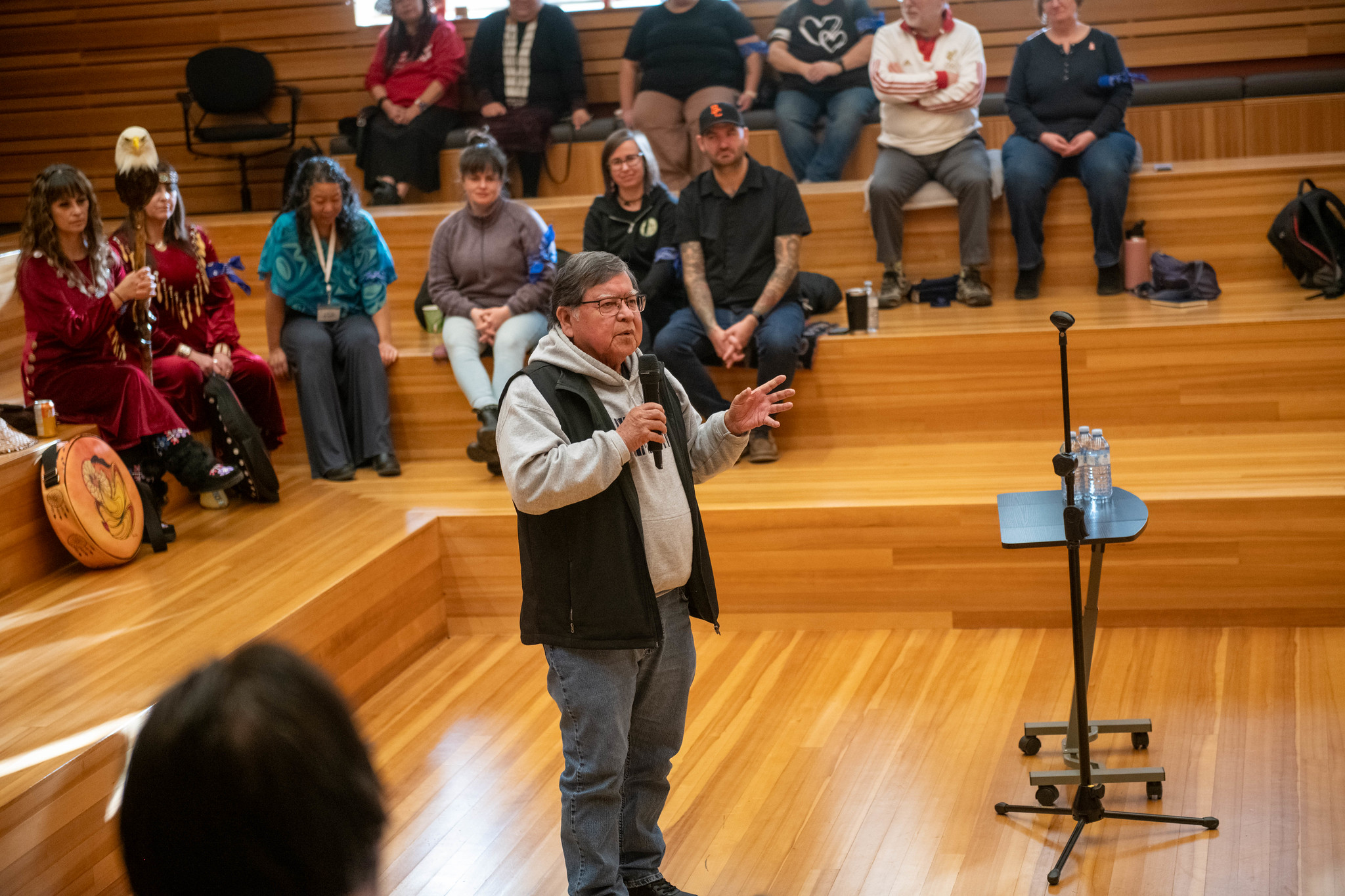
The next step will be a community meeting, where the research team will explain to adult members of the community and the local school board what they learned from working with the children and youth, and discuss next steps.
A class at the Dechı̨ta Nàowo post-secondary education department, run by the Yellowknives Dene First Nation, was interested in learning more about Indigenous food sovereignty.
Representatives from the community accompanied Cindy and Lauren on a two-day whirlwind tour of local food production systems in BC, including a community garden on the Tzeatchen First Nation, a vertical garden run by Archway Community Services in Abbotsford, and a traditional “food forest” in Kanaka Bar First Nation. They then presented what they had learned to the adult learning class at the learning centre.

The BC tour included Cindy, Lauren, Dr. Laurie-Ann Lines (Yellowknives Dene First Nation community member and Manager of Post-Secondary Programs at Dechı̨ta Nàowo) and Rebecca Vrdolak (a Dechı̨ta Nàowo student).
“The climate is changing in Canada’s North,” notes Lauren. “This poses two questions: is the change good or not good for existing food sources, and does it open up the opportunity for new food sources? Through our project we are trying to find out what the community’s priorities are, because introducing new food only works if people want to eat it.”
She notes that working with children through the Photo Voice project and the geocaching challenge is an effective way of opening up a community conversation about food security and priorities as parents are curious about what their children are learning through these activities.
The overall goals of the project were to:
- use a community-driven approach to understand climate change related food security issues from the perspective of Indigenous Peoples in Canada’s north
- determine the actions required for sustainably strengthening and enhancing agriculture (for both new and native plants) to address these issues and establish food sovereignty for those affected, and
- develop a future proposal to address community concerns and needs to advance food sovereignty and self-determination.
The issues and required actions identified through the project will form the basis for a subsequent research proposal from YKDFN and UFV to further investigate the extent of identified climate change food security issues and potential actions, develop strategies for addressing these, and evaluate the impacts of actions on community members.
Ultimately, Cindy and Lauren hope to help their partners establish a vibrant community of knowledges and practices that provide northern Indigenous Peoples access to healthy, locally grown, and culturally appropriate foods, advancing their food sovereignty and self-determination.