
University of the Fraser Valley’s new experiential learning lab enhances nurse education
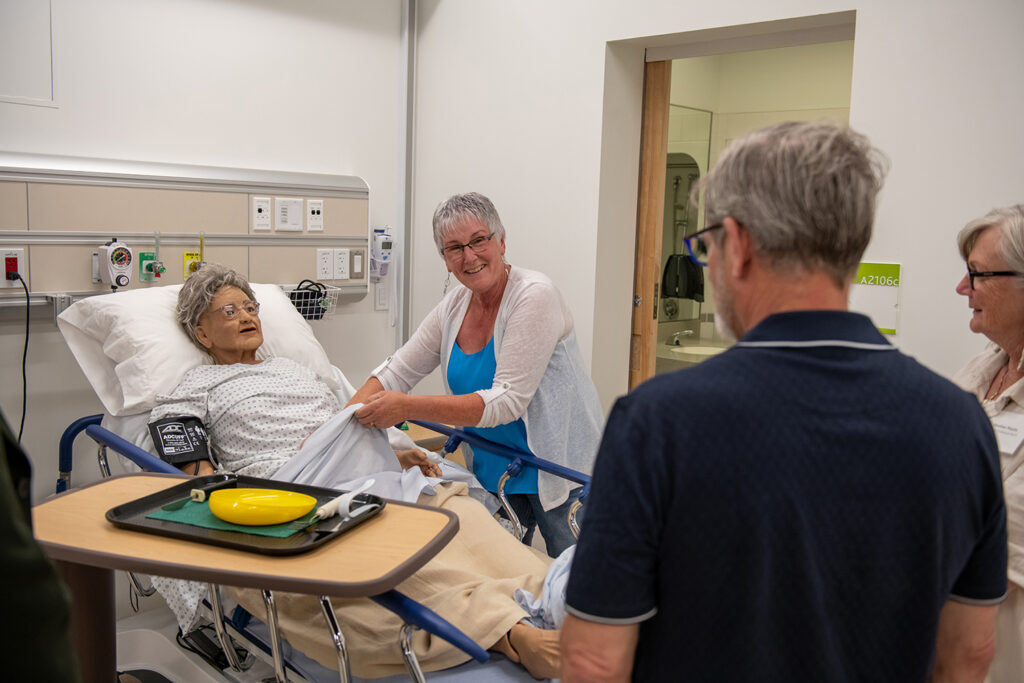
The University of the Fraser Valley (UFV) is opening an Experiential Learning Lab (ELL) on its Chilliwack campus, a flexible learning space with a layout and technology that mimic a health-care clinical environment.
Historically, nursing students have benefited from experiential learning in hospitals, clinics, and laboratory settings. But with nursing shortages and more patients to care for, health practitioners are less able to provide students with appropriate learning opportunities.
By creating the ELL, UFV offers a setting where students can develop their critical thinking and psychomotor skills before heading out for a clinical practicum. Having been exposed to controlled, realistic, intentionally focused learning experiences in the ELL, they are better equipped for a real-world setting.
“Enhancing engagement and bridging theory and practice, simulation-based learning in the lab supports students as they transition into professional practice and strengthens their ability to provide safe, effective care for individuals, families, and communities,” says Cindy Schultz, Associate Dean of the Faculty of Health Sciences.
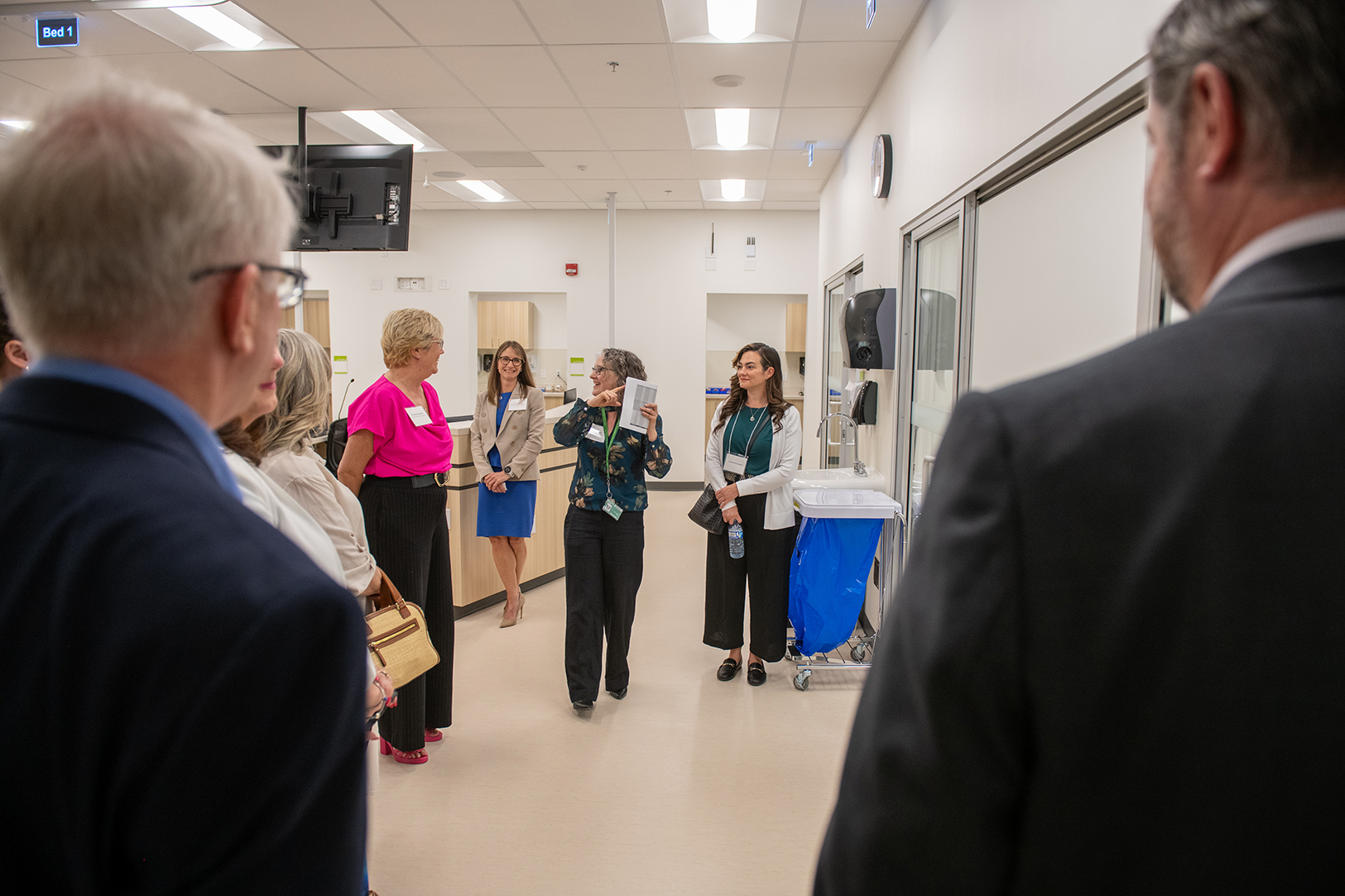
The ELL is the result of a successful funding proposal submitted to and approved by the Ministry of Post-Secondary Education and Future Skills.
Minister Jessie Sunner says the government is proud to support UFV in creating the ELL, a space that gives students hands-on, real-world preparation for careers in health care.
“By expanding access to high-quality training opportunities in the Fraser Valley and across the province, we’re helping more people gain the experience they need to enter the workforce with confidence,” she says. “This will help strengthen B.C.’s health-care workforce and improve care for patients in communities across the province.”
Enrolment in UFV’s health studies programs continues to rise, and the ELL accommodates current and future growth. Lee-Anne Stephen, Director of UFV’s School of Health Studies, says that in order to provide high-quality learning experiences, UFV needs to keep current in the experiential learning opportunities provided to students.
“Learning in this lab will assist us in responding to the different ways our students learn, supporting diverse learning approaches and student success, and reinforcing UFV’s commitment to accessible, innovative, and transformative educational experiences.”
Internally, Stephen says the ELL creates opportunities to engage with other departments across UFV, offering institution-wide experiential learning opportunities that break down teaching silos.
“Students’ learning is improved when they learn together, and the creation of this space will allow for collaboration and connection across programs as students work as a team,” she notes. “One of the keys to safe patient care is working as part of a team, which is challenging to consistently replicate in the clinical setting. This learning space will provide us with the opportunity to teach our students more effectively how to work as part of a team for better patient outcomes.”
Externally, Stephen says the ELL will create opportunities to expand and enhance partnerships. with health authorities and other educational institutions. to provide training that further supports learners’ development of clinical knowledge and skills.
“By welcoming internal and external partners into the ELL — including health authorities, Indigenous partners, other post-secondary partners, government representatives, donors, alumni, and community leaders — the ELL strengthens meaningful relationships and creates opportunities for collaboration, applied research, and action-oriented projects that support improved health outcomes across the region,” she says.
The ELL, Schultz adds, is also a response to one of the Truth and Reconciliation Commission’s Calls to Action (63.3), building student capacity for intercultural understanding, empathy, and mutual respect.
“When developing the space and creating learning opportunities within the space we will be collaborating with our Indigenous partners, Teaching and Learning specialists, and students,” she says. “Simulation, as a teaching strategy, aligns closely with the First People’s Principles of Learning.”
Click here to learn more about experiential learning at UFV.
Eric Welsh — eric.welsh@ufv.ca