
UFV partnership opens new paths to inclusion through adaptive cycling
The University of the Fraser Valley is partnering with Tourism Chilliwack, the City of Chilliwack, and Indigenous partners Ts’elxwéyeqw Tribe and Stó:lō Research and Resource Management on a project that will help people with diverse physical abilities enjoy the natural beauty surrounding UFV’s Chilliwack campus.
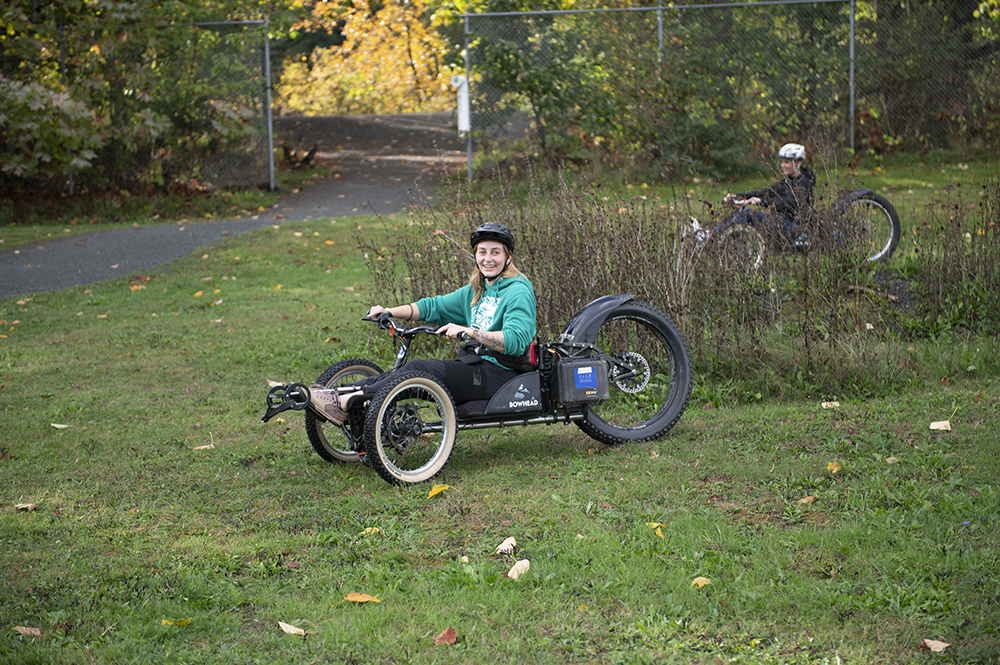
The Adaptive Cycling Project provides free access to specialized bikes, removing a significant barrier that has prevented some people from experiencing the Vedder Rotary Trail, a picturesque path running along the Vedder River behind the campus.
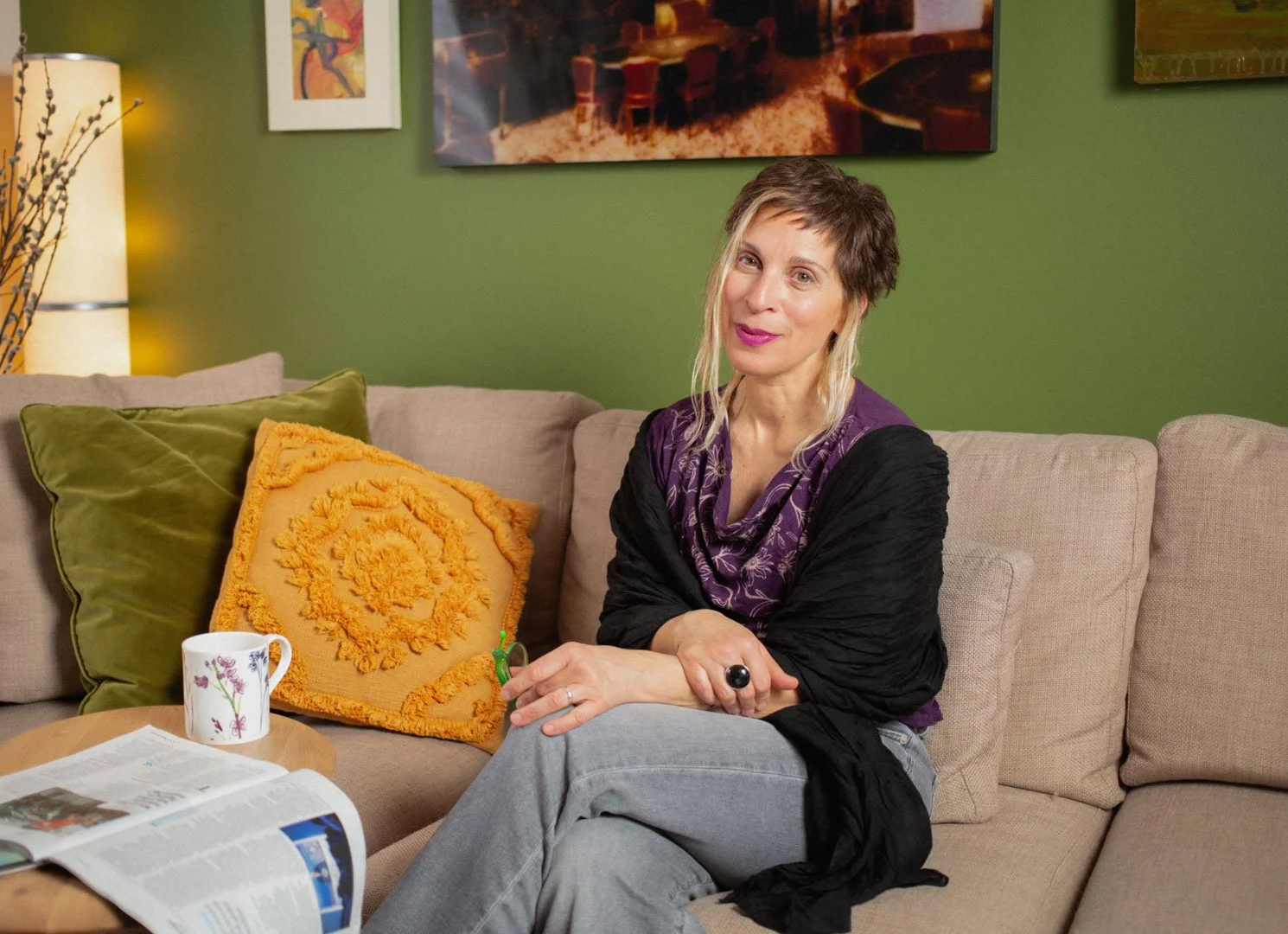
“Chilliwack is incredibly fortunate to have access to places in Stó:lō Téméxw, such as the Vedder River and the beautiful trail network that surrounds it,” says Lara Duke, UFV’s dean of Health Sciences. “But a shared community is only truly shared when everyone can experience it. That’s what makes this project so meaningful.”
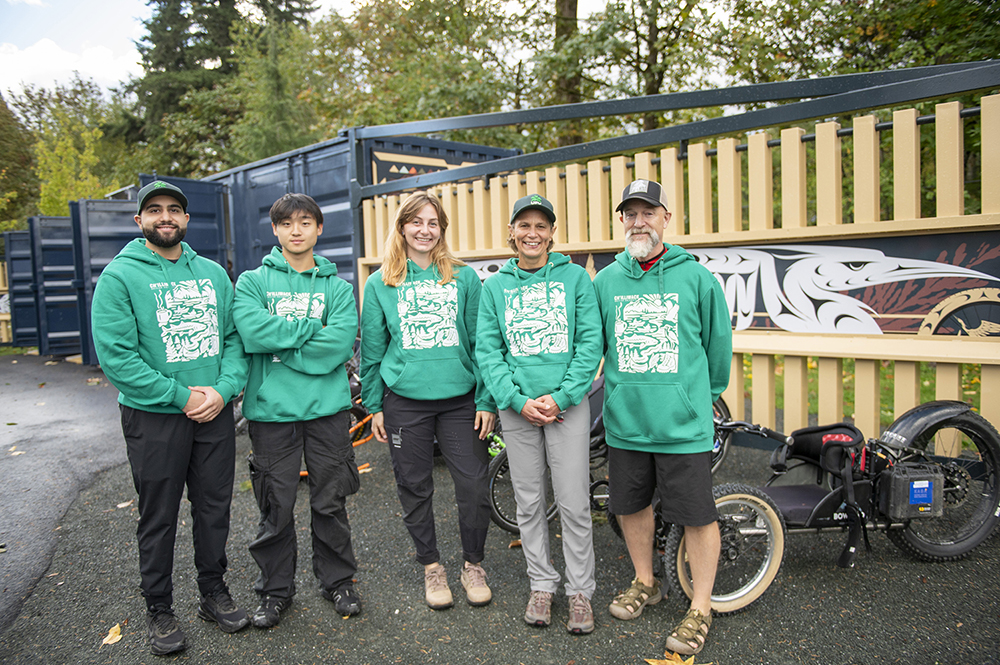
Three UFV kinesiology students and alumni — Harman Boparai, Amanda Lukiv and Henry Fu — along with faculty members, Michael Gaetz, director and professor of kinesiology, and Karen Natho, kinesiology instructor, have completed training to support people participating in adaptive cycling.
Amanda, a third-year student who enjoys mountain biking and spending time outdoors, jumped at the opportunity to get involved.
“I love coaching and teaching, and if I can make an activity more accessible to the community by volunteering my time, that’s something I’ll jump on,” she says. “I’ve had lots of good coaches and teachers in my life, and I know what a difference it makes when you’re taught by someone who loves what they do, and knows how to explain things and be patient, and that’s what I hope I bring to this.
“It’s an excellent opportunity to do something different, and I strongly believe the more experiences I can have in life, the better.”
The program has five bikes available, representing three different models. Four are hand-powered, with electric assist, to make pedalling easier for people with injuries that affect the functioning of the lower limbs who have sufficient upper-body strength. The fifth is a foot-powered recumbent bike.
“It’s been awesome learning to use these bikes,” Henry says. “I’ve been on two wheels my entire life, and when you get on one of these, it feels the same, but more comfortable. And it’s been really cool listening to our instructor, Ethan Kruegar, tell us stories about people who’ve been on bikes like these.”
Ethan was paralyzed from the stomach down in 2010 and has spent the past 16 years promoting adaptive cycling. He says the biggest barrier is often the cost of specialized equipment, making free access to the bikes a tremendous opportunity.
“To be able to go out with family and friends and play on a bike at no cost, that’s something that’s insanely awesome,” he says. “It’s not that long ago that a program like this was a pipe dream, a huge wish-list item for a lot of people. But what I’ve seen many times is that when people are out of their mobility device and back in nature, after about 20 minutes of riding they say they’ve completely forgotten they had a disability to begin with.
“Nature is healing.”
For Lara, Ethan’s experiences reinforce the value of the project. She says UFV students have already benefited tremendously from spending time with him, with even more to gain through the experiential learning opportunity.
“They’re taking what they’ve learned in the classroom and putting it into practice in a way that has a direct and meaningful impact in our community,” Lara says. “This is exactly the kind of changemaking we want to see at UFV: students, faculty, and community partners working together to identify a need, create an opportunity, and make a real difference in people’s lives.”
In addition to providing students and faculty to support the program, UFV has made land available for storing the bikes.
The Adaptive Cycling Project is part of the larger Good Neighbours Lhewámel Project, an initiative creating meaningful, culturally rooted public spaces that foster reconciliation, connection and community across Chilliwack.
Rooted in the Sí:yá:ya Yóyes (Friends Working Together) Plan, the initiative strengthens relationships between Indigenous and non-Indigenous communities through thoughtfully designed gathering spaces, storytelling elements and immersive experiences.
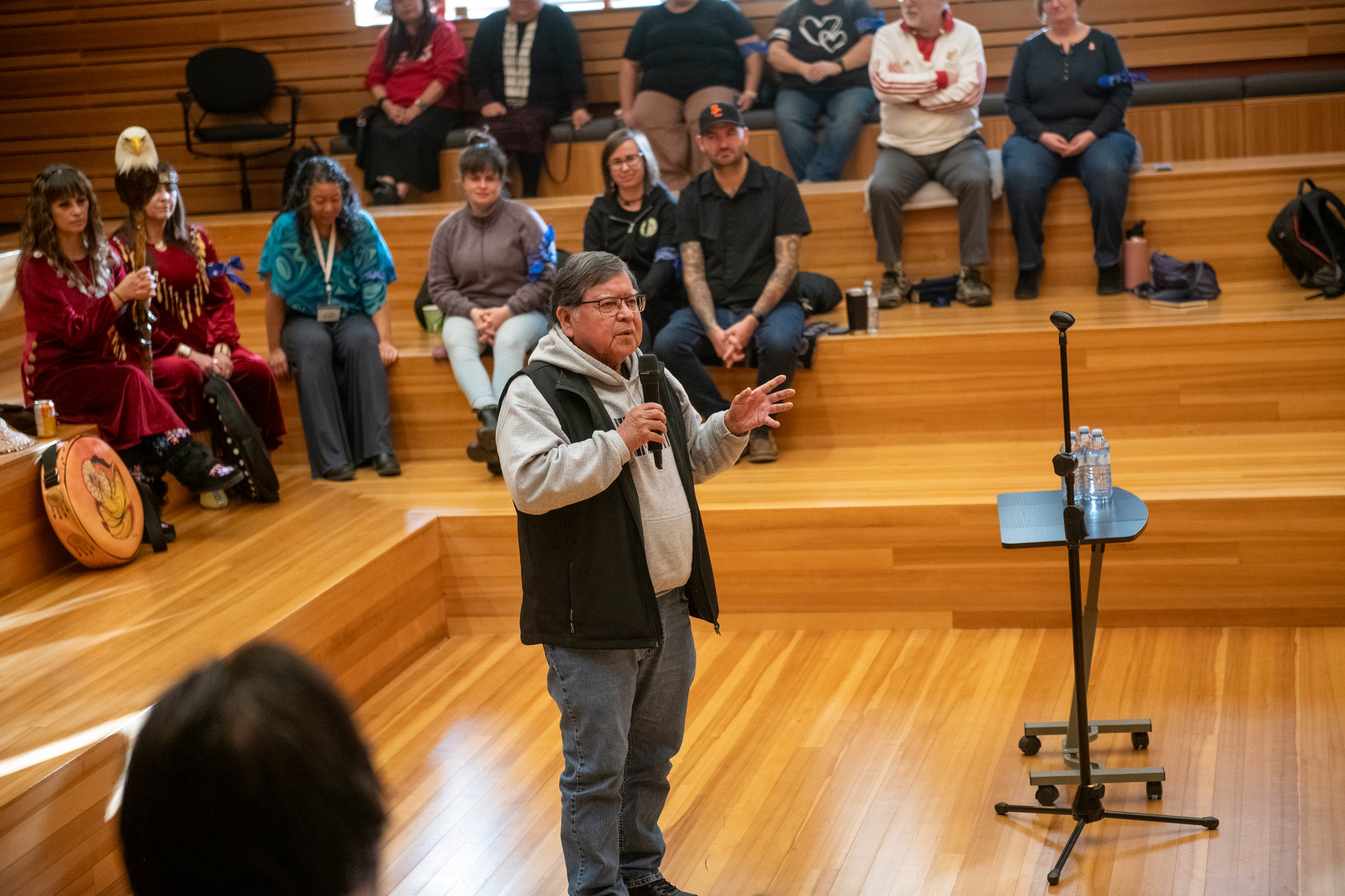
Among the community leaders taking an adaptive bike for a spin at a recent try-it-out event was UFV honorary degree recipient and Squiala Chief and CEO David Jimmie.
“Good Neighbours Lhewámel Project is about understanding that this is our shared home, and that everyone should have the opportunity to experience and build a relationship with the land,” he says. “Adaptive cycling opens that experience to more people and creates another way for us to come together, learn from one another and care for S’ólh Téméxw.”
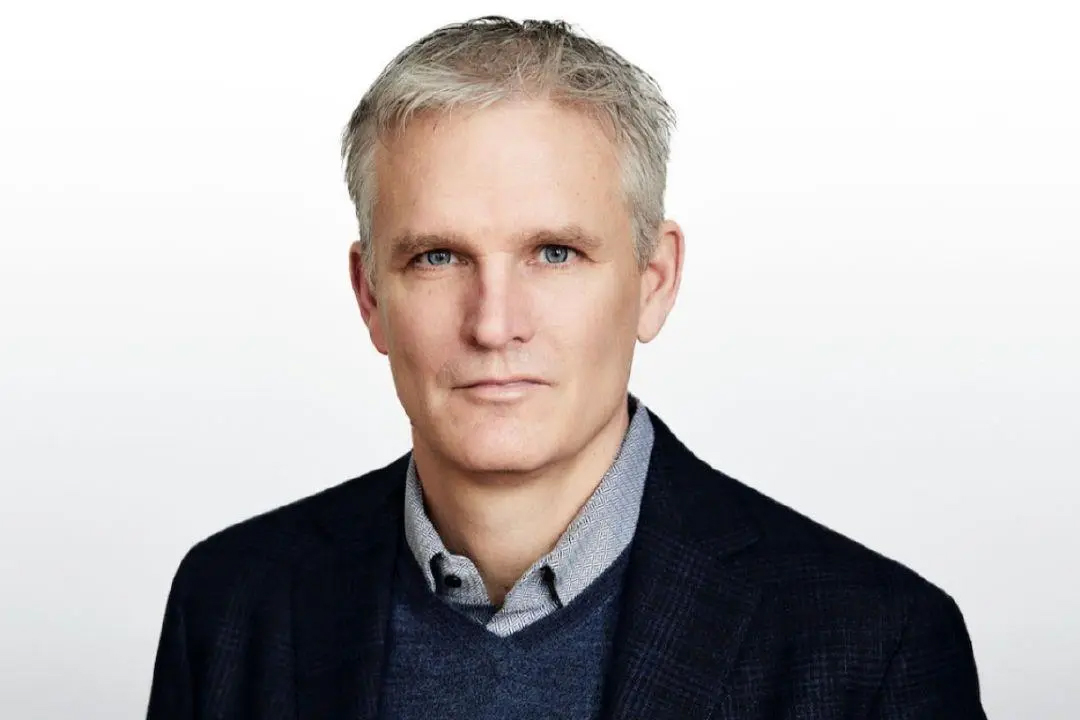
Brian Minter, chair of Tourism Chilliwack and a former UFV chancellor, says the project is a wonderful example of what can happen when community partners come together with a shared vision.
“What makes this initiative so special is that it goes far beyond the bikes — it brings together accessibility, Indigenous storytelling, education, recreation and stewardship,” he says. “Most importantly, it gives more people the opportunity to experience this extraordinary landscape and feel that they belong here.”