
What helps women thrive in search and rescue? Join a webinar with UFV researcher Jelena Brcic
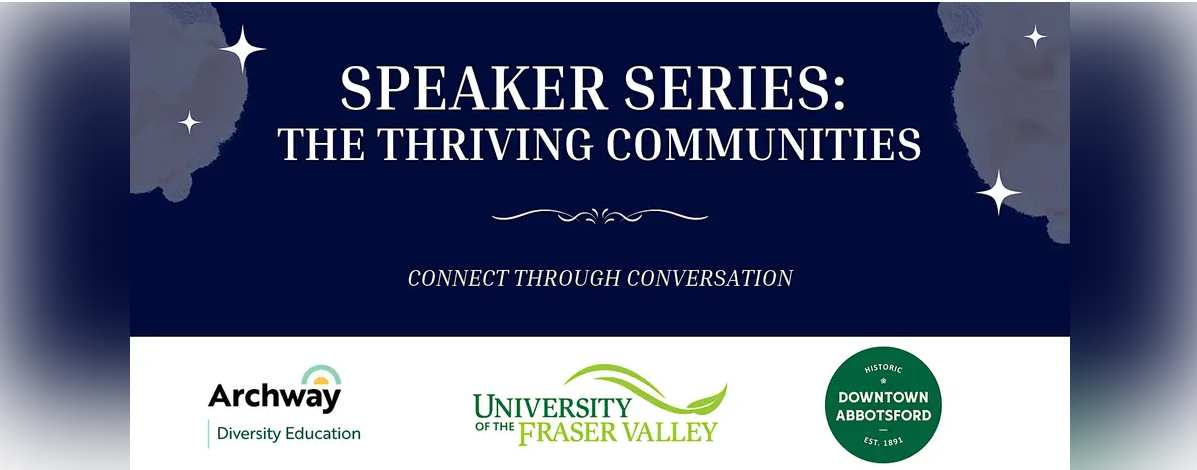
Women face barriers as search and rescue (SAR) volunteers, but there are easy fixes that can create a more welcoming environment. That’s one takeaway from Jelena Brcic’s research project, which she’ll be discussed at a national webinar from 5:30 to 6:30 pm on Monday, June 22.
In the first year of a two-year project backed by Public Safety Canada’s Search and Rescue New Initiatives Fund, the University of the Fraser Valley (UFV) professor has collected data from hundreds of SAR volunteers from across the country. She’s interviewed dozens of women, and through those discussions, she’s examined the successes, challenges, and pathways to leadership experienced by women in SAR.

Drawing on their experiences, her webinar explores how recruitment, retention, inclusion, and organizational culture can strengthen and sustain Canada’s volunteer-driven SAR community.
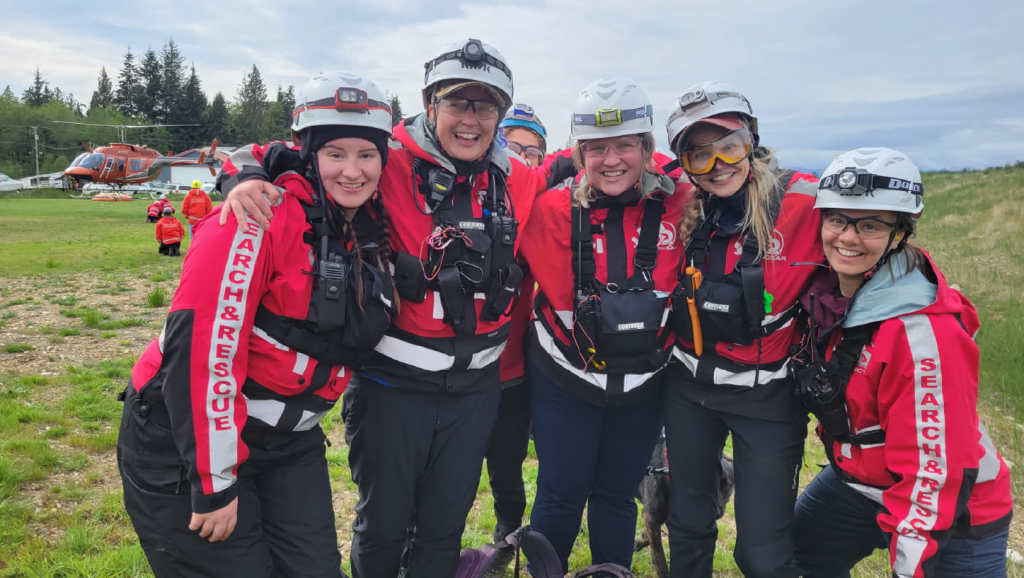
“One of the challenges that I heard frequently was equipment fit, and that’s a really easy thing to address,” Jelena explains. “Women’s bodies are different from men’s, and when you look at swift water rescue gear, a woman can’t jump in a river in a suit that doesn’t fit. Can she be lowered from a helicopter in a harness that might not cinch enough to hold her? That’s a significant barrier that isn’t always considered.”
Another major hurdle is work-life balance. Jelena repeatedly heard that SAR teams have lots of younger and older women, but there’s low representation from a large group in the middle who have children.

“This is a big barrier to overcome,” she says. “Even training happens after school when their kids are at home. A couple teams in Saskatchewan are thinking of hiring qualified babysitters to make sure women who want to can do the training. That’s such an amazing thing to do, and such an easy change that makes volunteering far more accessible for everyone, not just the women.”
While those examples are relatively easy to address, another barrier has persisted for centuries in all walks of life. Jelena asked participants whether they’d experienced gender-based discrimination, with a mixed bag of replies.
“Some of the women said no, which seems like a huge nod to how well their team or their province runs the environment,” Jelena says. “But then, some women had many stories to share with us, which highlights how different things are across the country, and how differently SAR teams can be run even within one province.”
“I see that as the biggest opportunity for growth and change.”
Jelena’s study is the first of its kind in Canada, with the webinar to be followed by a report distributed to SAR groups. Brcic hopes that the research not only sheds light on the vital contributions of women in SAR but also drives meaningful changes to support and empower all volunteers.
“The driver of that will be consistency of messaging, leadership training, and provincial support for individuals and teams,” she says. “My hope is that teams and provincial bodies enact some simple changes, while also sparking conversations about a larger cultural shift.”
Watch Jelena’s lecture here: