
New partnership with Yeditepe University brings UFV educators across the world
Internationalization is about much more than students coming to or leaving Canada — it’s about helping students, faculty, and staff develop the intercultural and global competencies they need in today’s world.
“Internationalization is my passion,” says Daryl Smith, director of UFV International. “We’re incorporating this intercultural, global, international perspective into everything we do at the institution. Connecting with other institutions to facilitate that process of internationalization for our students is the best part.”
While Daryl was visiting Türkiye last October, a Canadian trade commissioner connected him with Yeditepe University. Excited by their shared interest in Collaborative Online Intercultural Learning (COIL) and the potential for student and faculty exchange, Daryl began forging a partnership — one that’s brought Dr. Victoria Surtees and Dr. Anna Griffith 9,612 kilometres across the world to collaborate and share ideas.
COIL connects classrooms across the globe through shared experiential and applied learning, making international learning more financially accessible to those who are unable to study abroad. The visit itself was made possible by funding from Erasmus+, which extends international education and mobility funding beyond Europe. Thanks to this exciting new partnership, UFV students will have the opportunity to gain intercultural skills and connect with peers and faculty members across countries, while faculty will benefit from collaborative teaching and research.
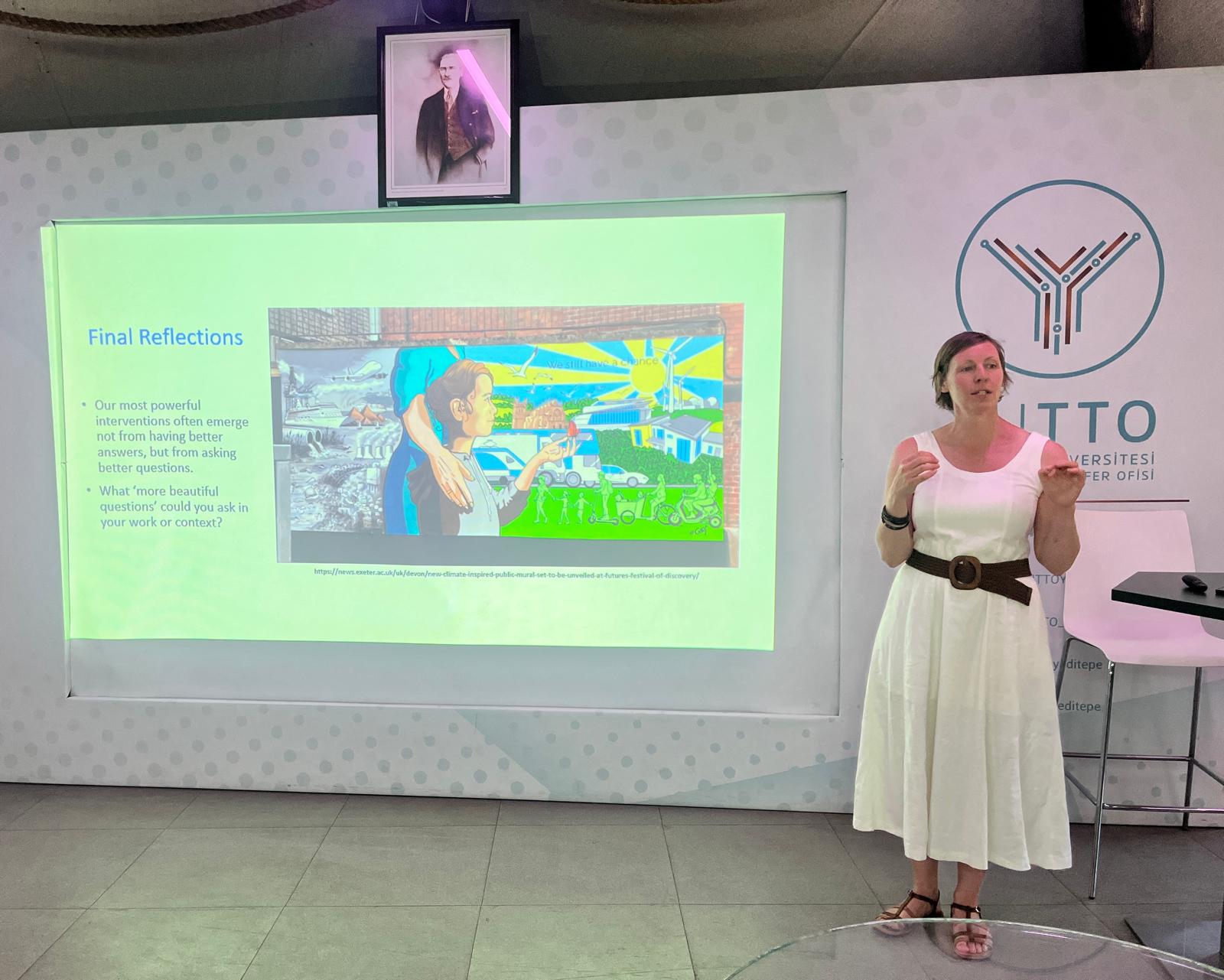
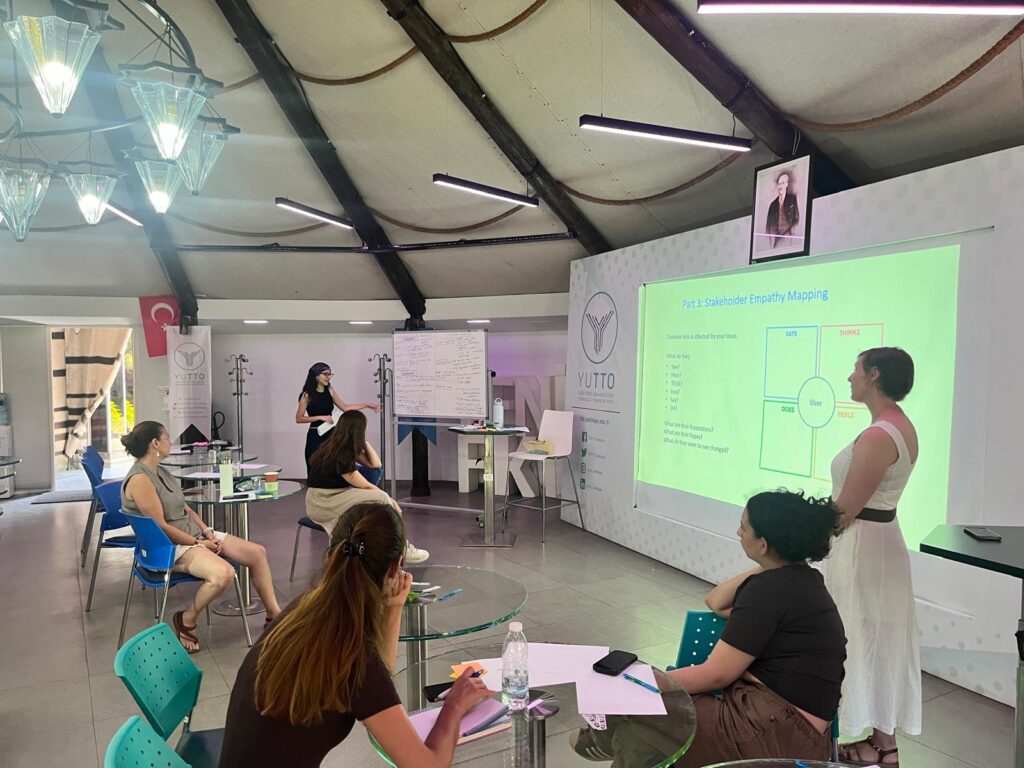
Anna, an associate professor and changemaker curriculum developer, was hosted by the multidisciplinary Design and Innovation for Sustainable Food Systems Master’s program. She brought a 3-workshop series to share with her contemporaries in Istanbul. Workshops included “Futures Literacy and Strategic Foresight,” “Interdisciplinary Social Innovation Design Lab,” and “One Health and Regenerative Design Frameworks.” These hands-on workshops were attended by Yeditepe University faculty and students as well as external guests and community partners.
Victoria, a UFV COIL facilitator and teaching and learning specialist in intercultural education, saw this trip as a valuable opportunity to experience firsthand what post-secondary education looks like in another country.
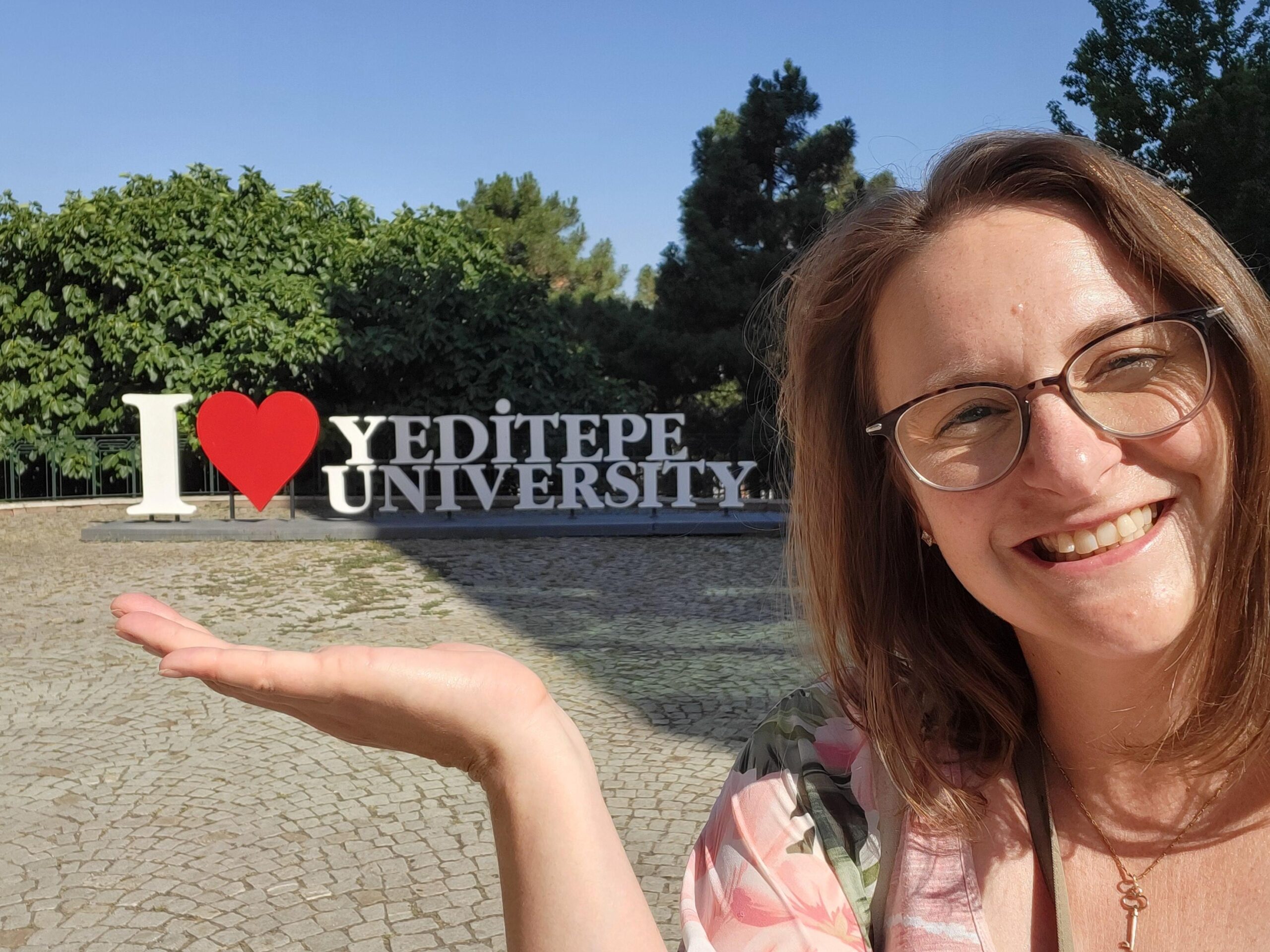
“It helps me support faculty in understanding how to work with students who come from different systems that have different priorities,” she says. “It also allows me to take inspiration from those systems and programs. For me, that was really important.”
She shared two workshops with faculty at Yeditepe University, one on COIL and one on culturally responsive teaching. COIL connects classrooms across the globe through shared experiential and applied learning, making international learning more financially accessible to those who are unable to study abroad.
“They really had a different understanding of what collaborative online intercultural learning would look like. In their minds, it was this sort of exchange of lectures — they would come and lecture in our classrooms and we would go and lecture in theirs. When I shared with them what it looked like to build a collaborative project, using examples of how it looks for students to actually collaborate and build something together for a client or a community stakeholder, they were really surprised and excited.”
Looking back on her travels, Victoria is struck by the cross-cultural similarities she discovered. “We shared so many of the same teaching and learning priorities, so many of the same interests. The conversations were so rich and it was easy to find points of synergy where we could move forward with our relationships.”
On the horizon, there are more opportunities for travel, international education, and collaborative research. Victoria urges UFV students and faculty to lean into the unexpected and go on an adventure.
“You can learn so much just by trying something new. And COIL is a great way to do that. So, connect with another faculty member and try something new and different, move out of your comfort zone a little bit. I’m already seeing COIL collaborations leading to research projects, field-study programs, and all sorts of other kinds of relationships that are really meaningful and impactful. So take the first step. It’s challenging and fun.”
To learn more about what COIL can do for you, be sure to join the COIL info session on Monday, October 5 from 12-1 pm.